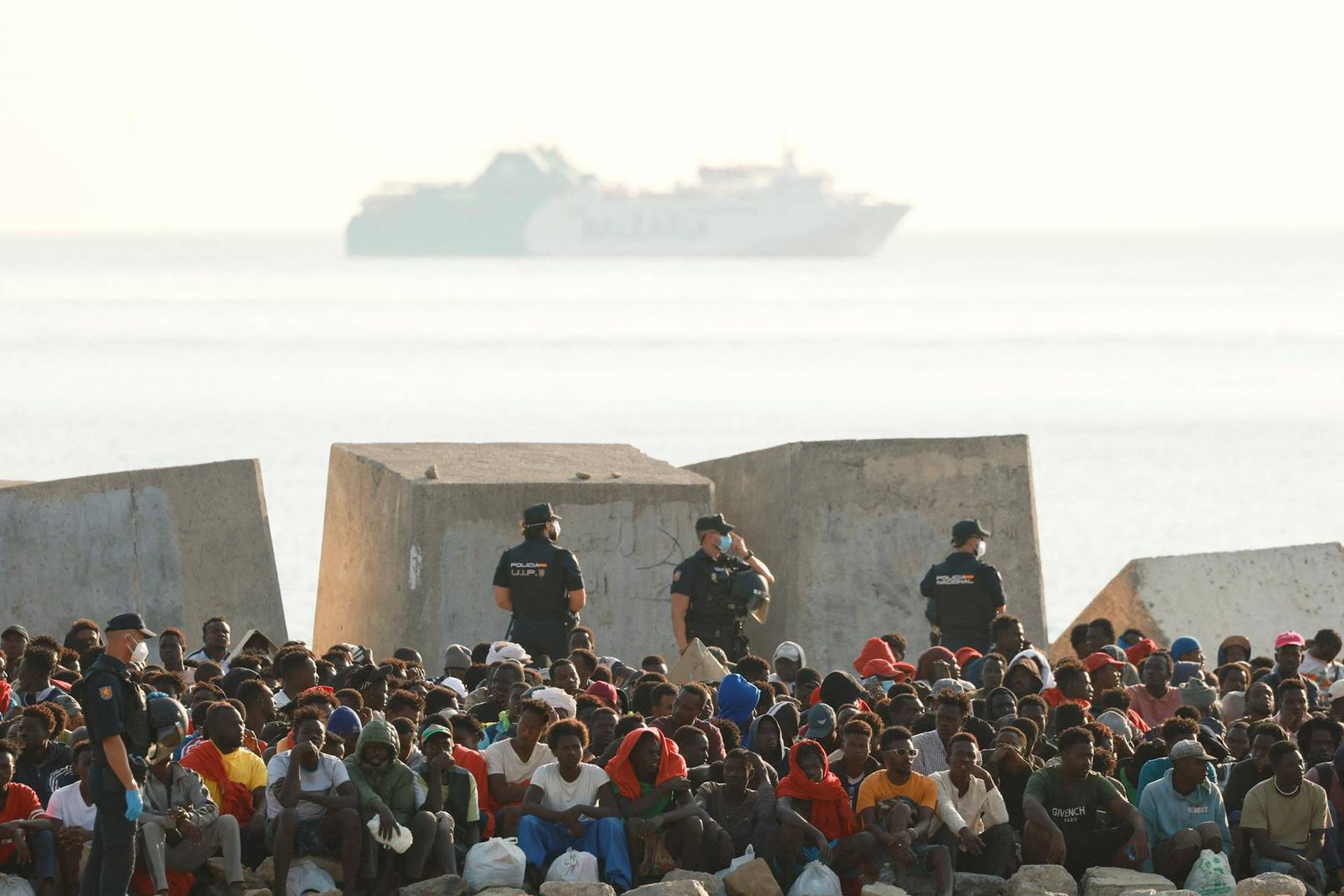
Léa, whose name has been changed, has volunteered in Ceuta since July with No Name Kitchen, which supports migrants and refugees. She told El Salto that she has watched people change over time: “As the weeks passed they transformed. It was them, but it wasn’t them anymore.” Journalist Sarah Babiker said people close to migrants in the city described intense tension and a mental health crisis.
Léa said she had not met anyone who had avoided violence or racism involving security forces or neighbours. More people are seeking mental health care, she said, while others who need support do not ask for it. The journey itself can also compound distress: trauma may occur before, during and after a border crossing, and people may have experienced war, death and hardship. The resulting risks include post-traumatic stress, depression and anxiety. Some migrants also lose access to treatment for existing mental health conditions.
Access to psychosocial care is limited, the report says. EU countries have different rules, with no common legislation on mental health care for new arrivals. Support often applies only to people granted refugee status, leaving others without care while their cases are pending for months or years. Language barriers and fear of deportation can make it harder to seek help. In Ceuta, harassment by security forces, neighbours or far-right groups can also impede access to health services.
Léa described one trip taking migrants to Médecins du Monde when authorities stopped the car and ordered its occupants out. The migrants feared deportation, she said, and faced racist remarks. Authorities refused to call the organisation to confirm the destination and instead preferred to arrest them.
The report says NGOs and mental health organisations have warned that tighter border controls, temporary reception facilities and tougher migration policies may worsen distress and make vulnerable people harder to identify. It points to services in Sweden, Ireland and Germany that offer care regardless of immigration documents, with interpreters or confidentiality protections. The podcast concludes that legal status does not end racism or discrimination, which can continue to hinder integration.
Comments (0)
No comments yet. Be the first!