For more than three decades, Moldova depended on a single source of natural gas, while most of its electricity came from a power plant fuelled by Russian gas, Junghietu told EUobserver. He said Russia had used energy as a weapon: “Whenever we tried to take pro-European political decisions, Russia cut or reduced gas supplies.” Gas contracts were often renegotiated in the final days of the year, he added, with Moldovan politicians travelling to St Petersburg or Moscow to discuss terms. Diversification efforts accelerated after Russia’s full-scale invasion of Ukraine in 2022.
Until 1 January 2025, about 70 percent of Moldova’s electricity needs were supplied by the Moldavska Kuchurgan power plant in Transnistria. When Russian gas transit through Ukraine stopped that day, the plant could no longer generate electricity. Moldova shifted to imports from Romania and Ukraine. Since then, the right bank of the Dniester has bought no commercial electricity from the plant, Junghietu said, relying instead on local generation and imports when available.
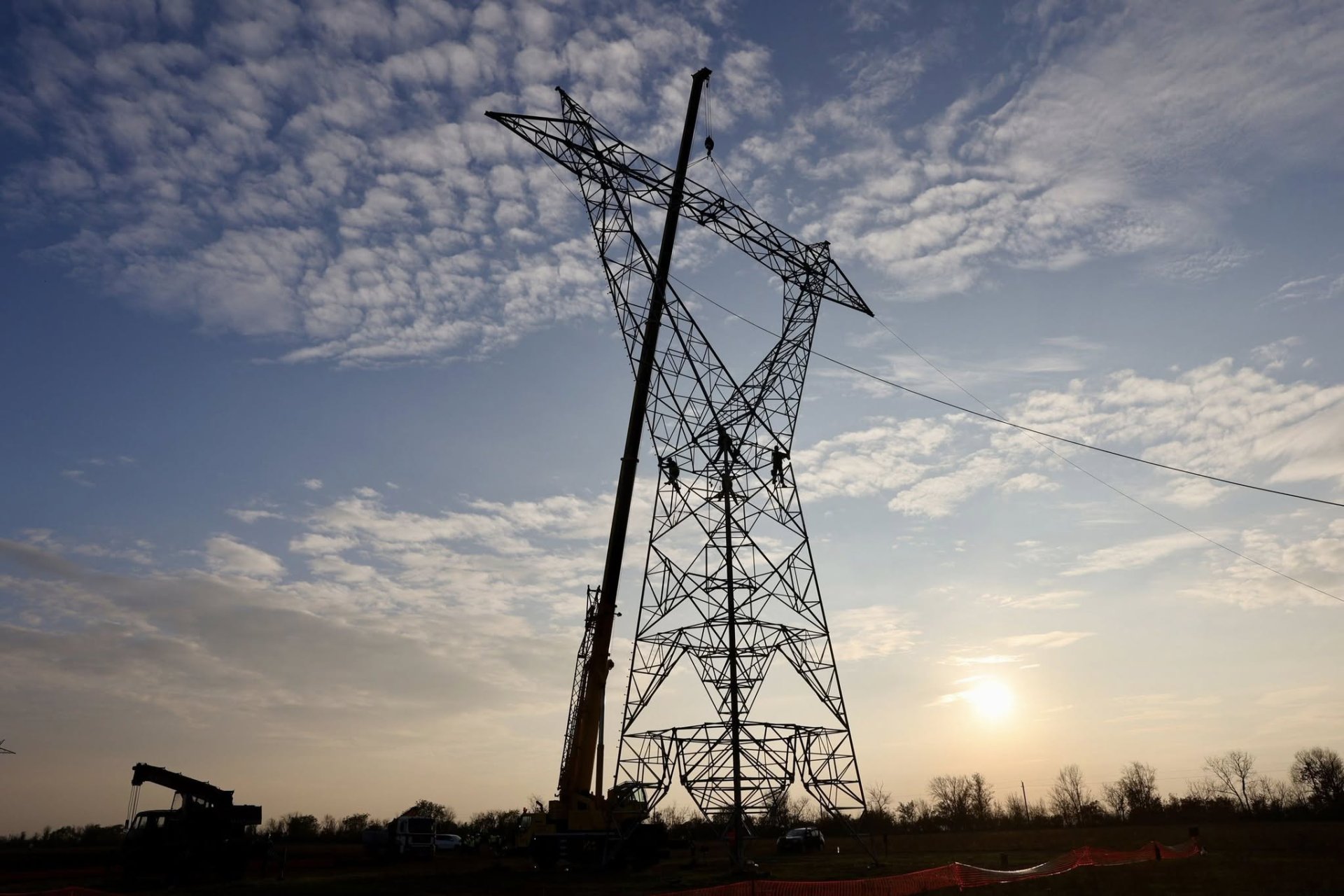
The new overhead line connects the Vulcănești and Chișinău electricity nodes without passing through the Transnistrian plant. Junghietu said Moldova’s Soviet-era network had been configured around that facility, leaving a structural vulnerability even after the country stopped buying its electricity. The existing Vulcănești–Moldavska–Chișinău line runs through the same node.
Moldova has also reduced its reliance on Russian gas through the Iași–Ungheni–Chișinău pipeline, which allows imports from Romania and access to European supplies. Last year, state-owned gas buyer Energocom had approximately 24 to 26 contracts with different suppliers. Renewable electricity capacity has expanded too: Junghietu said wind and solar capacity rose 13 to 15 times in four to five years, after private investors began focusing on the sector in 2021 and 2022.
Comments (0)
No comments yet. Be the first!