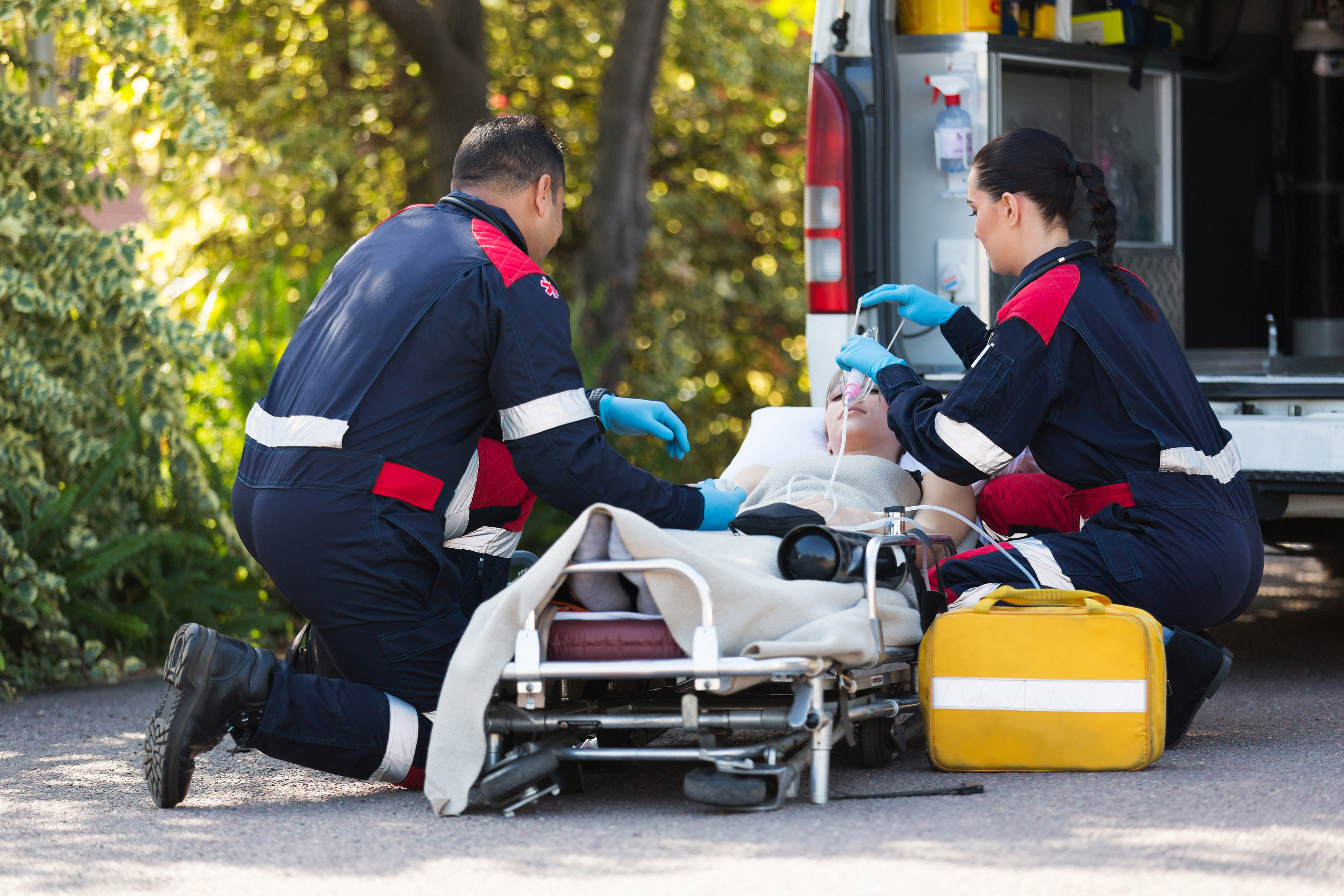
Matzigkeit asked trusted colleagues how she could contribute to clinical work quickly. They unanimously recommended EMT training. She attended classes two nights a week from 5 p.m. to 10 p.m., took weekend training shifts on ambulances and in emergency rooms, and earned national certification after about six months. She kept her leadership role quiet at first because she wanted her instructor to take her seriously. When she pressed him over an assignment that fell short of an A, he told her, “There's no valedictorian of the EMT course. You're doing great.”
After certification, she completed 100 hours of orientation and began working eight- or 12-hour shifts in her hospital's emergency department. She helped with IVs and catheters, assisted during procedures and comforted anxious parents. As a salaried employee, she received no extra pay for the shifts and regarded the work as volunteering. She aims to work one shift a month, though she does not always manage it.
The experience changed her view of communication with frontline staff. Matzigkeit had relied on email, assuming employees were reading her messages. In the emergency department, she saw that staff rarely had time to sit down and check their inboxes. The hospital introduced an internal communication tool that works like social media, sending quick updates and notifications to staff phones. She also began preparing talking points for the face-to-face huddles held at the start of shifts.
Matzigkeit said the work humbled her: she wants to become faster at procedures but recognizes that staff who do them regularly are more skilled. She said becoming an EMT also showed her she could take on a difficult goal and make a difference for both clinical staff and hospital leadership.
Comments (0)
No comments yet. Be the first!