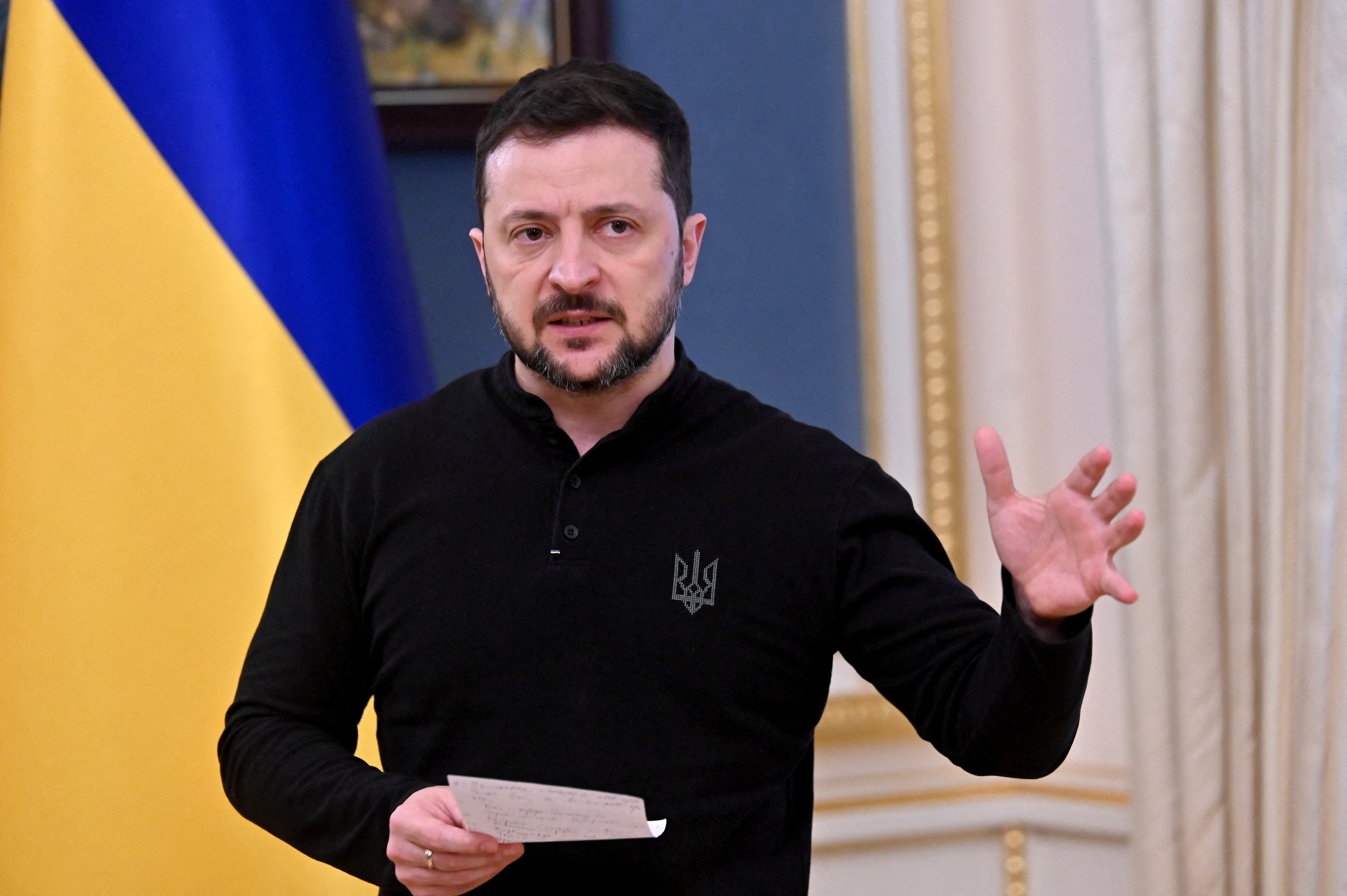
On October 12, President Volodymyr Zelensky signed a national human rights strategy that explicitly identifies LGBTI people as a vulnerable group. This move ostensibly aligns with Ukraine’s European Union integration requirements. Yet, the legislative reality tells a different story. That same day, Parliament fast-tracked a bill expanding minority language rights for education—a move triggered by Hungarian pressure—which sailed through the legislature in under two weeks. Conversely, a bill for registered partnerships has languished in committee since March 2023, and proposed amendments to the criminal code regarding hate crimes remain similarly paralyzed.
This legislative inertia has tangible consequences for the safety of citizens. Currently, Ukrainian law does not explicitly classify attacks based on sexual orientation or gender identity as hate crimes. When incidents occur—such as the harassment of activist Olena Shevchenko or the vandalism of a Kyiv salon with animal remains—police frequently categorize these acts as "hooliganism." Activists report that this classification obscures the discriminatory motives behind the violence and discourages victims from seeking justice. With Ukraine’s own self-imposed deadlines for partnership legislation already missed, the gap between state promises and the daily reality for its LGBTI population continues to widen.
Comments (0)
No comments yet. Be the first!