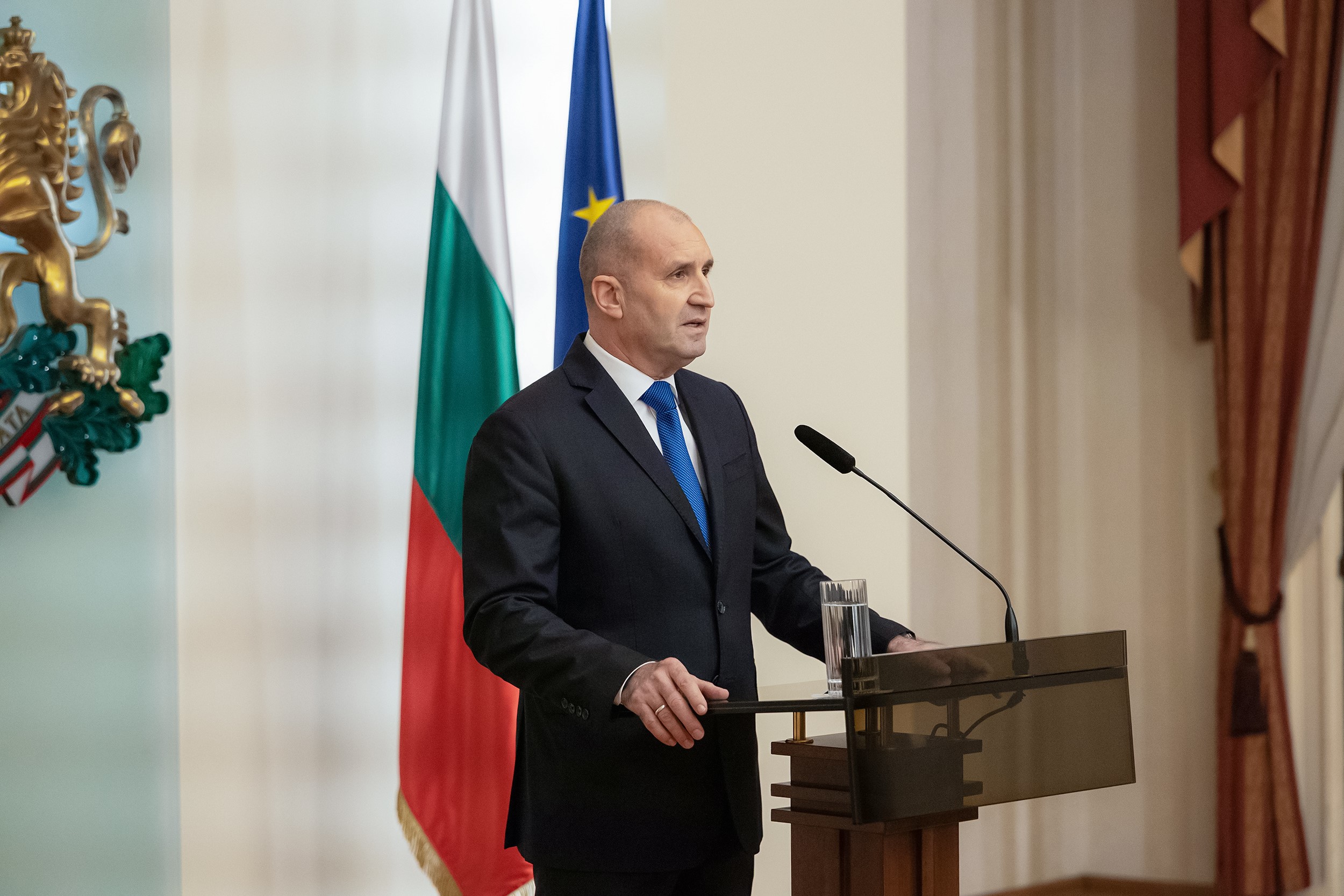
The presidency holds modest but significant powers, including the ability to veto legislation, refer laws to the Constitutional Court, and chair the Consultative Council on National Security. While an elected majority is legitimate, the constitutional danger arises when cooperation with the government evolves into an expectation of total political loyalty. An institution can retain its formal legal authorities yet lose the resolve to exercise them against its political allies.
Recent events in the Black Sea have underscored the necessity of an independent oversight role. Since early October, drone strikes on merchant ships near the Bulgarian and Romanian coasts have claimed over two dozen lives or left sailors missing. Despite the gravity of these attacks, Yotova—who assumed the presidency after Radev resigned to pursue party politics—only convened the security council after public pressure from the opposition. Similarly, her legislative record reflects a reluctance to challenge Radev’s majority, notably promulgating a 2026 budget that faced widespread criticism from trade unions and reformist parties.
The challenge for the next president is to move beyond partisan alignment. Andrey Gyurov, backed by the reformist We Continue the Change and Democratic Bulgaria, argues that the nation requires a functional counterweight to the current administration. However, true institutional independence demands a willingness to hold all political factions accountable, regardless of their origin. Whether the next leader can demand public transparency and correct state failures remains the definitive measure of Bulgaria's democratic health.
Comments (0)
No comments yet. Be the first!