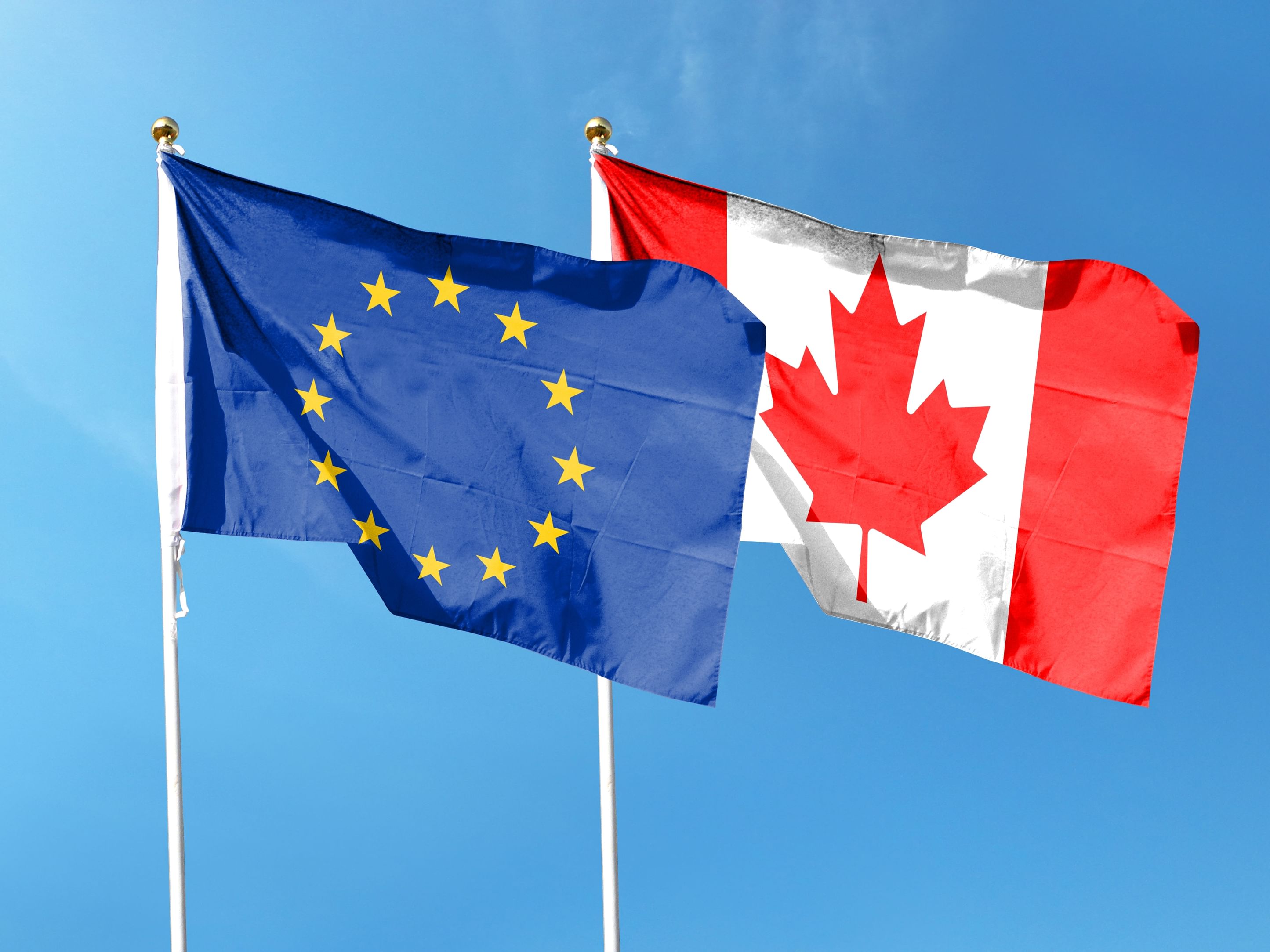
The term has become a diplomatic liability. Germany, France, Italy, and Greece recently objected to its inclusion in the summit’s joint declaration, citing a lack of formal process and the absence of such a status within existing EU treaties. Officials argue that the word “member” suggests a level of institutional integration that is geographically and legally incompatible with the bloc’s current framework.
Despite the friction, the European Commission frames the concept as a mechanism for deepened cooperation on climate, energy, AI, and security policy. Canada already participates in select initiatives like the Horizon research program and the SAFE defense instrument, leading some analysts to interpret the proposal as a symbolic gesture of solidarity amidst shifting transatlantic dynamics. Canadian leadership has largely pivoted away from the terminology, signaling a lack of genuine interest in formal association. Instead of structural changes, the summit is expected to conclude with a more traditional “alliance for the future” declaration, prioritizing consensus over the contentious membership debate.
Comments (0)
No comments yet. Be the first!