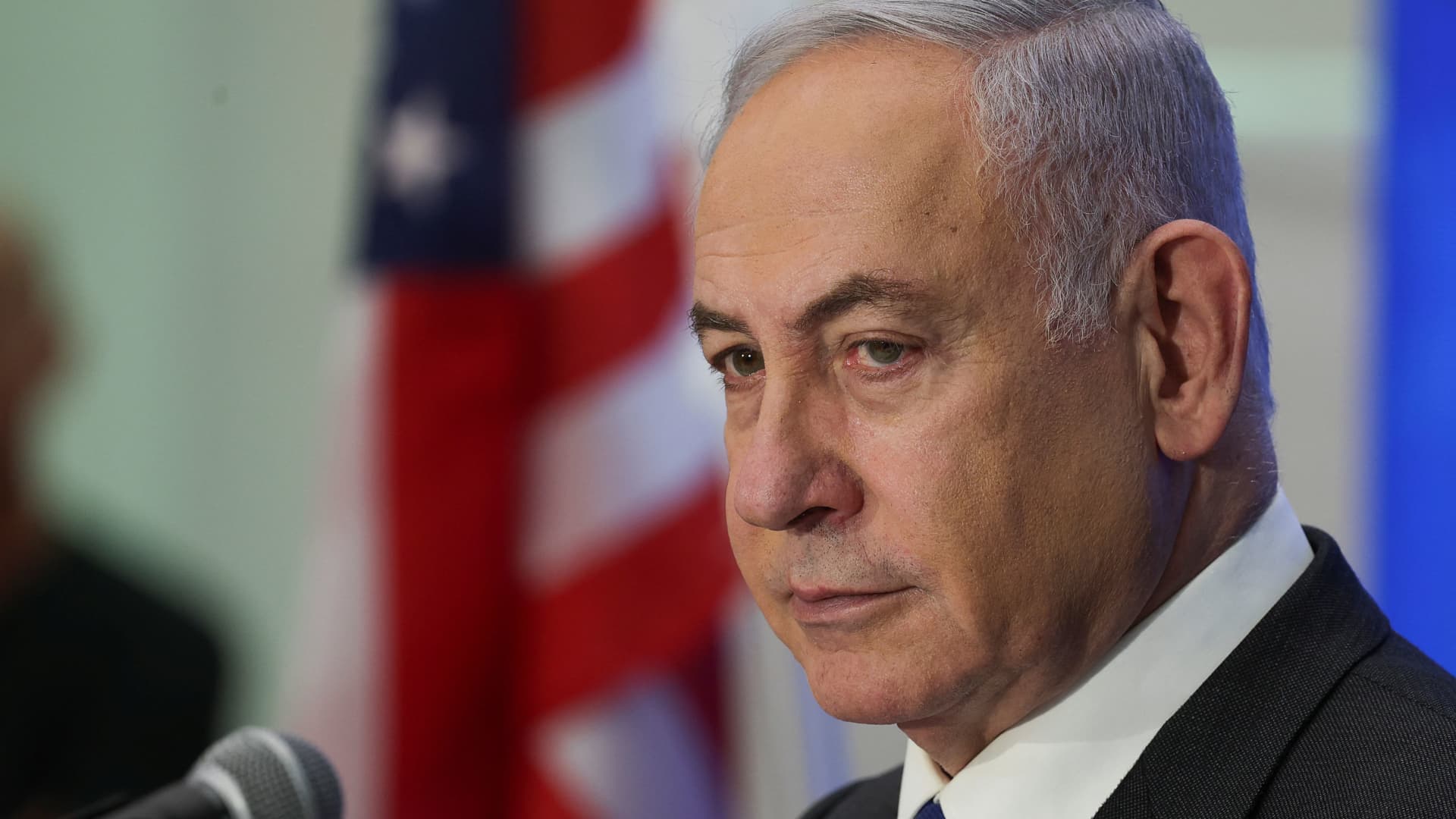
The 2021 “government of change” provides a grim blueprint for this inertia. Despite bringing together left-wing parties like Labor and Meretz to end Netanyahu’s twelve-year tenure, the coalition prioritized internal stability over ideological confrontation. Merav Michaeli, despite her public opposition to settlement expansion, found her transport ministry bound by inherited infrastructure commitments and budgets that facilitated the very growth she campaigned against. This dynamic is not an accident; it is a structural trap.
Today, the machinery of annexation is more sophisticated. Under Bezalel Smotrich’s tenure in the defense ministry, governance of the West Bank has shifted from military oversight to civilian political control. Projects like the E1 development—which threatens the territorial viability of a future Palestinian state—are moving forward with 3,401 housing units already in the tender process. These structures are designed to be permanent, leaving a successor government with the difficult task of active reversal rather than mere passive opposition.
For a new coalition to succeed, it must move beyond vague promises and embed specific anti-annexation commitments into formal coalition agreements before taking power. Without such leverage, potential partners risk becoming unwitting participants in the consolidation of a single, undemocratic state. International partners, including European governments, must also stop assuming a change in leadership equates to a change in policy. They must demand transparent supply chains that distinguish between Israel and the settlements, forcing a clear break from the current trajectory before the reality on the ground becomes irreversible.
Comments (0)
No comments yet. Be the first!