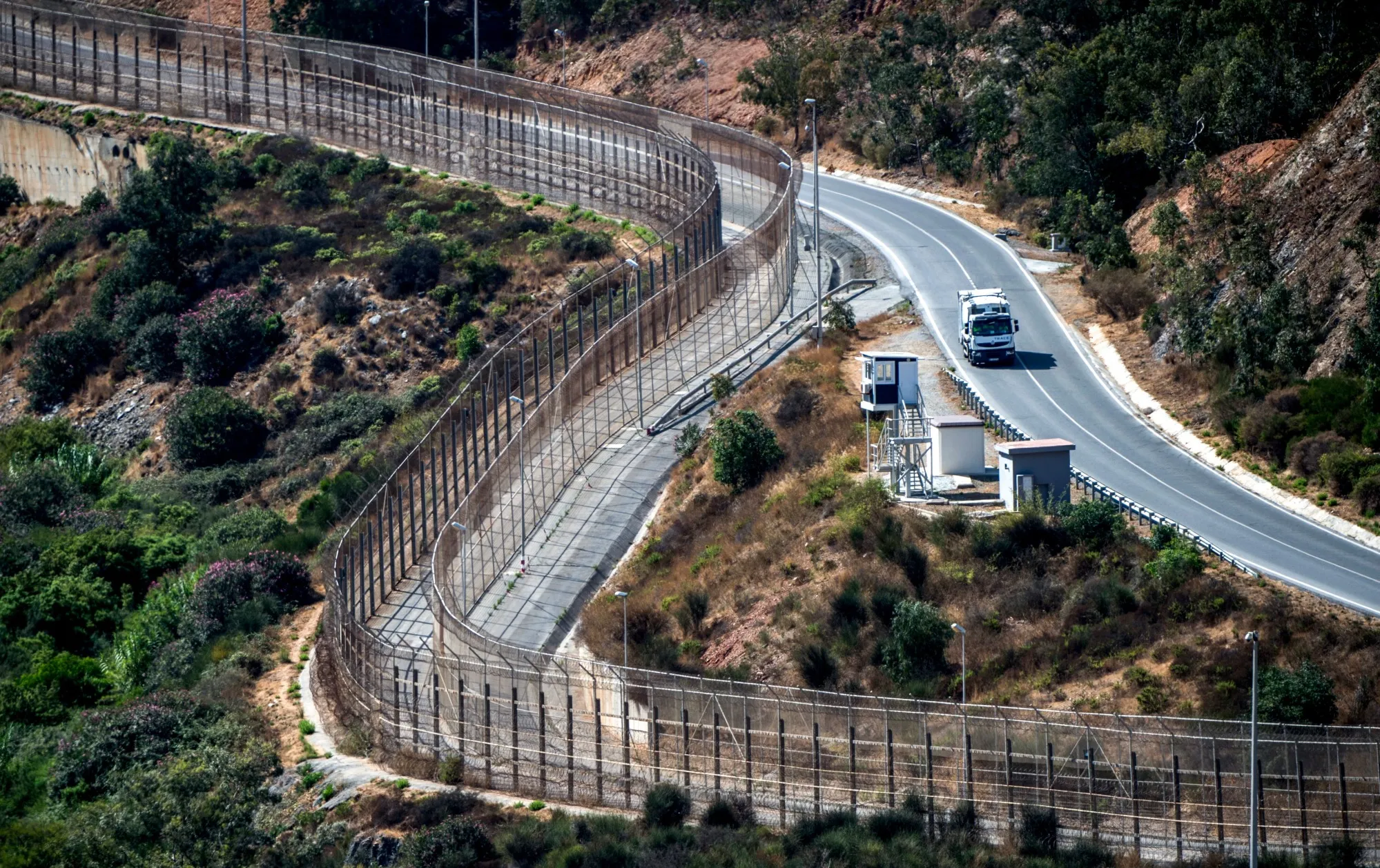
The scale of the July influx was unprecedented, with an estimated 80,000 individuals reaching the territory in under 24 hours. While the majority have since returned to Morocco, Ceuta’s president estimates that between 3,000 and 5,000 migrants remain in the enclave. Among them, roughly 860 are unaccompanied minors, far exceeding the capacity of local facilities designed to house only 29 people. To mitigate this, the Spanish government has authorized the transfer of 500 minors to the mainland to ensure they receive appropriate protection.
Returning these individuals is not a simple administrative task. Spanish law requires a case-by-case evaluation and allows migrants to appeal return decisions, a process that inherently slows down departures. Furthermore, the legal threshold for returning minors is significantly higher, as authorities must prioritize the "best interests of the child," often necessitating the identification of parents in their home country before any move can be made. These procedural hurdles persist despite Morocco’s stated readiness to accept its nationals and the European Commission’s push for swift removals.
Spain has formally requested EU assistance to secure the border and manage the ongoing humanitarian pressure. The crisis has exacerbated existing political friction between Spain and Morocco, while simultaneously intensifying the broader debate over migration policy across the European Union.
Comments (0)
No comments yet. Be the first!