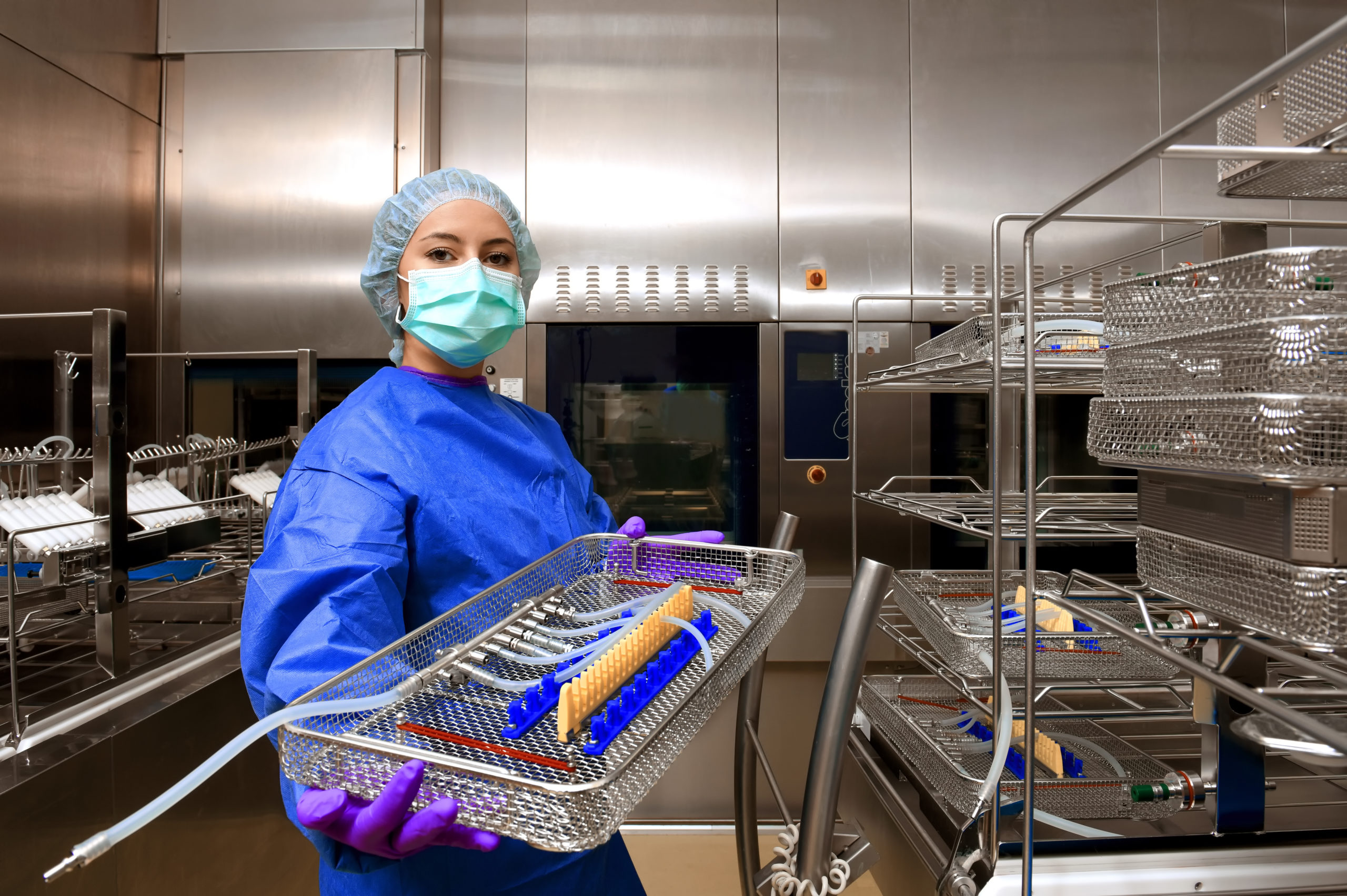
Burnout in high school pushed Slack away from the traditional university track. After struggling with the crushing pressure of honors classes, she pivoted to an 18-month surgical technology program. The $23,000 tuition was a gamble she funded alone after her parents refused to cosign loans, yet the hands-on curriculum provided a clarity that academic theory never offered. By the time her peers were finishing their undergraduate studies, Slack was already established in her field, earning a paycheck and gaining the practical experience that would eventually lead to a stable role in a major Southern California hospital system.
Her daily life is demanding, often involving 12-hour shifts and the intense pressure of back-to-back surgeries. However, the work requires a level of human intuition—anticipating a surgeon's needs, reading the room, and identifying critical shifts in an operating environment—that transcends simple data processing. While she once felt embarrassed about her educational background, she now recognizes that her specialized, manual expertise offers a level of job security that many office-based roles lack. Free from the burden of long-term student debt and equipped with a pension, Slack sees her decision as a calculated, successful investment in a future where human presence remains an essential component of healthcare.
Comments (0)
No comments yet. Be the first!