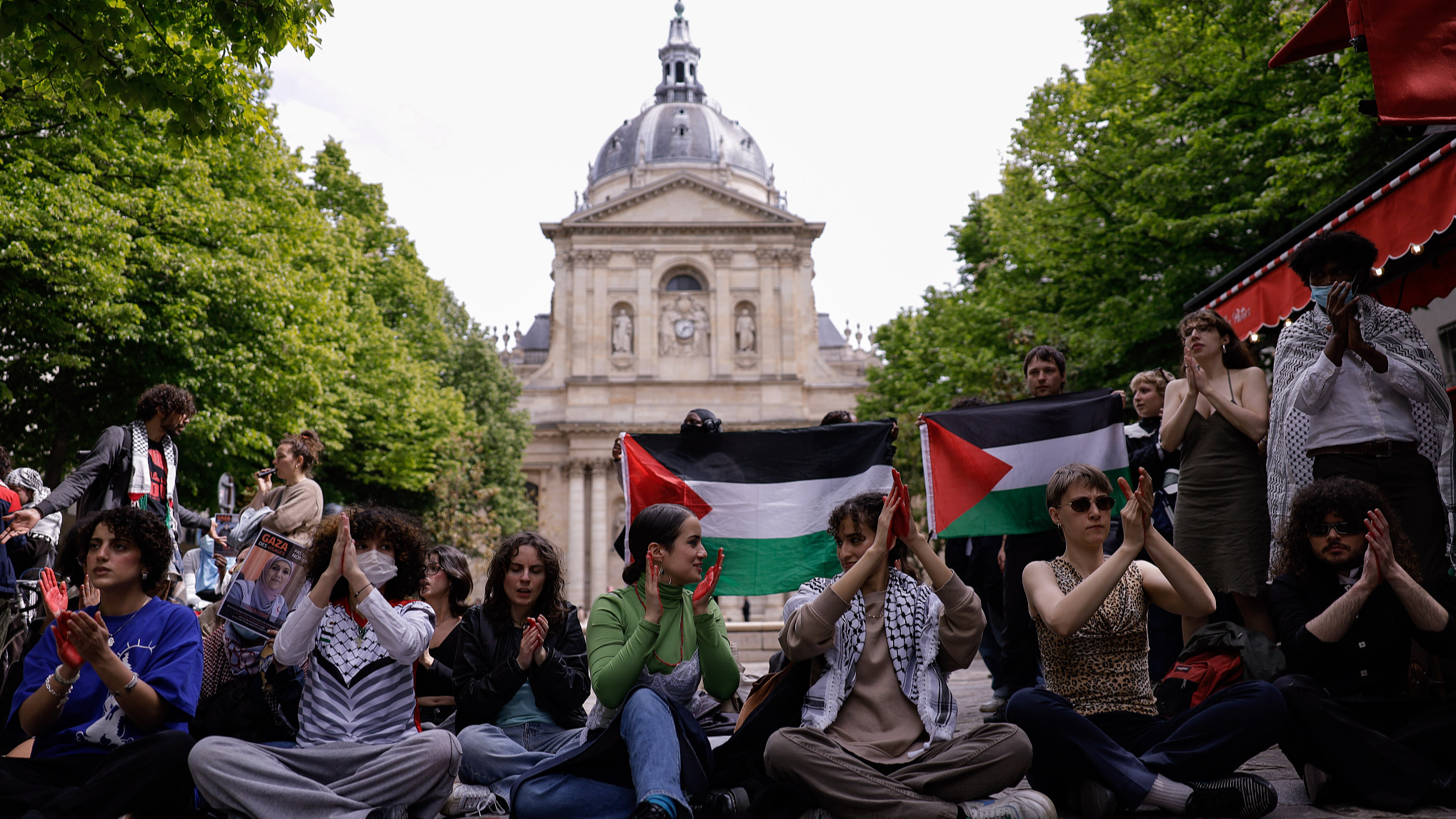
The unrest, which began in suburban schools over crumbling infrastructure and teacher shortages, has evolved into a broader movement encompassing elite institutions and trade unions. While the government attempts to frame the disruption as the work of far-left agitators, the reality is a grassroots reaction to a state struggling under a 117 percent debt-to-GDP ratio and a fragile political establishment. The participation of students from prestigious lycées, such as Henri-IV, underscores a shared recognition that the republic’s promise of equality is failing to reach the next generation.
Historically, the French education system served as the bedrock of citizenship, yet today’s students see a state that is increasingly unable to deliver on its public service mandates. This frustration is amplified by the looming presidential elections and a polarized political climate where extremist camps are gaining ground. Unlike previous labor-led strikes, this mobilization is driven by youth who, despite lacking the right to vote, possess the organizational capacity to challenge the government’s narrative. As the prospect of further violence remains a concern, the central question is whether the current administration can offer concrete structural reforms or if the country is destined to remain in a state of chronic, unresolved friction.
Comments (0)
No comments yet. Be the first!