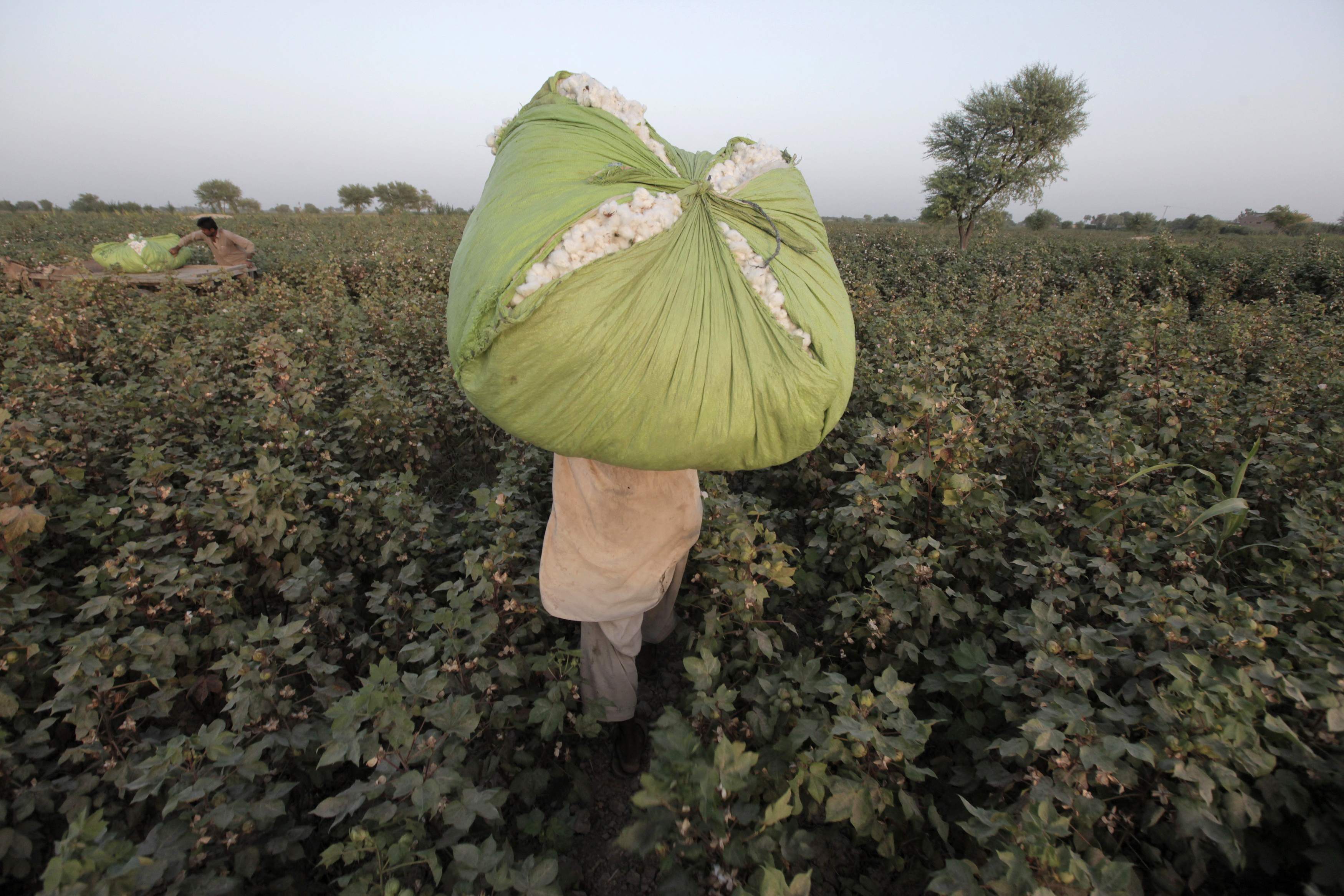
In the fertile Matiari District of Sindh, laborers like 50-year-old Guddi pick cotton to pay off inflated debts to feudal landlords, a cycle of servitude that consumes entire generations. Her children, like millions of others in Pakistan, are kept out of school to contribute to the family’s survival. While these raw fibers eventually reach European factories and store shelves, the path from farm to fabric remains opaque. Major retailers such as Zara, H&M, and C&A emphasize their commitment to sustainability, yet they acknowledge that their oversight rarely extends beyond the spinning mills to the actual cotton farms where exploitation is most severe.
Industry lobbyists have successfully opposed mandatory farm-to-factory traceability, arguing that mapping complex global supply chains is technically unfeasible. Instead, brands rely on third-party auditing systems like Better Cotton, which critics describe as a superficial safeguard. Because these programs often blend certified and uncertified cotton, retailers cannot guarantee that their products are free from child or forced labor. As EU lawmakers postpone enforcement timelines and scale back corporate due diligence requirements, the burden of proof for human rights violations remains squarely on the shoulders of the victims, who lack the resources and legal standing to challenge the world’s largest fashion houses.
Comments (0)
No comments yet. Be the first!