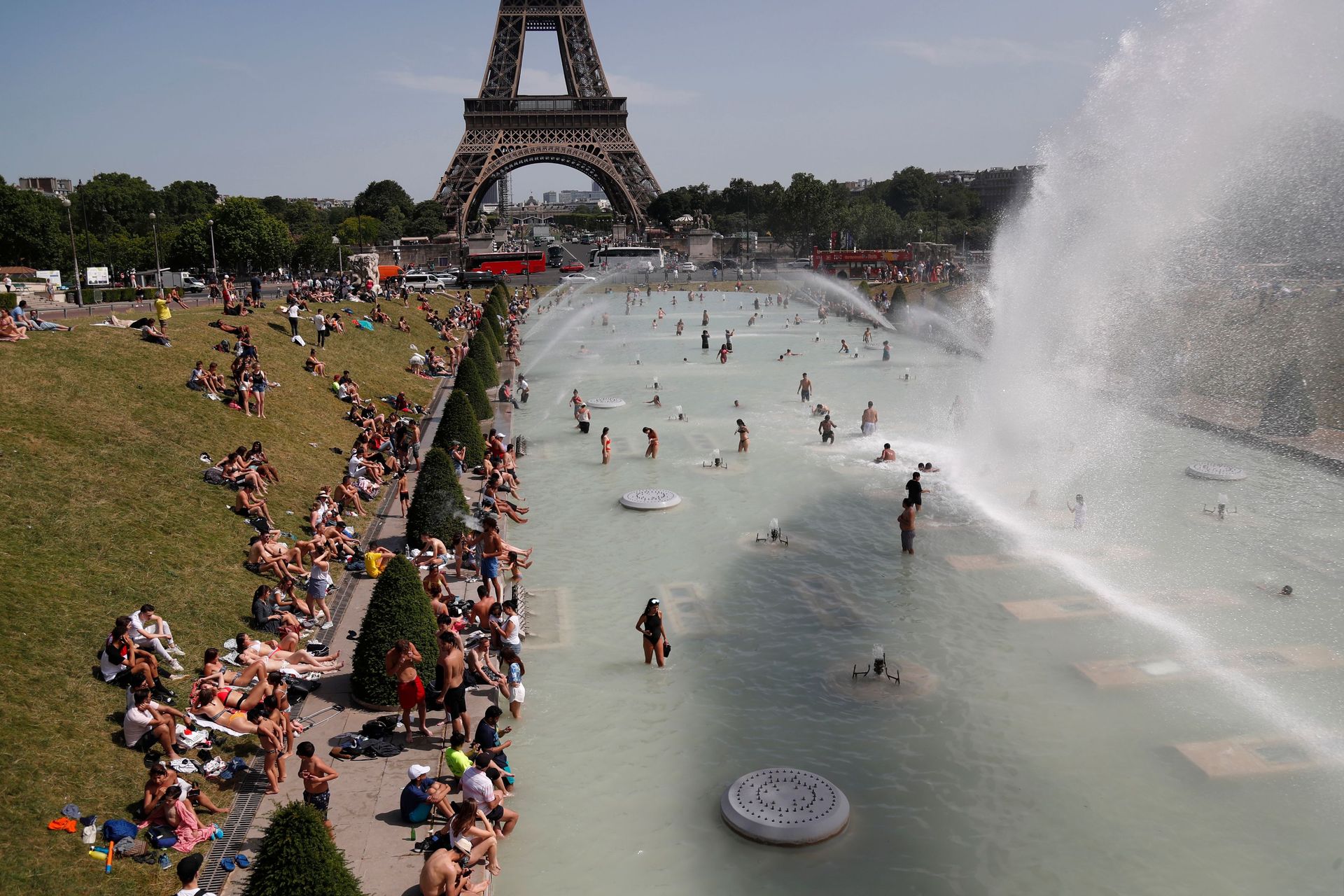
While global temperatures have risen by 1.4°C since pre-industrial times, Europe has surged by 2.4°C. This rapid warming has forced nuclear plants to throttle production to avoid overheating rivers and pushed healthcare systems to the brink. Despite lessons learned from the 2003 heatwave that claimed 70,000 lives, current mitigation strategies—ranging from urban greening to early warning systems—struggle to scale against the sheer velocity of climate change.
The limits of urban adaptation
Cities like Paris and Madrid are rolling out "cool islands" and oasis points, but deep structural hurdles remain. Urban density makes the expansion of green spaces a zero-sum game against housing and essential infrastructure. Furthermore, the push for air conditioning creates a dangerous feedback loop; as households install units to escape the heat, the exhaust pumps more warmth into city streets, exacerbating the urban heat island effect for those unable to afford cooling.
Economic inequality defines the current crisis, splitting the population between those who can retreat to climate-controlled offices and the millions of outdoor workers in agriculture and construction. Experts warn that adaptation is not a panacea. The European Environment Agency projects that insulating the continent’s economy against these extremes will require annual investments of up to €173 billion by the end of the century. As Sonia Seneviratne of ETH Zurich notes, society is nearing the physical and financial limits of what can be managed through adaptation alone.
Comments (0)
No comments yet. Be the first!