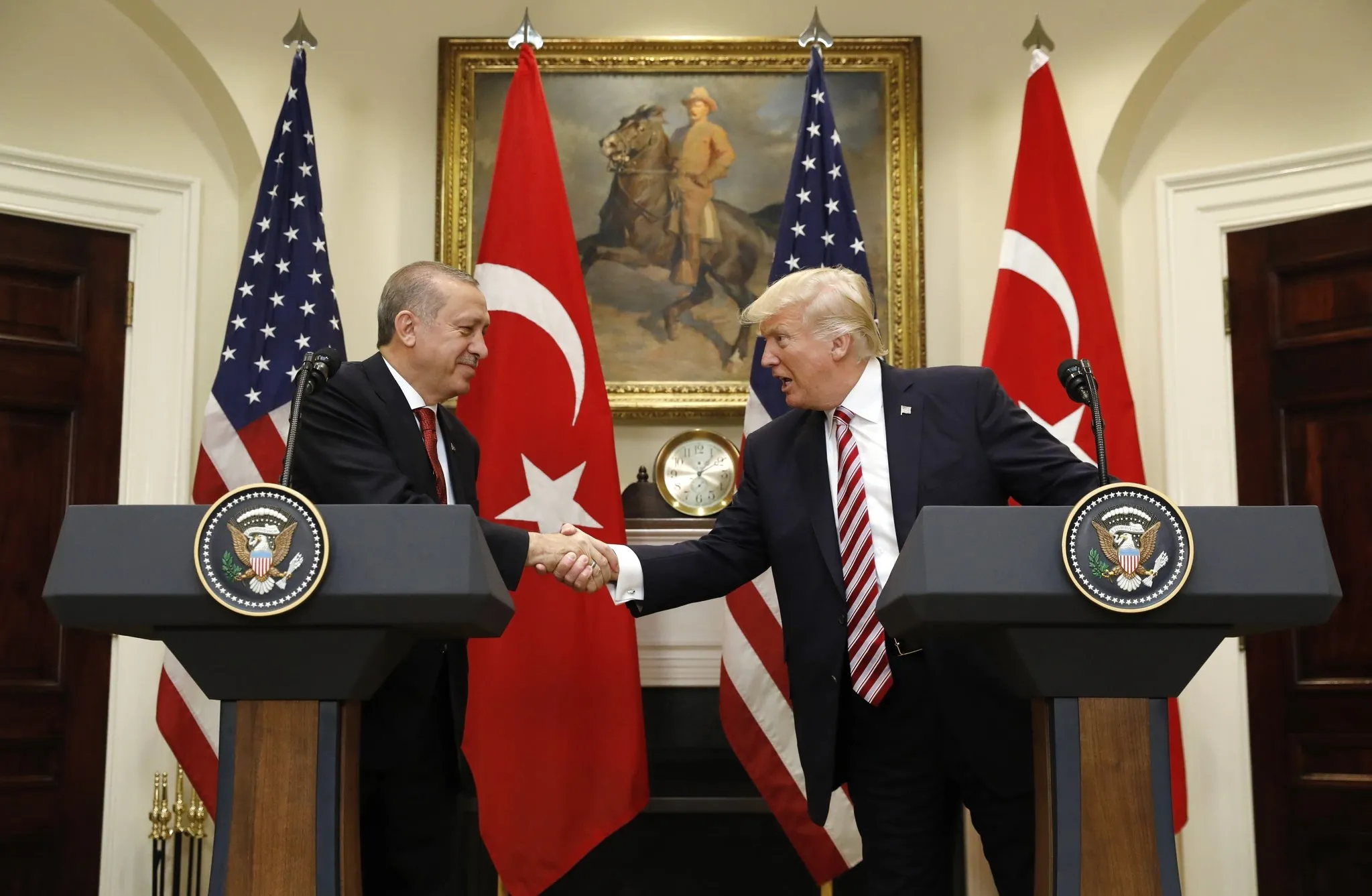
The summit concluded with a six-point declaration reaffirming Article 5 and pledging $70 billion in annual support for Ukraine. Behind this facade of cohesion, Secretary-General Mark Rutte pushed a "Made in NATO" industrial strategy to synchronize defense production. However, this vision faces friction from the European Union’s own efforts to prioritize internal procurement, exemplified by the €150 billion Security Action for Europe program. Analysts remain skeptical that these overlapping initiatives can satisfy both U.S. demands for burden-sharing and European desires for domestic industrial growth.
Scaling for the Future
Financial commitments are mounting rapidly, with $50 billion in new defense deals announced at the NATO Industry Forum, including a $5 billion investment in Swedish-made early warning aircraft. Despite these figures, the primary hurdle is a systemic lack of manufacturing capacity on both sides of the Atlantic. Projections suggest European allies and Canada must invest an additional $258 billion through 2026 to meet targets, raising difficult questions about fiscal trade-offs. As larger economies like France and Italy navigate the path to 3.5% GDP spending, the alliance must pivot from mere financial pledges to the tangible acquisition of strategic enablers, including long-range artillery and satellite intelligence, before the upcoming U.S. force posture review tests the durability of this newfound alignment.
Comments (0)
No comments yet. Be the first!