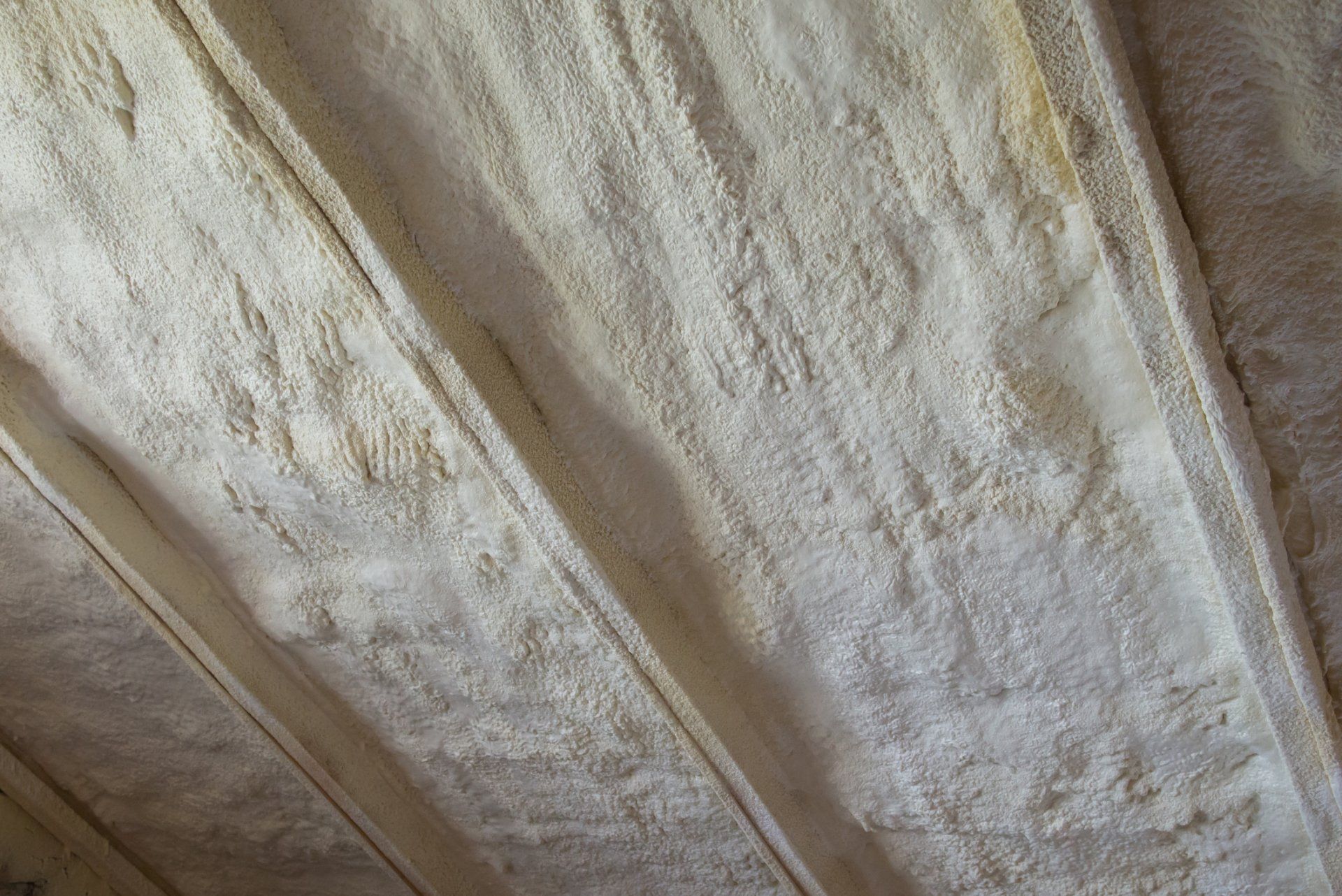
The European Court of Auditors reports that the Recovery and Resilience Facility, which mandates that 37 percent of funds be directed toward climate objectives, is missing its mark. Member states are funneling resources into superficial projects like installing solar panels or replacing windows, while ignoring "deep renovations"—such as full building insulation—which could slash energy consumption by over 60 percent.
Data from the audit reveals a lack of oversight: out of 111 examined renovation schemes, only three included specific energy-saving targets. Governments are currently prioritizing the number of square meters refurbished rather than the actual carbon impact. This approach not only wastes capital but threatens future decarbonization efforts, as minor, non-integrated upgrades often make comprehensive, long-term retrofitting more difficult and expensive to execute later.
With residential buildings accounting for roughly one-quarter of the continent's total energy demand and three-quarters of the stock remaining poorly insulated, the stakes are high. As the European Commission prepares to allocate funds for the 2028–2034 period, the findings suggest a need for a fundamental shift in strategy. Without a pivot toward result-based funding and rigorous measurement of actual energy performance, the continent risks squandering its best opportunity to meet long-term climate targets.
Comments (0)
No comments yet. Be the first!