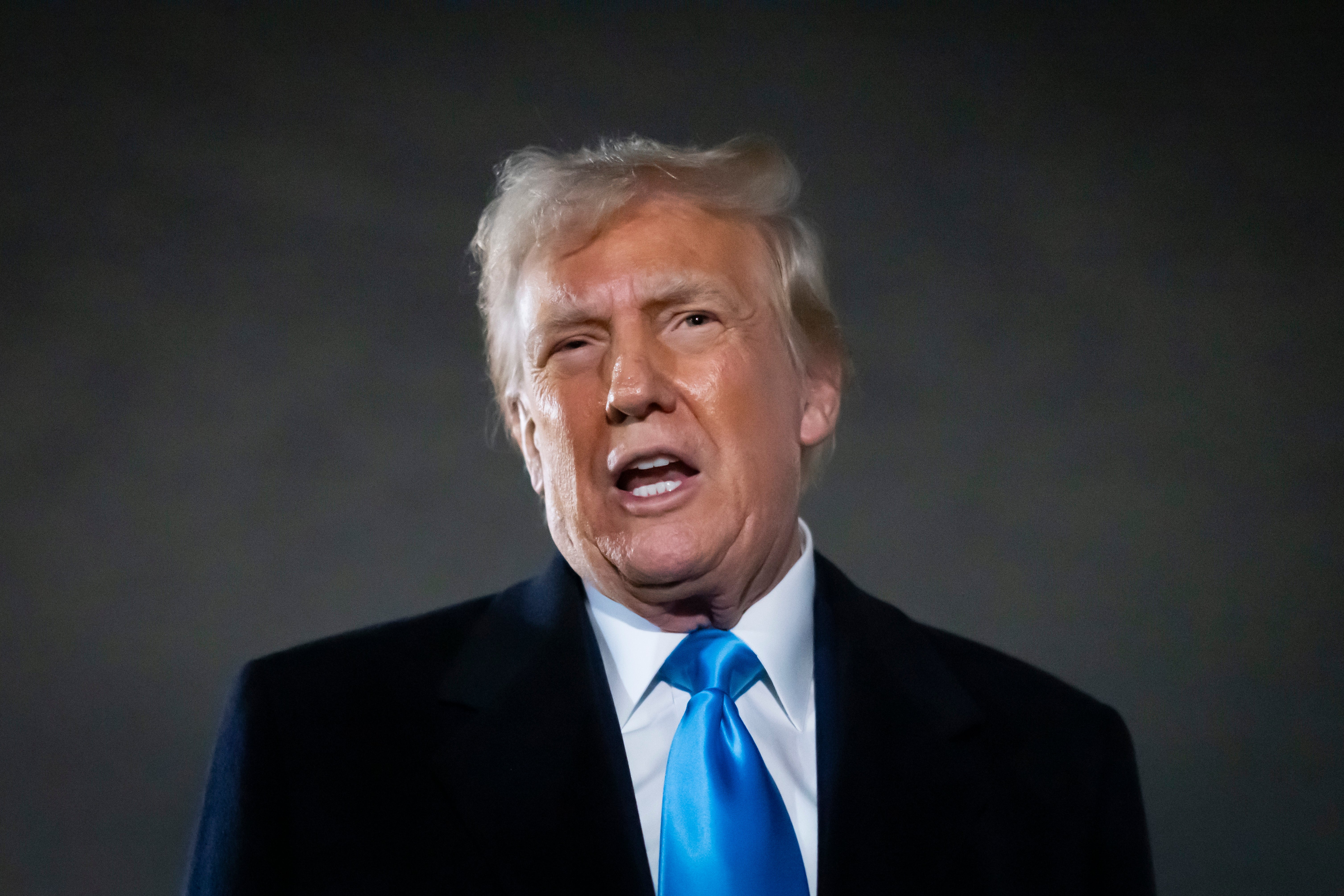
In Libya, the momentum toward a unified government—marked by a rare joint budget and a roadmap for February elections—is no longer a product of European diplomacy. Instead, it is being steered by Massad Boulos, Donald Trump’s Africa envoy. The proposed settlement seeks to balance power between Tripoli’s Prime Minister Abdel Hamid Dbeibah and Saddam Haftar, the son of eastern commander Khalifa Haftar. By bypassing United Nations frameworks, the U.S. aims to secure unfettered access to Libyan oil and potentially establish a permanent base for AFRICOM, particularly after the U.S. military’s forced withdrawal from Niger in 2024.
The U.S. strategy extends well beyond Libya. In the Horn of Africa, Somaliland has dangled the prospect of a military base in exchange for recognition of its statehood. Meanwhile, in Morocco, the U.S. Senate Armed Services Committee is moving to codify a 10-year military roadmap, cementing Rabat’s status as a primary regional partner. This shift builds upon Washington’s earlier recognition of Moroccan sovereignty over Western Sahara—a move that eventually forced France, Spain, and the wider EU to align their own policies to avoid losing relevance. As the Pentagon increases its footprint through initiatives like the Flintlock 26 maneuvers in Sirte, European officials find themselves relegated to the sidelines, struggling to maintain influence in a theater where they once held the primary diplomatic mandate.
Comments (0)
No comments yet. Be the first!