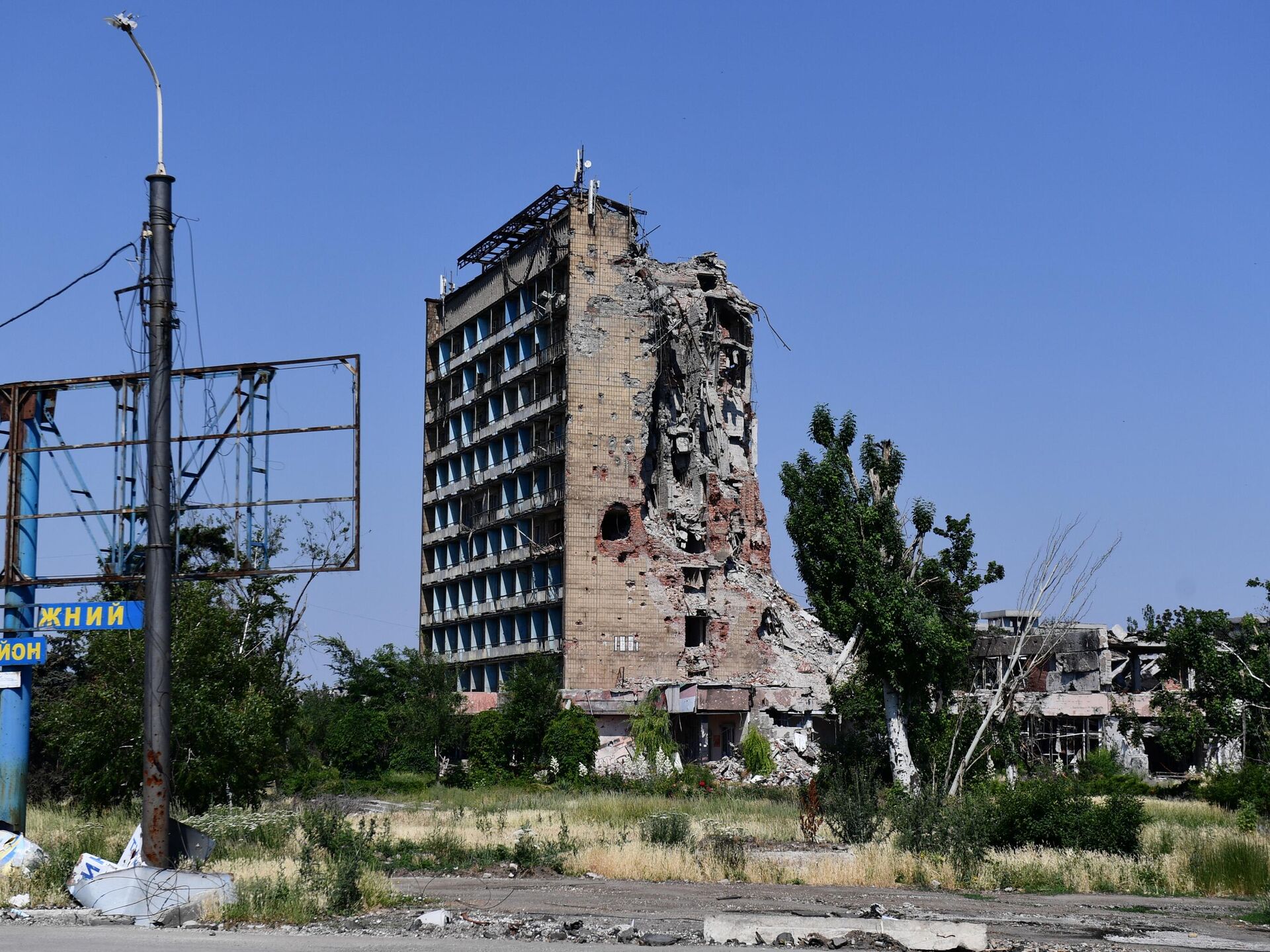
Human Rights Watch reports that Russian authorities in occupied regions are exploiting local legal frameworks to seize private property. By labeling residences as "ownerless," the occupation administration transfers them into municipal ownership through specialized courts. These properties are subsequently redistributed to new residents, often those holding Russian passports. This process effectively weaponizes housing law, as registration under Russian jurisdiction is required to prevent seizure, yet obtaining that registration is impossible for most displaced Ukrainians without first acquiring Russian citizenship.
Even for those attempting to navigate the system remotely, the barriers remain insurmountable. Authorities frequently reject powers of attorney issued abroad, forcing owners to appear in person. For those who attempt the journey, the path is restricted to transit through Moscow’s Sheremetyevo Airport. There, Ukrainians face "filtration" procedures—intrusive interrogations and device inspections—where many are denied entry and banned from Russia for up to 50 years. Court records show that judges routinely ignore evidence of ownership, such as active utility payments or the presence of tenants, prioritizing the lack of Russian registration as the sole justification for expropriation. With recent legislative amendments further tightening these controls, the path to reclaiming lost property now relies heavily on international mechanisms like the Council of Europe’s Register of Damage for Ukraine, as displaced families face the permanent loss of their assets.
Comments (0)
No comments yet. Be the first!