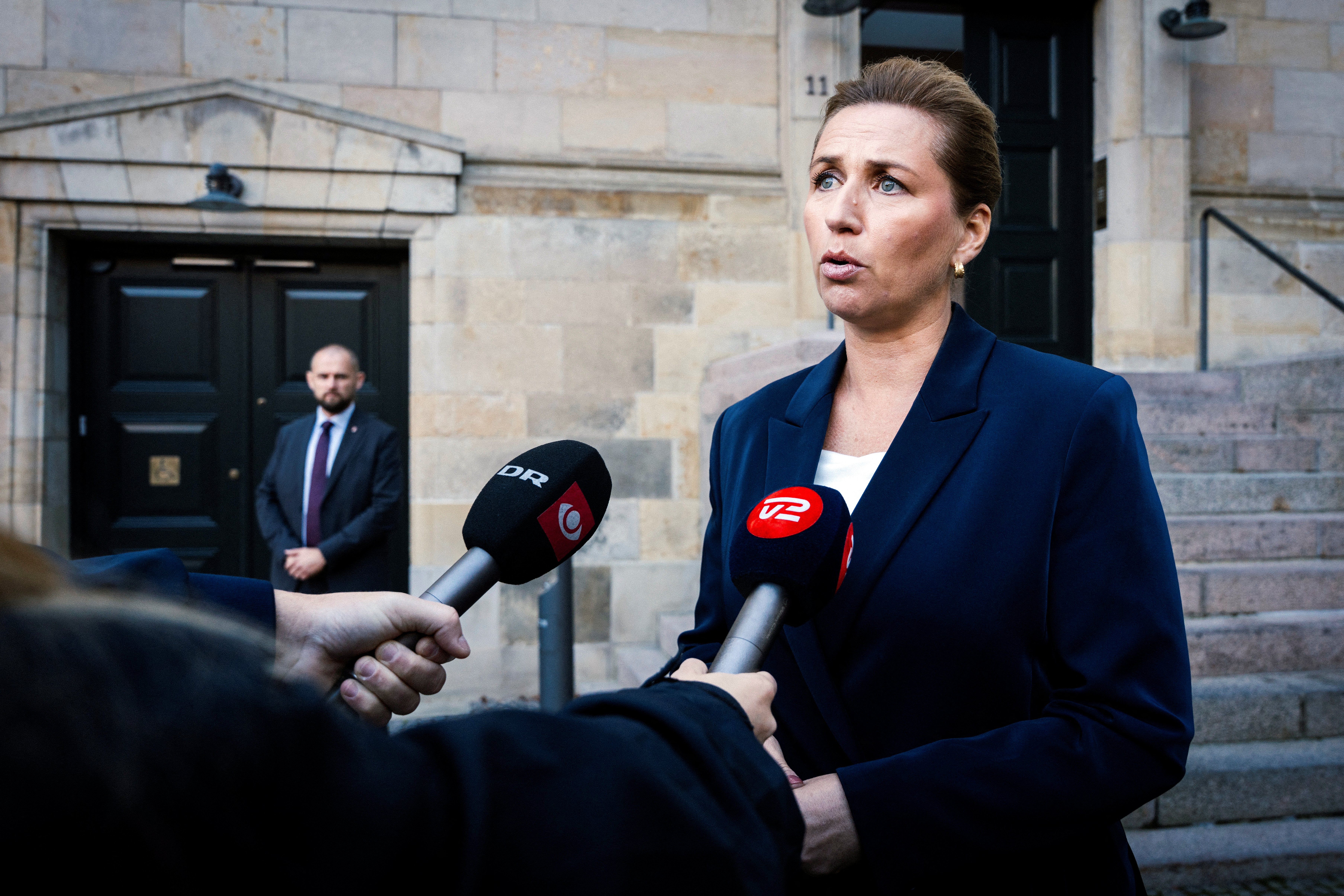
Born into a family of union activists in Denmark’s industrial heartland, Frederiksen displayed a penchant for public life long before entering parliament. Her brother, Per Frederiksen, recalls a childhood where his sister bypassed games for political discourse, famously declaring at age seven that her future lay in governance rather than journalism. This early zeal manifested in grassroots activism, from animal welfare campaigns to joining the African National Congress at twelve, eventually leading her to a year in Kenya at eighteen.
Her trajectory toward the premiership was marked by a relentless, often polarizing, ambition. While critics label her as power-hungry, supporters point to her grounded connection with voters. In her native Aalborg, she remains simply Mette, a leader capable of spending hours in casual conversation with citizens. This public accessibility contrasts with her assertive, bulldog-like approach to international policy. Since becoming prime minister, she has navigated the complexities of the war in Ukraine and resisted the influence of populist strongmen, positioning herself alongside German leaders as a pillar of European resilience. Her evolution from a conventional left-wing activist to a pragmatic, occasionally controversial, head of state defines her distinctive, if complex, political legacy.
Comments (0)
No comments yet. Be the first!