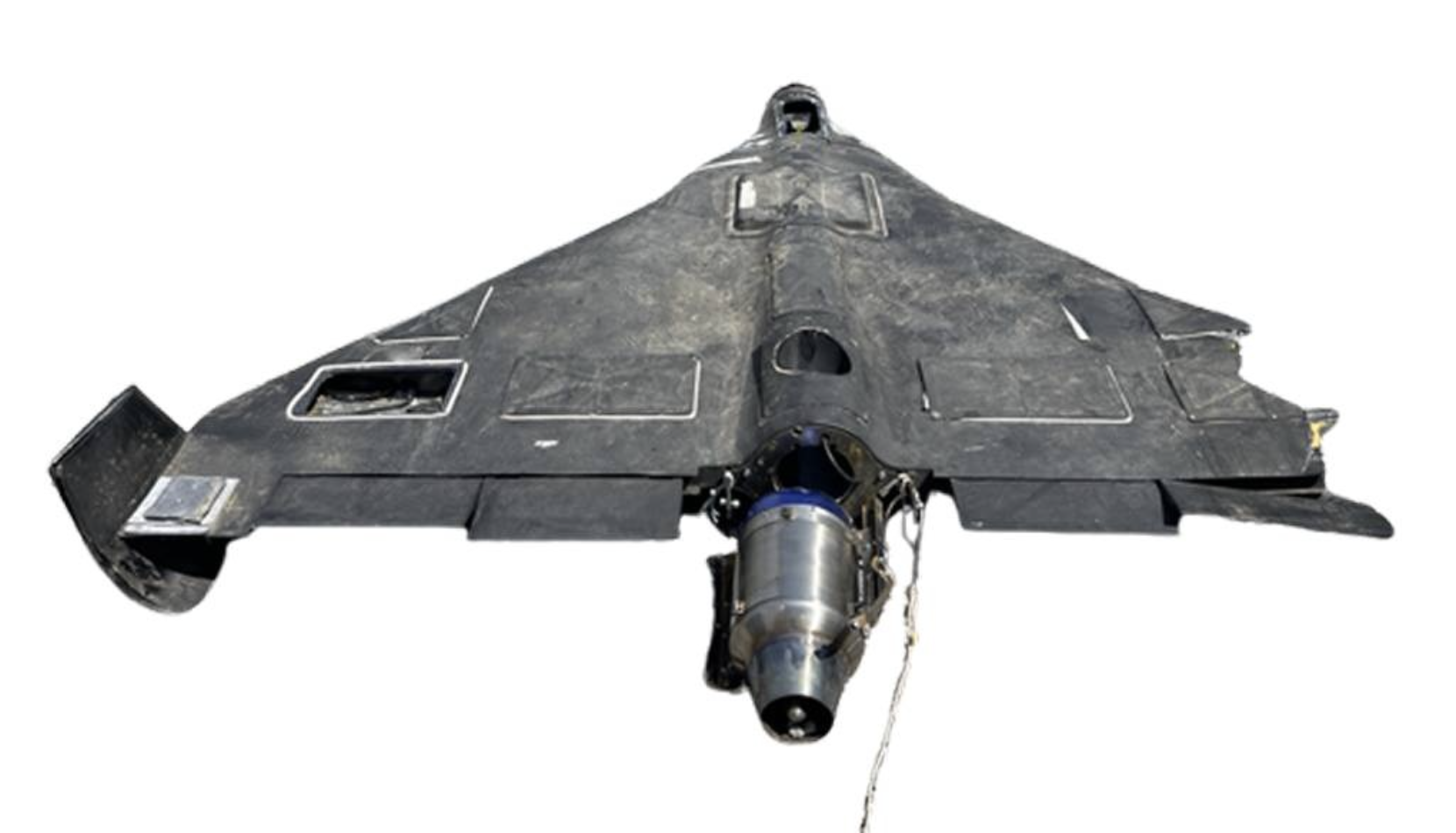
The transition to jet propulsion marks a tactical evolution in Moscow's aerial campaign. While the classic Geran-2 drones, often dubbed "mopeds" for their distinctive noise, faced interception rates exceeding 90 percent, the newer Geran-4s are forcing a revaluation of current defensive strategies. During recent attacks, these high-speed drones have accounted for over half of all incoming units, driving interception success rates down to 65 percent in some engagements. These machines, which can reach altitudes of 5 kilometers, are equipped with advanced camera systems, automatic target recognition, and remote-control capabilities.
Despite their lethality, these systems carry limitations. Their high velocity hinders maneuverability, and their operational range is currently restricted to targets within 500 kilometers of launch sites. Furthermore, they are significantly more expensive than their predecessors, costing between $30,000 and $40,000 per unit. Vadym Skibitskyi, deputy head of Ukraine’s HUR military intelligence, reports that Russia now produces roughly 500 such drones monthly. Beyond the drone threat, intelligence data indicates Russia has exceeded its July production targets for ballistic and cruise missiles, including Iskanders, Zircons, and Onyx anti-ship missiles. As Ukraine prepares for another winter of bombardment, defense experts anticipate the introduction of specialized high-speed interceptor drones by October to counter the growing jet-powered fleet.
Comments (0)
No comments yet. Be the first!