The global nuclear landscape is shifting from the predictable standoff of two superpowers into a complex, nine-body problem. Experts warn that the international order is rapidly deteriorating, driven by increased state secrecy and the expiration of vital arms control agreements. With the U.S. and Russia holding roughly 83% of the world’s warheads, the collapse of bilateral pacts has left the 1968 Nuclear Non-Proliferation Treaty under unprecedented strain. Beyond the five recognized nuclear-weapon states, nations like India, Pakistan, Israel, and North Korea remain outside the framework, while interest in atomic programs grows in states like Poland, Japan, and South Korea.
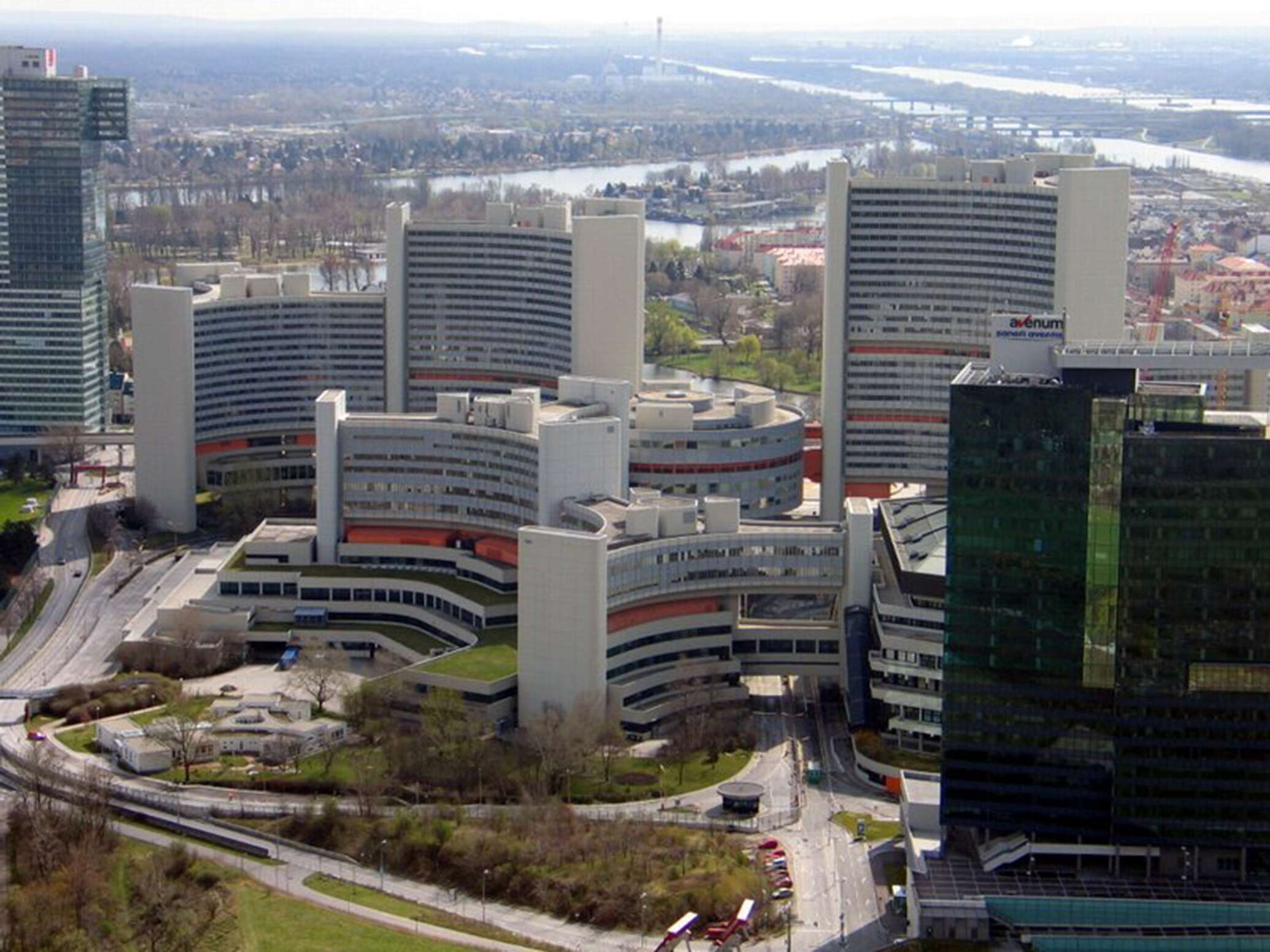
Under the leadership of Rafael Grossi, the IAEA has shed its image as a purely technical entity to become a more visible political actor. Grossi has navigated this transition by balancing the agency’s traditional mandate—inspecting civilian programs and curbing illicit enrichment—with a more assertive diplomatic presence. From mediating ceasefires at the Zaporizhzhia plant in Ukraine to advocating for nuclear energy, the agency is attempting to remain relevant in an era where multilateralism is frequently dismissed. Yet, despite its high-profile efforts, the organization faces internal pressure from stagnant real-term budgets and the logistical strain of monitoring an expanding global nuclear footprint. As the threat of proliferation grows, the agency’s ability to function as the world’s primary nuclear watchdog is being tested as never before.
Comments (0)
No comments yet. Be the first!