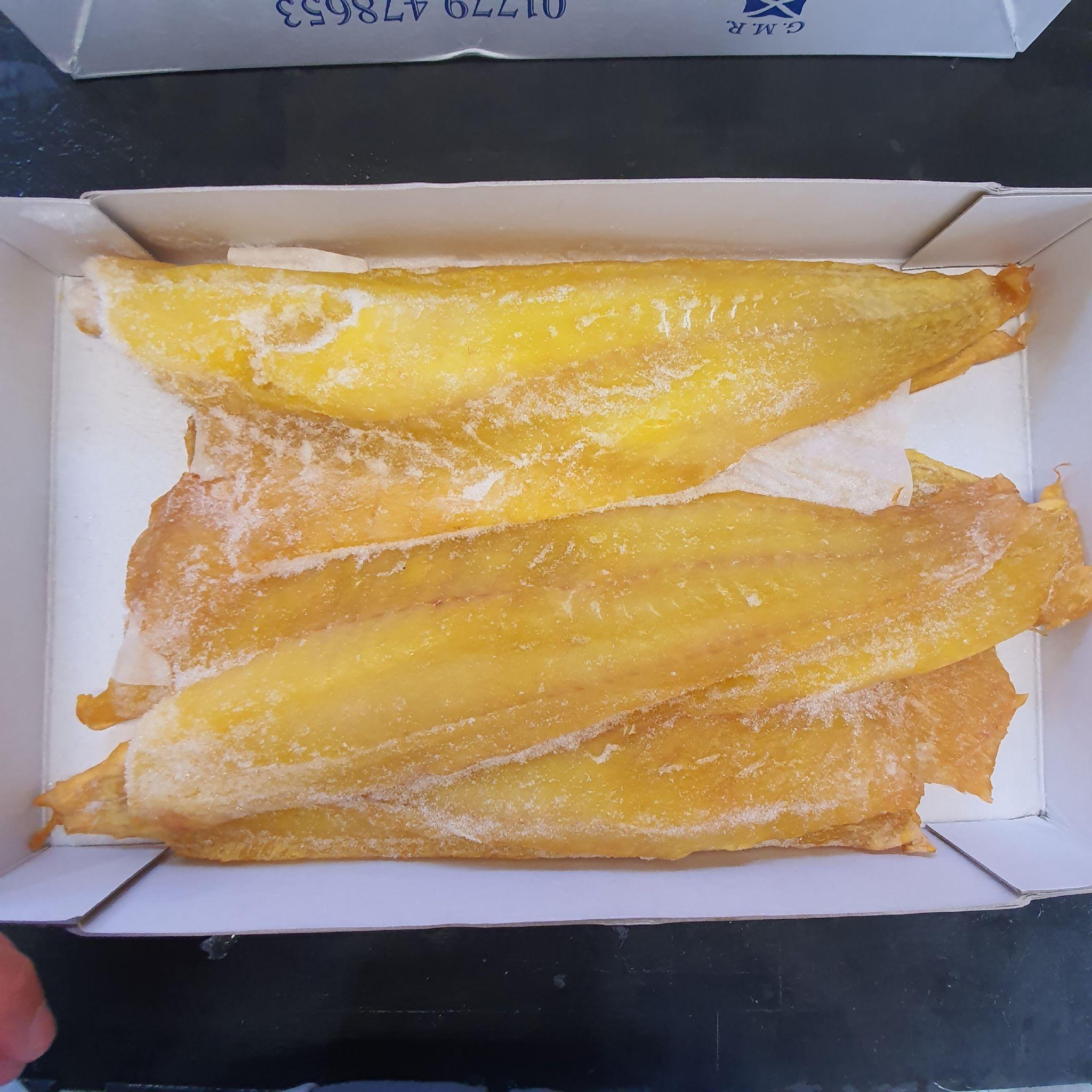
European Commission data reveals that while total Russian fish imports into the EU declined from €954 million in 2022 to €756 million in 2025, specific national consumption patterns tell a different story. German imports of Russian fish meat rose by 82 percent during the Ukraine-war period, with consumption of frozen cod fillets climbing from 1.5 million tonnes in 2022 to 2.4 million tonnes last year. France mirrored this trend with a 75 percent increase, complicating the political path for a total import ban.
Beyond the trade friction, the sanctions package faces internal disputes over the inclusion of Patriarch Kirill, the head of the Russian Orthodox Church, whom Bulgaria has pushed to remove from the blacklist. The impasse leaves European Commission President Ursula von der Leyen in a precarious position; she publicly promised a cod ban on June 10, and a failure to deliver would signal a significant political embarrassment. Diplomats remain divided on the outcome, with some citing fears over domestic labor market volatility as the primary driver for the hold-outs. Negotiations are expected to continue ahead of the July 13 adoption deadline.
Comments (0)
No comments yet. Be the first!