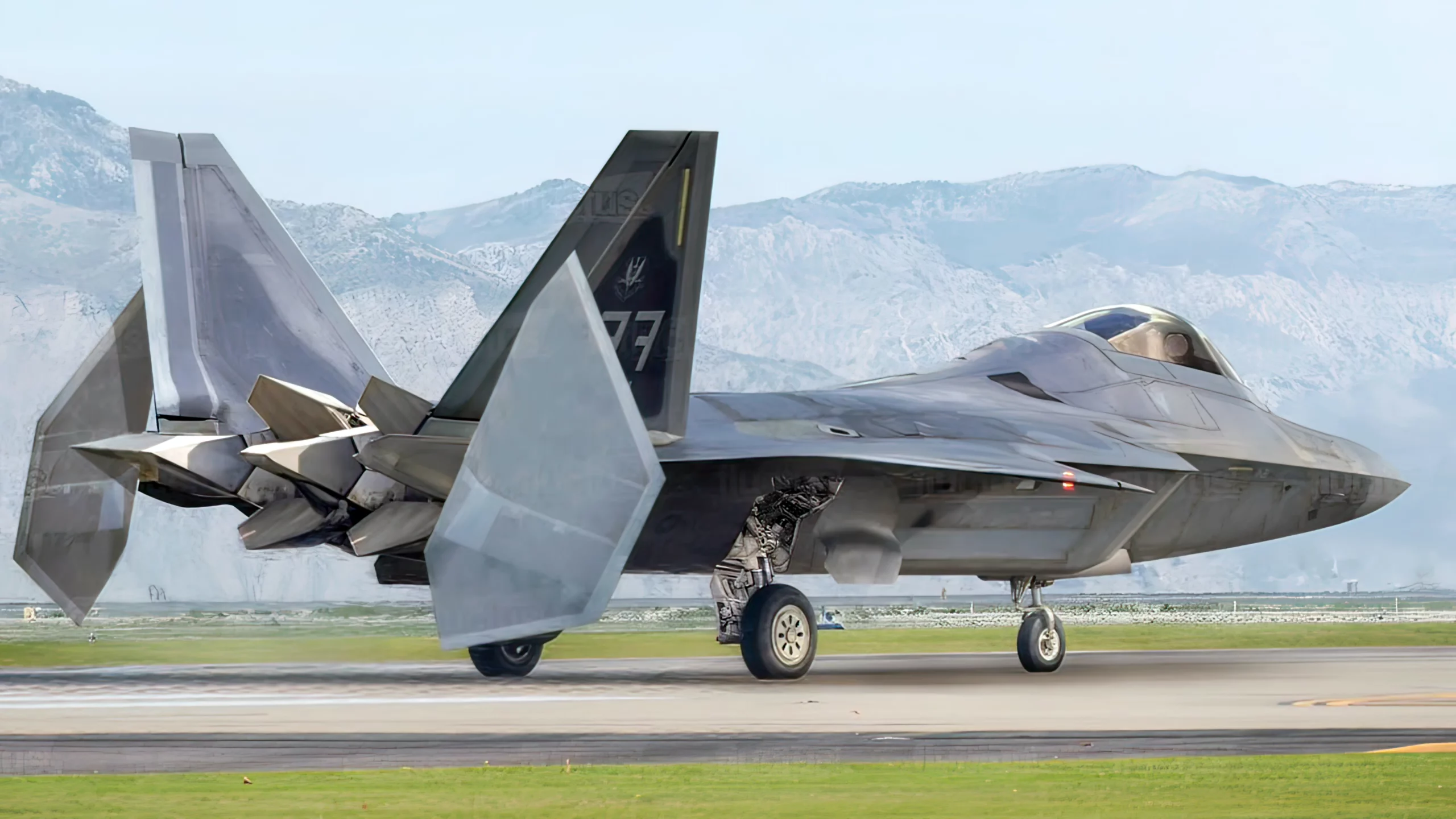
Berke, who served as the first operational commander to fly the F-35B and an instructor at the TOPGUN school, describes his career as a rare privilege. His experience spans the evolution of American air combat, from the versatile F/A-18 Hornet—his "first love"—to the information-heavy F-35, which he credits with shifting the focus of warfare toward situational awareness and data fusion.
Yet, the F-22 Raptor occupies a singular position in his memory. During his transition to the aircraft at Tyndall Air Force Base, Berke noted an immediate, visceral difference in performance. Unlike the fourth-generation fighters he had mastered, the Raptor utilizes thrust-vectoring engines to execute maneuvers that appear to ignore standard aerodynamic limitations. For Berke, the Raptor is not just another high-performance jet; it is a machine that fundamentally changed his understanding of what is possible in the cockpit.
Comments (0)
No comments yet. Be the first!