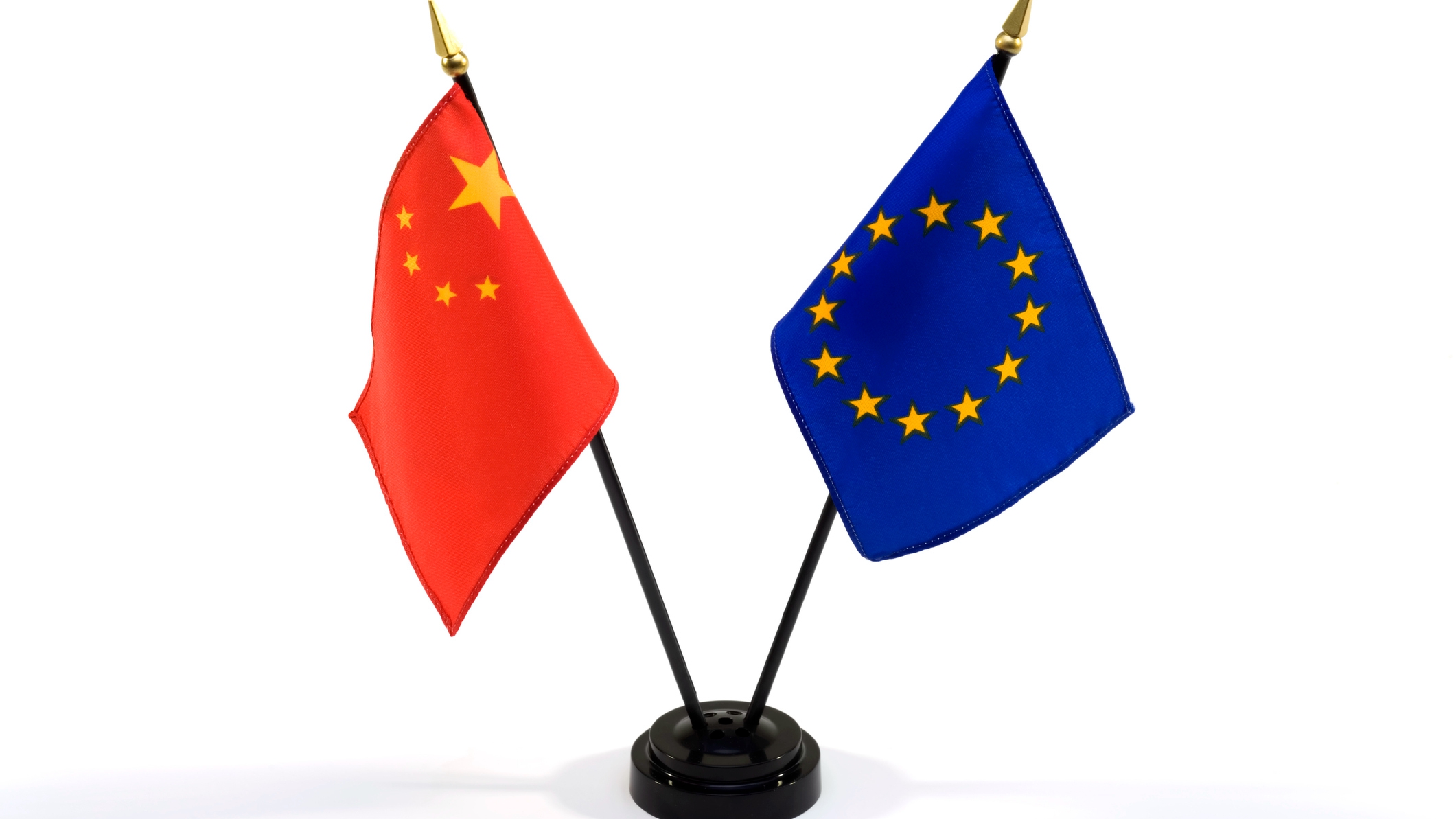
The European Council’s reliance on bureaucratic euphemisms—such as "global macroeconomic imbalances"—masks an inability to confront China directly. While diplomats privately acknowledge these discussions center entirely on Beijing, the official rhetoric remains carefully sanitized to avoid provocation. This trend extends to joint papers from member states like France, Italy, and Spain, which frame trade barriers and industrial overcapacity as systemic challenges without identifying the source.
This hesitancy stems from the absence of a cohesive European policy. As one leader noted, the bloc effectively operates under 28 competing strategies: one from the European Commission and 27 distinct national approaches. While the EU officially labeled China a partner, competitor, and systemic rival in 2019, the subsequent "de-risking" strategy has struggled to gain traction. Mechanisms like the "trade bazooka"—the Anti-Coercion Instrument—have remained largely theoretical, deemed too complex for the current geopolitical climate.
Beijing has successfully exploited these fractures through targeted retaliation. When the EU imposed tariffs on electric vehicles in October 2024, China responded with specific investigations into French cognac, Spanish pork, and German luxury cars. For countries like Spain, where pork exports to China are worth over €1.1 billion annually, the economic pressure is existential. Similarly, Greece remains constrained by China’s ownership of the Port of Piraeus, while Hungary acts as a conduit for Chinese investment in battery and EV manufacturing. By turning the single market’s strength into a vulnerability, China continues to practice a classic divide-and-conquer strategy, leaving the EU searching for a unity that remains elusive.
Comments (0)
No comments yet. Be the first!