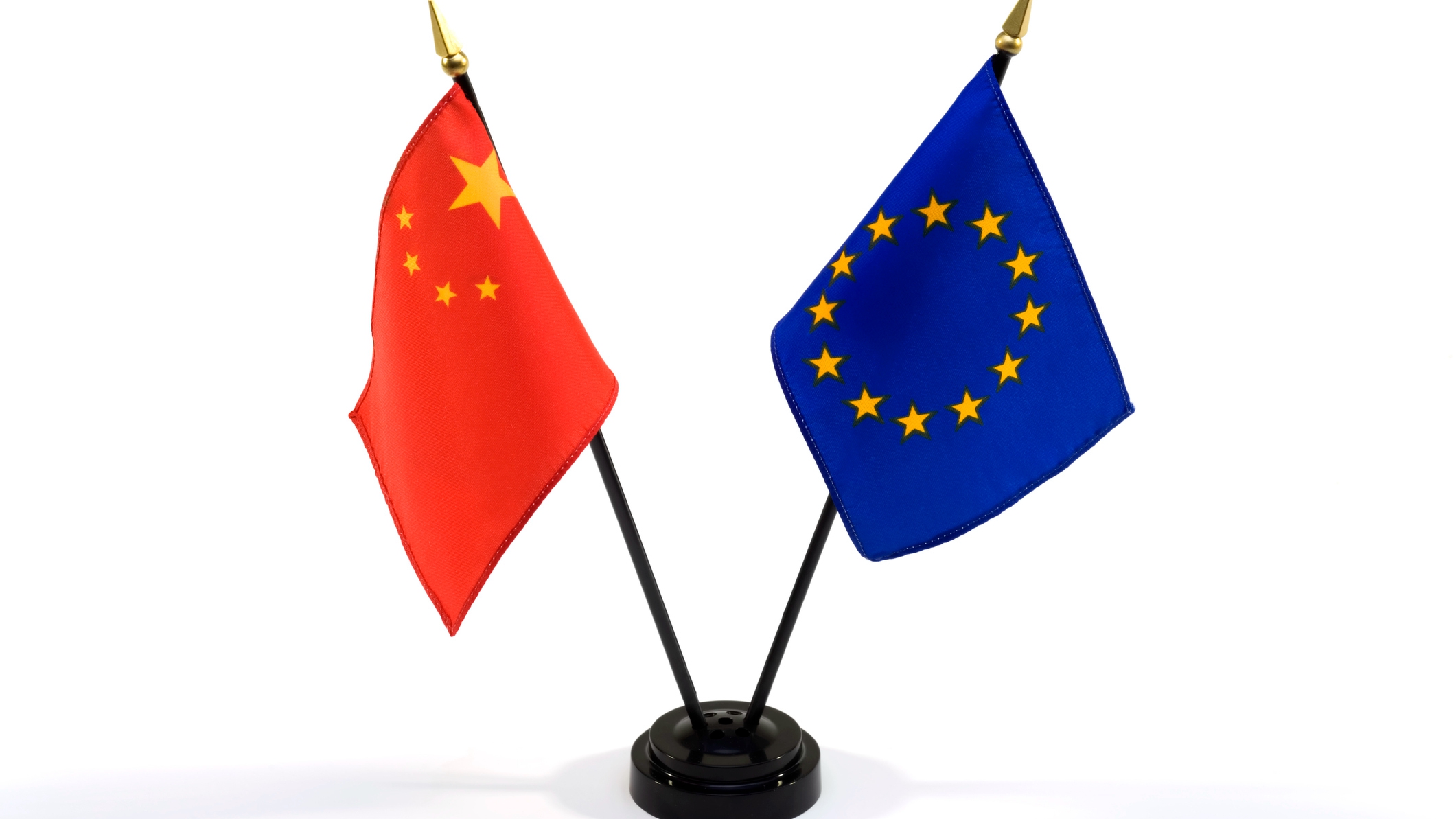
The scale of the shift is stark. In 2025, every EU member state recorded a trade deficit with China, marking a departure from the days when the primary concern was merely an influx of cheap, low-end goods. Today, China exports high-tech products that often outperform domestic European alternatives on both price and quality. According to the Centre for European Reform, China now commands 30 percent of global manufacturing output while consuming only 13 percent, creating a massive surplus that threatens European market stability.
The Industrial Survival Stakes
This surplus is most visible in the automotive sector. Despite existing tariffs, Chinese electric vehicle exports to Europe rose 26 percent last year. With China capable of producing 25 million EVs annually—doubling its domestic demand—the pressure to offload inventory onto foreign markets remains relentless. Analysts point to a 30 percent undervaluation of the renminbi as a structural driver of this imbalance, leaving over half of European manufacturing exposed to aggressive market-share gains.
European Commission President Ursula von der Leyen intends to use the summit to break the current policy paralysis. While the Commission has explored various defensive measures, member states remain fractured. Governments in Germany, Spain, and Greece are wary of provoking Beijing, mindful of the retaliation that followed October 2024’s EV tariffs, which triggered Chinese probes into French cognac, Spanish pork, and German luxury vehicles. Thursday’s dinner serves as a high-stakes attempt to secure a political mandate, forcing leaders to choose between the long-term survival of their industries and the immediate risk of a trade war.
Comments (0)
No comments yet. Be the first!