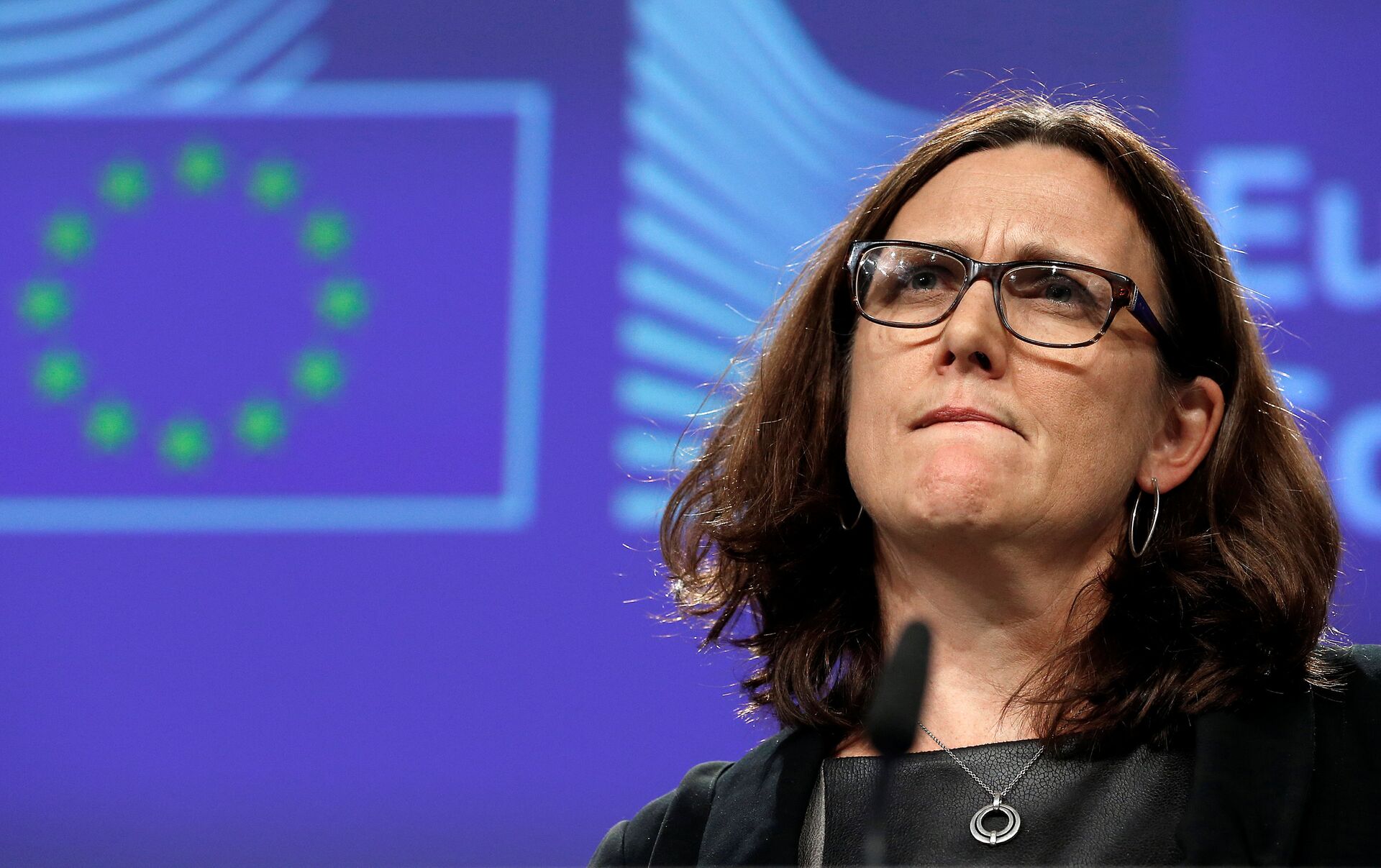
The agreement, which saw the EU slash its own duties to zero in exchange for a reduction in U.S. tariffs to 15%, marks a sharp departure from the firm retaliation strategy employed by Brussels in 2018. While European officials initially sought stability through compromise, the deal now faces criticism for failing to secure the promised geopolitical alignment or reliable commercial conditions. Malmström contends that the bloc should have maintained a tougher stance, noting that the U.S. administration’s unpredictable approach rendered the pursuit of long-term predictability futile.
Beyond the strained relationship with Washington, the European Commission is actively diversifying its commercial footprint. Recent progress includes finalized deals with Indonesia, India, Australia, and Mexico, alongside the provisional application of the Mercosur agreement. Malmström highlights the nascent Trade and Investment Dialogue with the CPTPP—a bloc representing 32% of global GDP—as a vital opportunity to establish new international standards. As the EU navigates mounting pressure from both the U.S. and China, these partnerships are increasingly viewed not merely as economic tools, but as essential geopolitical statements aimed at preserving a rules-based global order.
Comments (0)
No comments yet. Be the first!