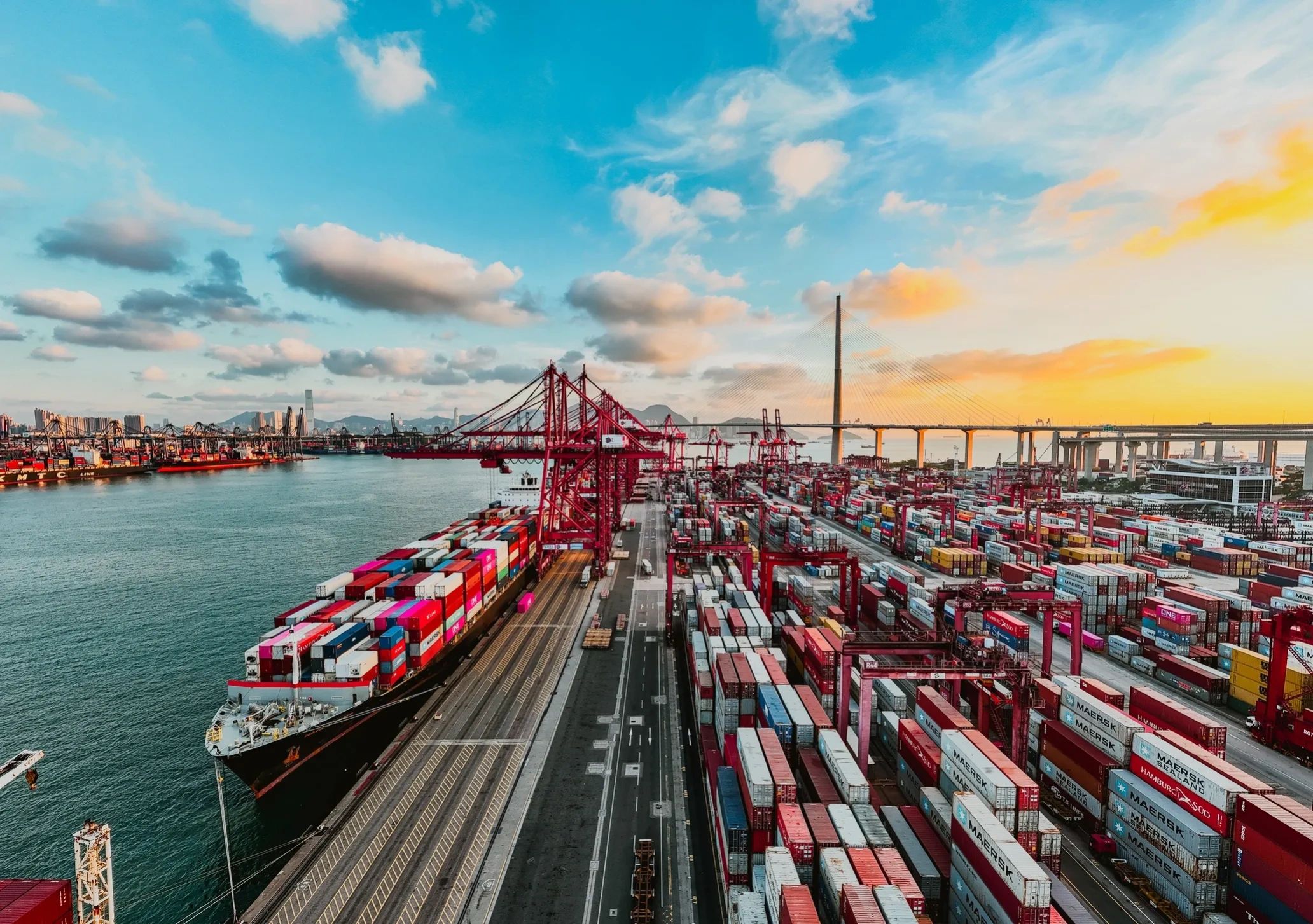
Trade hostilities have intensified as European officials push back against state-subsidized exports in sectors ranging from steel and aluminum to electric vehicles. While EU Trade Commissioner Maroš Šefčovič and Chinese Commerce Minister Wang Wentao have opened a new dialogue, internal expectations for an October breakthrough remain low. Analysts suggest that if a conflict erupts, it will likely manifest as a series of sector-specific skirmishes rather than a total economic rupture.
Strategic risks and supply chain vulnerabilities
The EU’s challenge is compounded by its profound reliance on Chinese-controlled supply chains for critical raw materials and essential components. Experts from firms like Datenna and the Rhodium Group warn that this dependency gives Beijing significant leverage to weaponize trade inputs. Even as Brussels develops new tools like the Anti-Coercion Instrument, member states remain hesitant to deploy them, fearing the fallout of a full-scale retaliatory cycle. For European policymakers, the current strategy is a precarious balancing act: attempting to fortify domestic industry without triggering the very trade war they hope to avoid.
Comments (0)
No comments yet. Be the first!