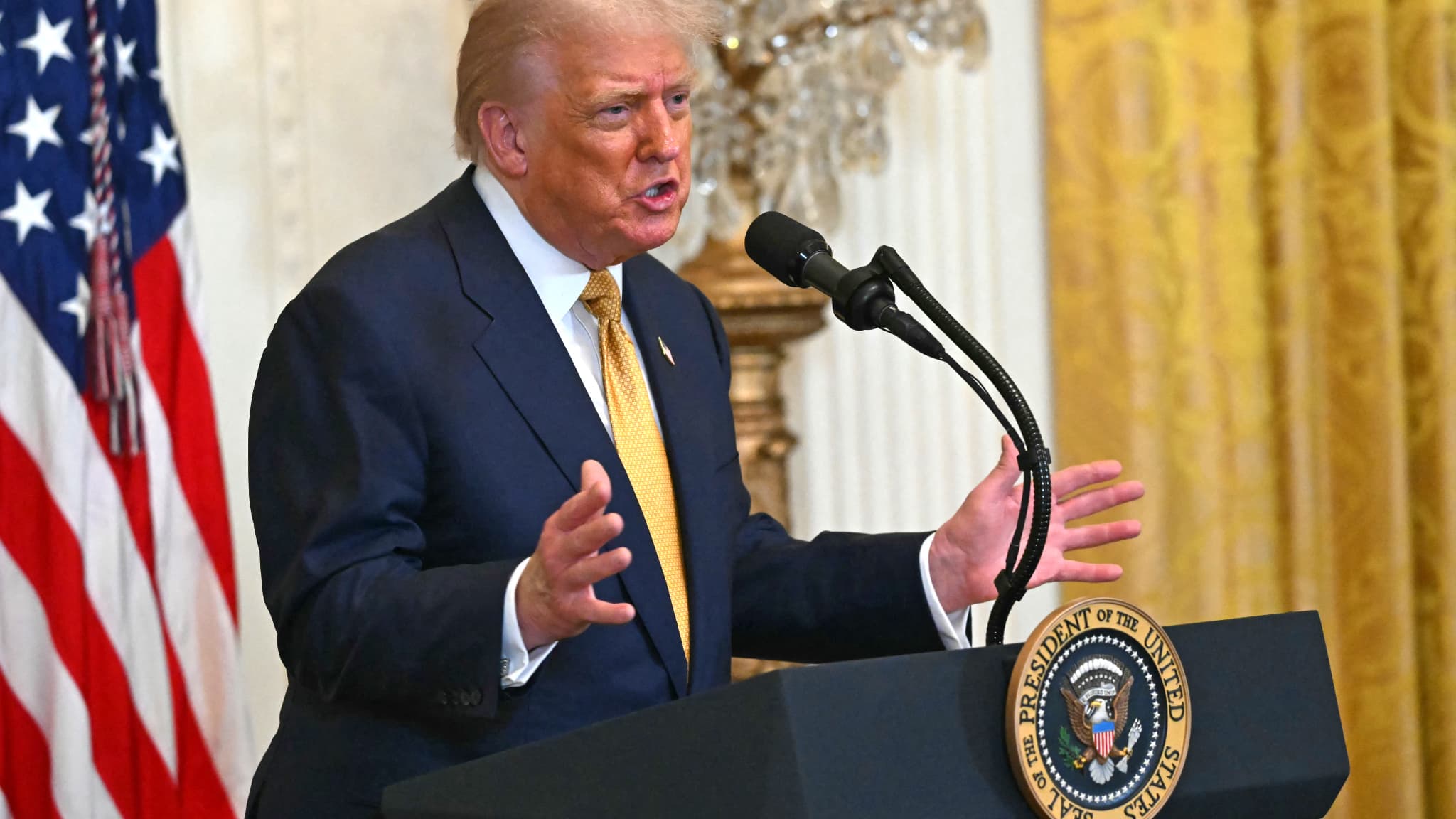
The final agreement, which originated from a 2023 meeting at Donald Trump’s Turnberry golf club, mandates that the U.S. cap duties on European imports at 15%. In exchange, the EU will scrap tariffs on American industrial and agricultural goods. While initial criticism labeled the pact profoundly unequal, the version passed Wednesday includes critical mechanisms to hedge against erratic shifts from Washington. Most notably, a new suspension clause empowers the European Commission to rescind the deal if the U.S. fails to lower existing duties on steel and aluminum by the end of 2026.
Protecting EU interests
Beyond the suspension clause, negotiators inserted a sunset provision that expires the agreement at the end of 2029, effectively aligning the deal’s lifespan with the remainder of Trump’s term. The European executive is also now required to monitor import surges that threaten domestic industries, providing a legal basis to launch investigations if trade flows become detrimental. Despite these additions, the final text lacks a contentious 'sunrise clause' that would have tied ratification directly to immediate U.S. concessions on metals, a move analysts viewed as a necessary compromise to expedite the process.
Whether the White House will accept these modified terms remains unclear. EU Trade Commissioner Maroš Šefčovič hailed the ratification as proof of the bloc’s reliability, yet Bernd Lange, the Parliament’s lead negotiator, admitted he has no certainty that the administration will accommodate the new safeguards. With the U.S. recently launching fresh investigations under the Trade Act, experts warn that the agreement offers a framework for stability rather than a guarantee of peace. For European policymakers, the strategy is now one of managed caution: treating the deal as a living document capable of being frozen rather than a permanent resolution to transatlantic friction.
Comments (0)
No comments yet. Be the first!