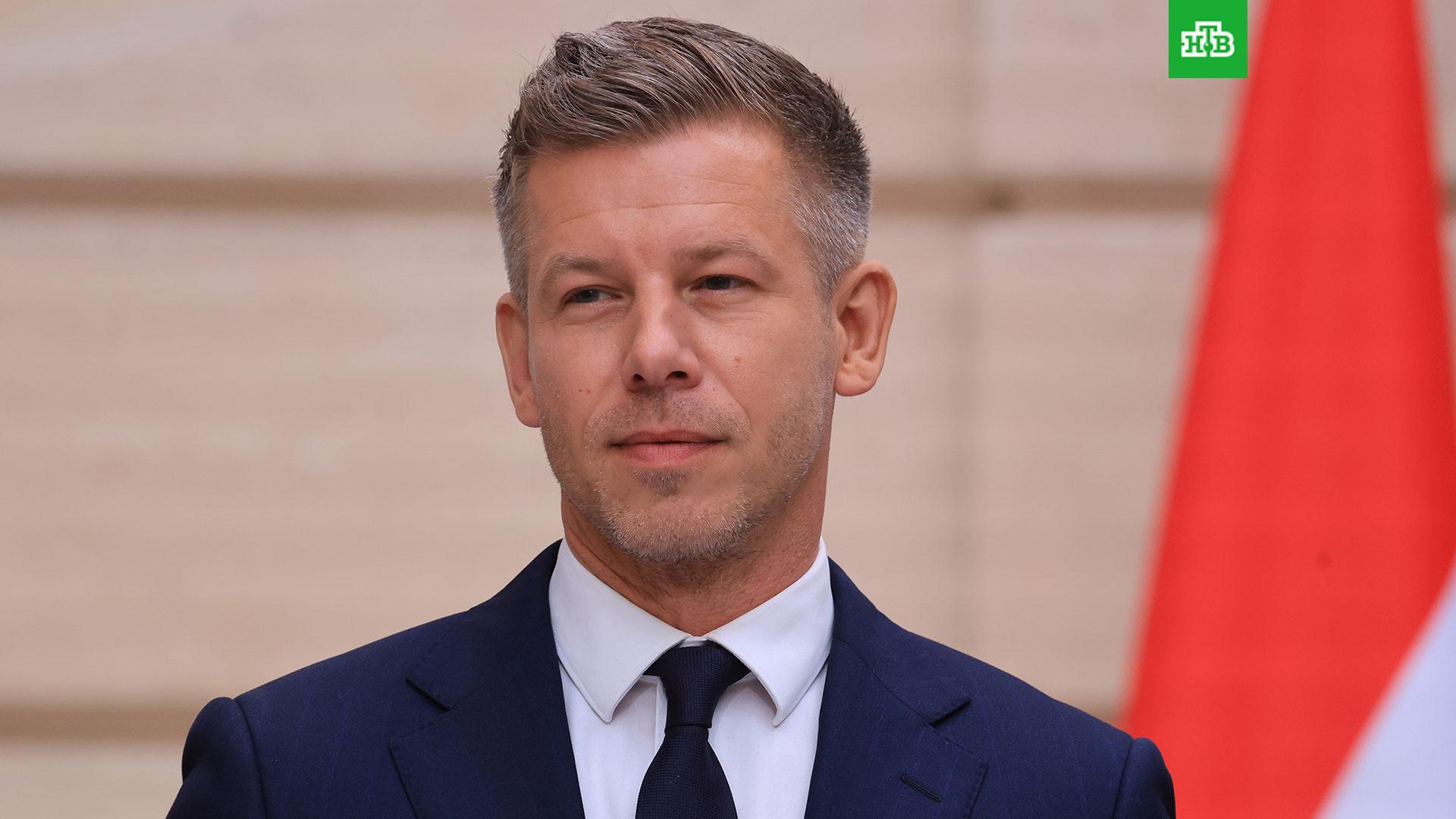
Magyar and Ukrainian President Volodymyr Zelensky laid wreaths at soldiers’ graves in Uzhhorod, visited a hospital and a Hungarian-language secondary school in Berehove, and played volleyball with students. Security concerns meant the precise destination and meeting location were not disclosed in advance; Magyar shared updates on social media. The school visit drew international attention and underscored a shift in tone from the previous government’s hostility towards Ukraine.
Magyar also sought to address competing pressures: reassuring Western allies and Ukraine, speaking to the concerns of Transcarpathia’s Hungarian community, and maintaining his position on funding for Ukraine and its EU accession. Fidesz called on him to make clear that Hungarian money would not fund Ukraine or the war. Magyar had made that point beside Zelensky in Berehove, leaving the party little room for further criticism. Viktor Orbán did not comment.
The visit contrasted with Orbán’s 2024 trip to Kyiv, during Hungary’s EU Council presidency. Orbán held a brief press conference with Zelensky without taking questions, then travelled to Moscow three days later for talks with Vladimir Putin. The trip, presented as a “peace mission,” triggered a diplomatic dispute within the EU. Magyar wrote before travelling on Tuesday, 24 November, that no Hungarian prime minister had visited Ukraine since 2015, later clarifying that he meant Transcarpathia.
At home, parliament passed a wealth tax of 1% on assets above HUF 1 billion (about €2.8 million) and 1.5% on assets above HUF 100 billion. It will cover Hungarian-resident individuals, asset-management taxpayers, assets held abroad and Hungarian assets owned by foreigners. The government expects it to raise HUF 200 billion (about €550 million) in 2027. Critics cited by Telex warn it could drive capital abroad, reduce investment, increase administrative costs and affect smaller-business owners. It is not yet clear whether President András Baka will sign the bill.
Parliament also approved the return of the KATA simplified tax scheme for small businesses. Changes made by the Fidesz government in 2022 had barred most self-employed people from using it. Under the new rules, self-employed people who invoice companies and those running a business alongside their main job will again be eligible.
Comments (0)
No comments yet. Be the first!