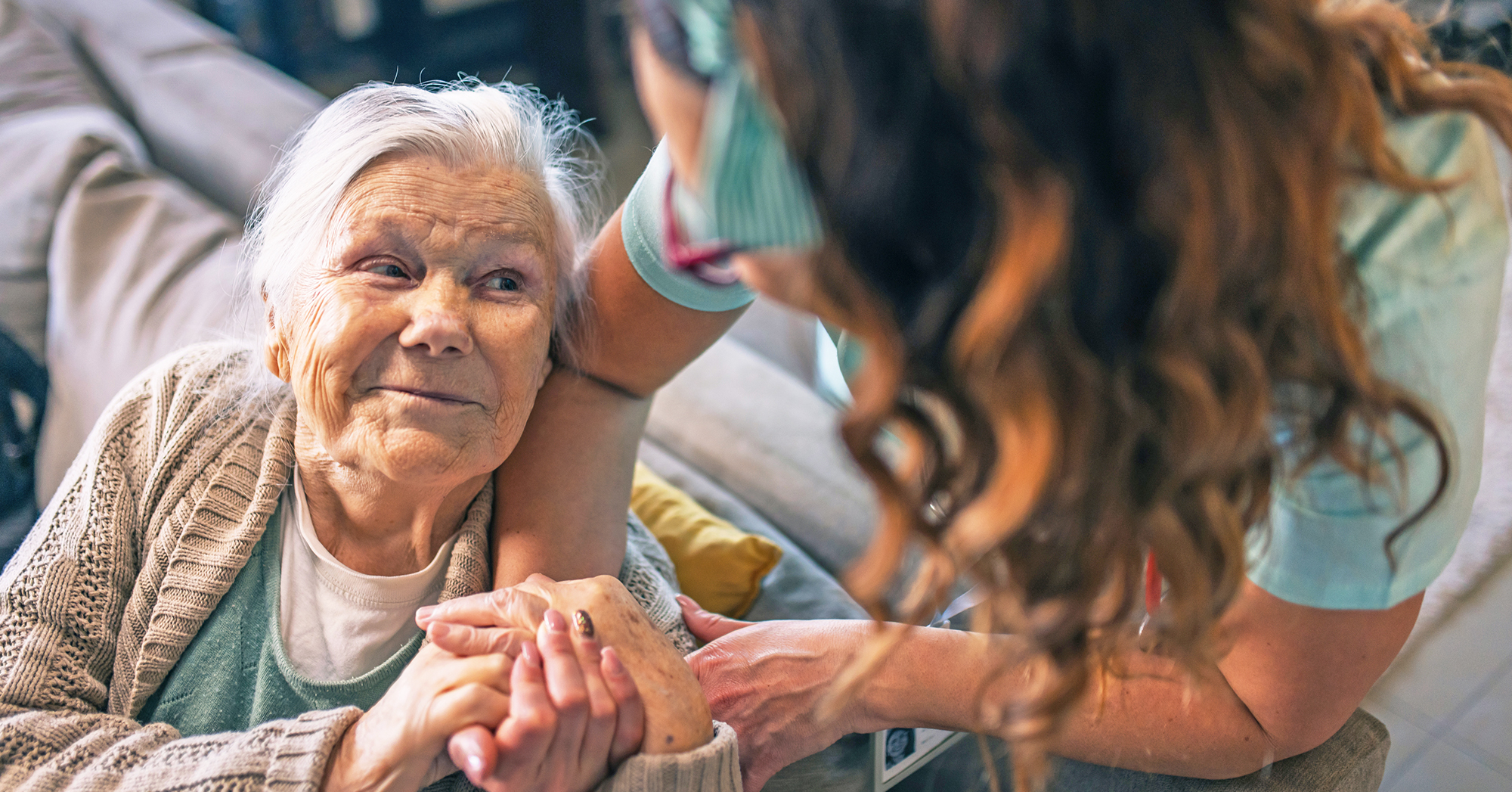
Hazelwood, 67, spent five months arranging home care for his 91-year-old mother, taking over her finances and coordinating medical attention. He says they still enjoy talking about literature, politics and sports, and she continues to swim several days a week. But caregiving has also meant spending retirement savings on her needs and confronting uncertainty about how long her savings will last.
The strain can bring conflicting emotions, including resentment, Hazelwood writes. Barry Jacobs and Julia Mayer’s The AARP Caregiver Answer Book describes how those feelings can contribute to insomnia, burnout, depression and anxiety. Hazelwood says he has experienced them himself.
Caregiving has become a regular topic on rides with his longtime cycling group. Of the eight men, friends for nearly 50 years, five still have living parents: two provide care at home, while three, including Hazelwood, coordinate it from a distance. A 2025 report from the National Alliance of Caregiving and AARP says about 4 in 10 of the country’s 63 million family caregivers are men.
One friend, in his mid-60s, told Hazelwood that he and his wife can no longer easily go out to dinner, take weekend trips or travel together. He described the tension between showing love to relatives and protecting personal and marital quality of life.
Hazelwood’s advice to new retirees is to prepare legal and financial paperwork, including powers of attorney and healthcare proxies; discuss responsibilities early with siblings and, if possible, the parent; and build a support network that may include a professional or caregiver group. His mother’s health has improved, and his brothers now share visits and responsibilities. Two years into retirement, he has booked plane tickets and is planning a group ride to San Diego, while recognizing that plans may change again.
Comments (0)
No comments yet. Be the first!