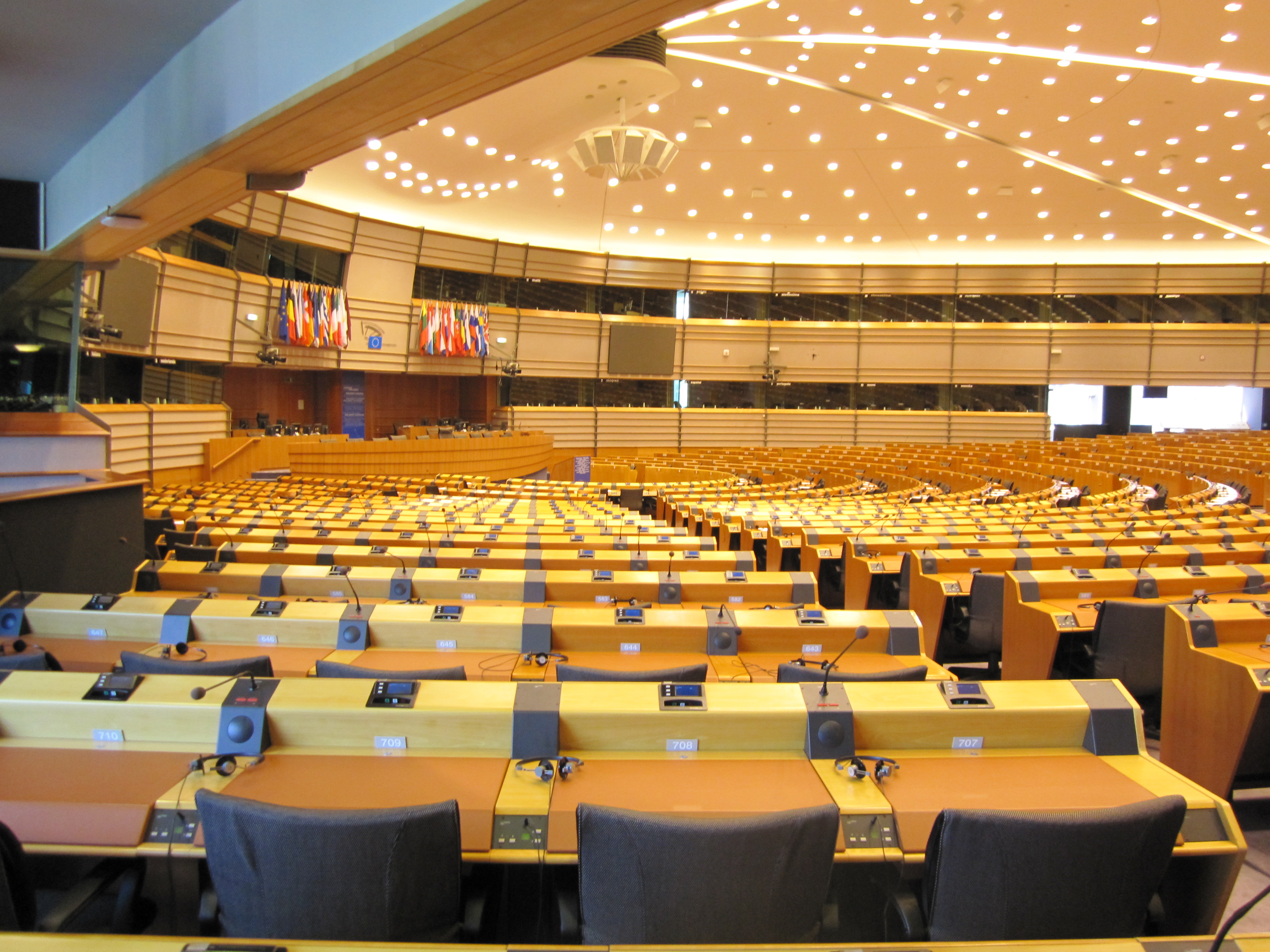
The Parliament’s industry, research and energy committee, ITRE, adopted its report by 72 votes to one, with two abstentions. By the same margin, members backed opening negotiations with the Council. The full Parliament can now work towards setting its negotiating mandate ahead of trilogue talks.
The revised text is about 22 percent shorter than the Commission proposal, with 97 articles instead of 119, said Italian MEP Elena Donazzan, the lead rapporteur for the European Conservatives and Reformists group. Donazzan said the proposed EU-level framework for harmonised rules on safety, resilience and environmental sustainability had been removed because it could increase costs for companies and member states. The mandatory environmental certificate was also dropped. A standalone cybersecurity regime was removed, with related requirements instead addressed through amendments to the NIS2 directive.
The changes leave member states more regulatory flexibility, rather than establishing the common legal baseline envisaged by the Commission. The proposal was intended to replace a patchwork of national rules as Europe faces pressure to strengthen its position in an increasingly contested space sector.
At the Space Tech Expo Europe in Germany on Wednesday, Maria Fernández Molinero, head of the Commission’s space policy unit in its Directorate-General for Defence Industry and Space, argued that a common framework could bring greater clarity, predictability and less fragmentation. She said Europe’s growing dependence on space also creates vulnerabilities and that the bloc must protect what it builds.
German MEP Angelika Niebler, the European People’s Party shadow rapporteur, called the legislation a “historic moment.” She said that, if the proposal proceeds smoothly next year, there would be another three and a half years for implementation. The Commission proposal sets 1 January 2030 as the planned start date; Donazzan described that timetable as realistic.
The Council is not expected to finalise its position during the Irish presidency, which ends on 31 December. Irish spokesperson Peadar Ó hÚbáin said a progress report would go to a Space Council in early December, before the file passes to the Lithuanian presidency next year.
Comments (0)
No comments yet. Be the first!