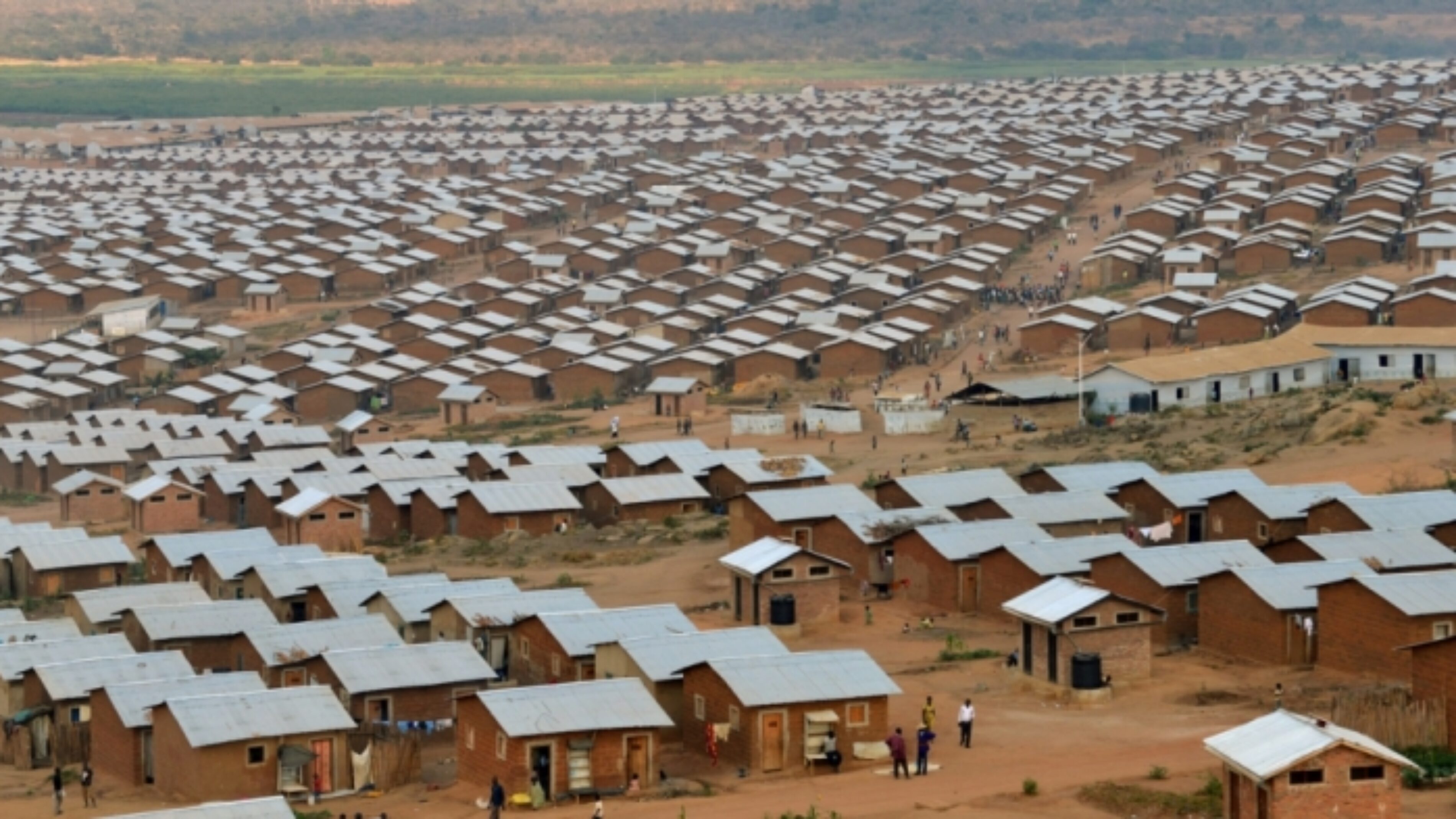
Denmark, Austria, Germany, the Netherlands and Greece said on Monday they would work with Rwanda on a return hub for people whose asylum claims have been rejected. Denmark’s Prime Minister Mette Frederiksen called the announcement a step towards a new migration system and said Europe needed to “take back control of our borders.” Rwanda could sign a partnership agreement with Denmark as early as next week.
The hub is initially expected to receive no more than 100 migrants. Frederiksen described the scheme partly as a deterrent, arguing that its message could lead thousands to reconsider journeys to Europe. Migration researcher Davide Colombi of the think tank CEPS said there was “no robust evidence” that stricter policies or more deportations change people’s decisions to migrate. A 2018 European Commission assessment had warned that sending migrants to countries with which they had no ties carried a high risk of violating the principle of non-refoulement.
The Monday announcement was described as an “arrangement,” not a completed legal agreement. Colombi said unresolved issues include who would run the facilities, their budget, the legal instrument, monitoring powers, remedies for migrants and the division of legal responsibility after transfers. He also questioned what other areas of cooperation between Rwanda and the five states would involve.
Rwanda says migrants would initially stay in open facilities and could choose to return to their countries of origin, settle in Rwanda or move to another country where they have the right to reside. Interior Minister Vincent Biruta called the offer a “second chance”; Denmark’s immigration minister, Morten Bødskov, said migrants would not be sent to prison or detention centres. A joint letter signed by 47 human rights, civil society and trade union organizations rejected such descriptions as euphemisms for forced removal.
The International Organization for Migration said Rwanda had requested operational support and that it could help in principle if its mandate and international standards were respected. The UN refugee agency also appears to be involved; the EU border agency Frontex is not part of the plan for now. Independent monitoring remains a central open question. The article also noted that irregular arrivals to the EU fell by about 37% in the first seven months of 2026 compared with the same period in 2025, according to the Mixed Migration Centre.
Comments (0)
No comments yet. Be the first!