Weidel’s proposed roadmap sets out a staged effort to reduce EU powers under existing rules within three years, then seek treaty reform within seven. It also envisages using Germany’s budgetary leverage. Weidel says Germany should move away from its current role as the EU’s “paymaster” and place greater emphasis on national sovereignty. For an export-dependent economy, leaving the single market and common currency could carry a price tag of €690bn.
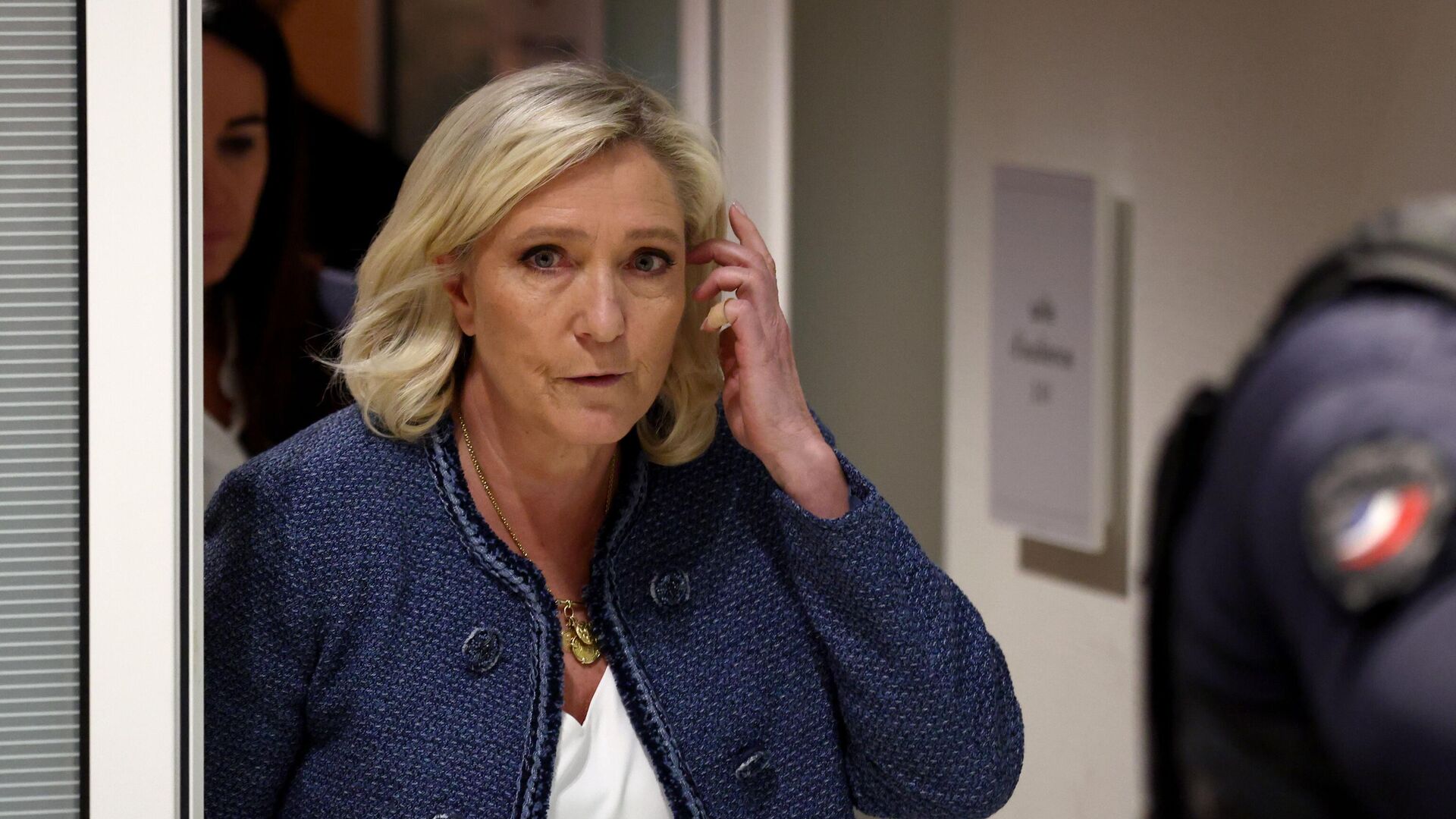
Le Pen, for her part, is looking to elections across Europe to build a coalition of like-minded governments. Both leaders appear to see domestic political strength as a route to influence in Brussels, rather than pursuing another exit campaign.
That strategy could collide with the EU’s negotiations over its nearly €2 trillion budget for 2028–2034, which must account for support for Ukraine, defence spending and demands for greater spending at home. If Le Pen takes power after France’s 2027 elections, she wants to cut the country’s EU contributions while seeking the return of €2.2bn a year in customs duties collected at French borders. France is also a major recipient of EU agricultural funding, raising questions about the consequences for French farmers.
A September 2026 German Council on Foreign Relations study warns that a future French government could use national ratification to obstruct the EU’s revenue arrangements, even after a budget deal. The rules require unanimous approval and national ratification, potentially giving a government leverage after spending plans are agreed. AfD has also threatened to block decisions if it enters government and its demands are not met.
Emmanuel Macron has urged EU leaders to agree on the budget before the end of the year, warning that Europe’s crowded 2027 election calendar could complicate negotiations. But an early spending agreement would not settle disputes over how it is financed. The challenge for Brussels may come from Eurosceptic leaders seeking to stay in the bloc and rewrite its rules.
Comments (0)
No comments yet. Be the first!