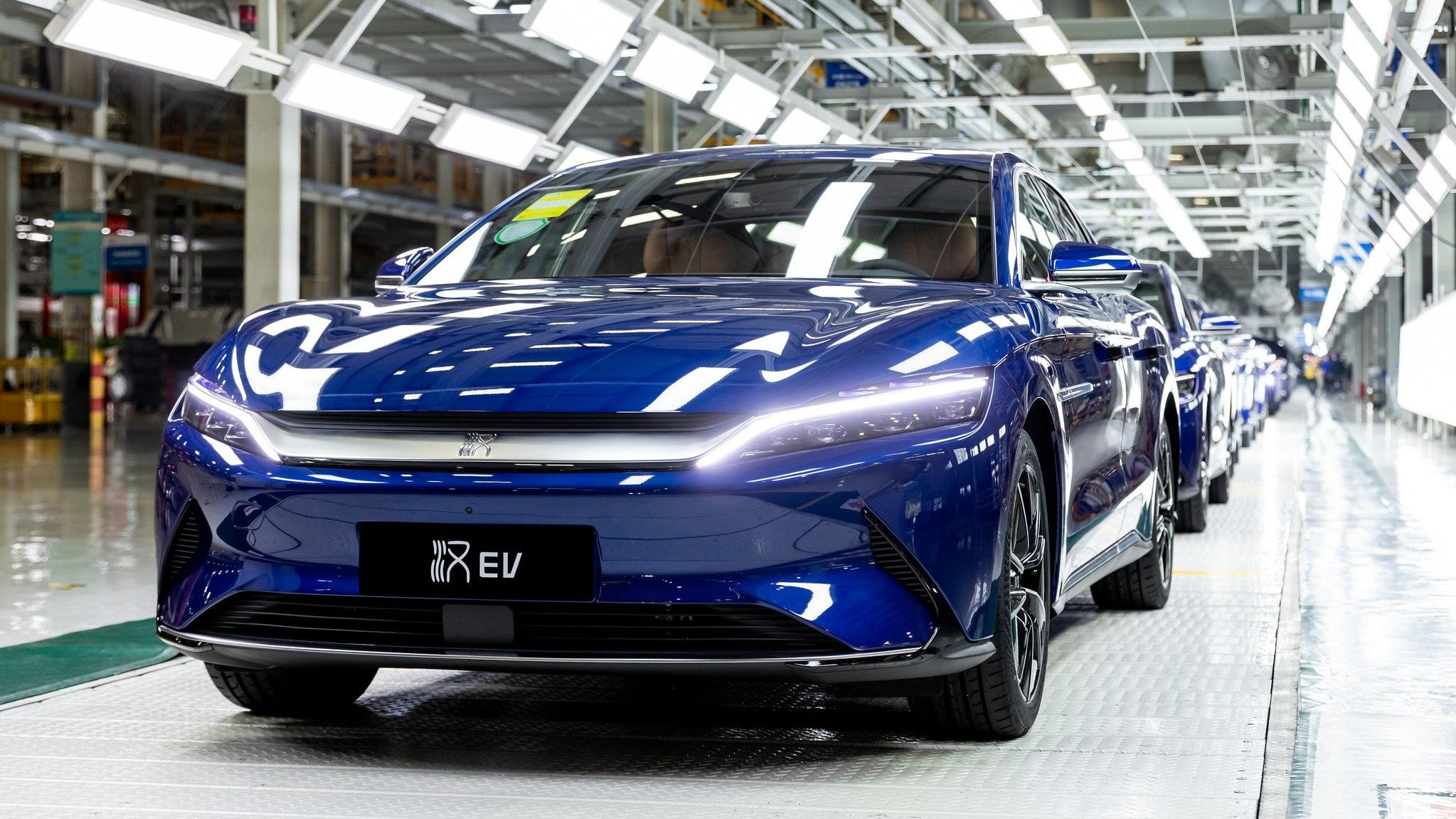
China has accepted an EU quota of 350,000 hybrid and plug-in hybrid vehicles a year, about half the volume projected for 2026. The ceiling will rise by 6% annually through 2030. The concession followed a surge in Chinese hybrid exports to the EU: 380,000 in the first seven months of this year, already above the total for 2025. Exports of fully electric cars, by contrast, have grown only modestly since the EU imposed tariffs in 2024.
The agreement uses a quota system applying to all exporters, rather than voluntary limits on China alone. That leaves Brussels needing to negotiate generous quotas with other trading partners. It also permits Chinese exports to remain well above 2025 levels, while manufacturers can expand European sales by producing locally. Hybrids accounted for less than 3% of the EU’s €360 billion trade deficit with China in 2025, and the deal does not address competition in China or other markets where European automakers make most of their sales.
The wider dispute reflects a clash over industrial policy. European companies face Chinese producers benefiting from state subsidies, lower costs and an exchange rate many European policymakers consider undervalued. Germany is particularly exposed, with manufacturers also contending with high energy costs, deteriorating infrastructure and a shrinking workforce. Chemicals, machinery and metals face similar pressures.
A third round of EU-China Trade and Investment Consultations is scheduled for March. Without further concessions, Brussels is likely to consider tariffs or quotas, while the EU is weighing broader powers to respond to overcapacity. Proposed measures include “Made in EU” conditions for public procurement and state aid in strategic sectors, cybersecurity rules targeting high-risk suppliers, and tighter screening of Chinese investment. Though formally country-agnostic, these steps are largely aimed at China.
Beijing views European restrictions as efforts to contain its industrial and technological development. Subsidies, state-directed investment and export-led growth remain central to its economic strategy. The source analysis, drawing on Eurasia Group conversations with Chinese officials and policy specialists, says Chinese policymakers believe they can withstand Western pressure after the trade dispute with the United States.
The likely course in 2027 is managed confrontation: more European restrictions, selective Chinese retaliation and recurring talks to avert a wider rupture. Beijing has threatened probes into European wine, cosmetics, luxury goods and meat; possible rare-earth export controls pose a more serious concern for manufacturers. Europe, for its part, retains leverage through access to its large single market and its strengths in aviation, specialized machinery, high-value chemicals and advanced manufacturing. A full trade war is not inevitable, but the analysis warns its risk could rise as Europe’s industrial difficulties deepen. Political uncertainty, including a possible Marine Le Pen victory in France’s presidential election, could also complicate EU decision-making.
Comments (0)
No comments yet. Be the first!