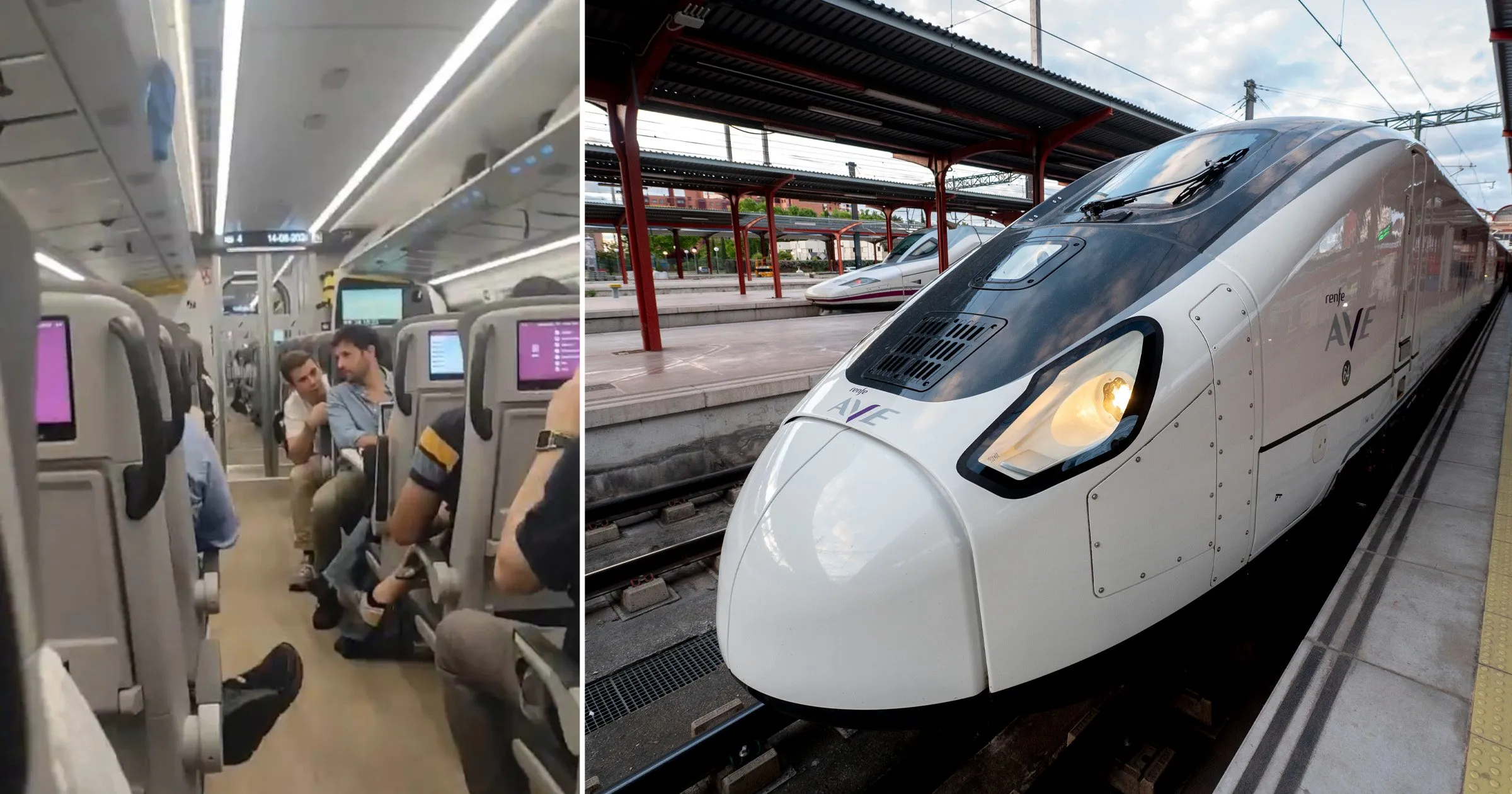
The dual tragedies have ignited a fierce debate over whether Spain’s massive rail network—the largest in Europe—has outpaced its own maintenance capabilities. Critics argue that service expansions, which grew by 52 percent since 2019, were not matched by necessary infrastructure spending. This scrutiny is intensified by the government’s reliance on a 2023 budget that has been rolled over for three consecutive years, potentially starving critical safety sectors of funds.
At the heart of the technical failure is the aging German LZB system, installed in 1992 on the Madrid-Seville line. While intended to be replaced by the modern EU-standard ERTMS, the project remains incomplete. A €93.8m contract, originally slated for completion by January 2026, failed to meet its deadline. When the LZB system faltered during the recent Urda crash, redundant safety measures and trackside signals also failed to prevent the collision, highlighting a dangerous gap between technological reliance and human oversight.
Comments (0)
No comments yet. Be the first!