The recent trade talks in Beijing between EU commissioner Maroš Šefčovič and commerce secretary Wang Wentao signaled a thawing in relations. China’s ministry of commerce highlighted AI and the digital economy as prime areas for collaboration, a sentiment mirrored by the European leadership’s cautious optimism following last week’s Brussels summit. Concrete breakthroughs include Chinese assurances regarding electric vehicle exports and the preservation of rare earth mineral supplies, alongside a commitment to extend negotiations on broader trade disputes.
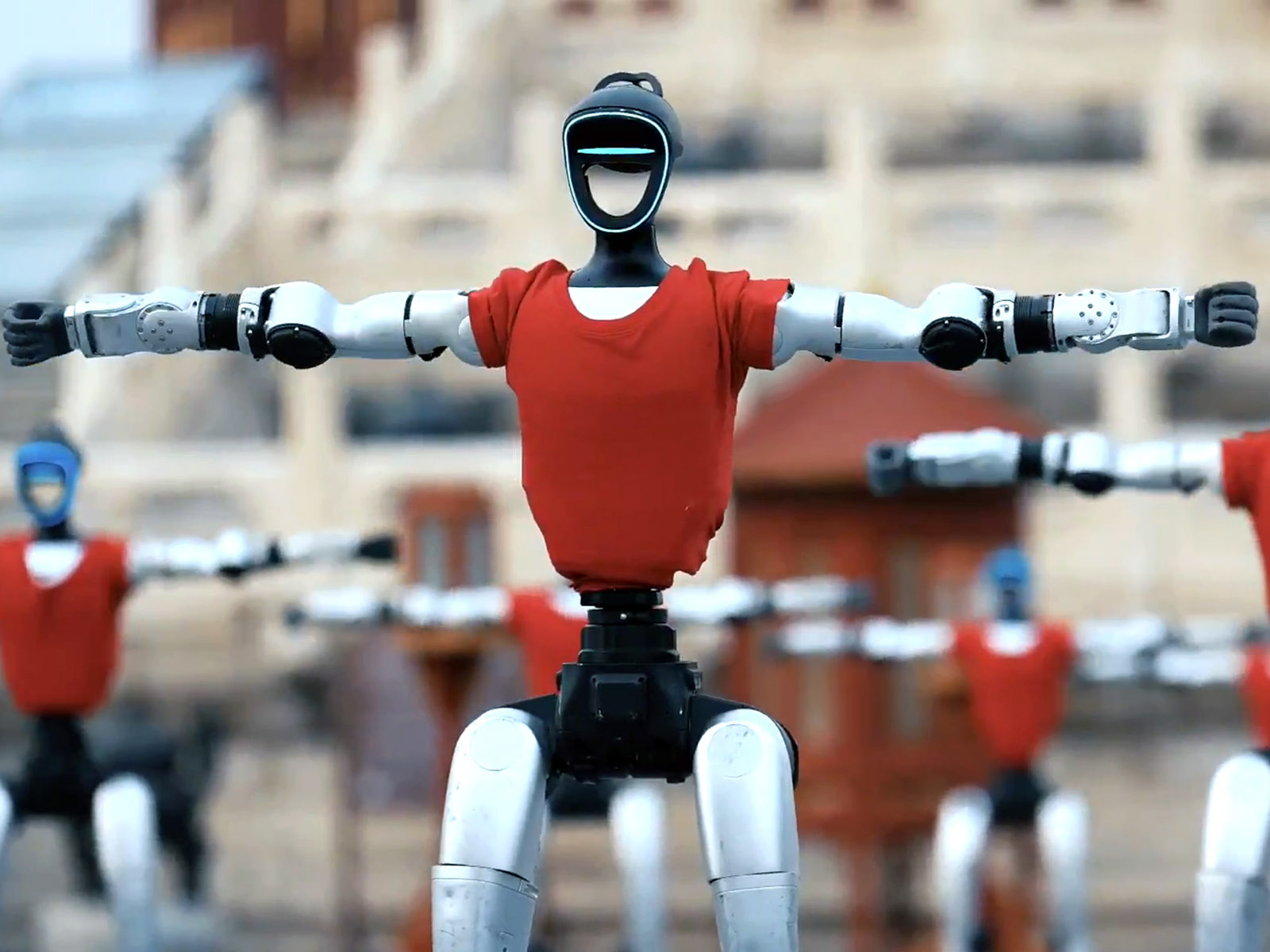
European officials are now looking toward a deeper inspection of China's industrial prowess. A European Parliament delegation, led by committee chairman Bernd Lange, is scheduled to visit China on 27 October to examine the nation’s robotics sector. Lange specifically pointed to Unitree Robotics as a harbinger of future industrial shifts, noting that the firm’s reliance on embodied AI in assembly lines places it at the forefront of the global market. As China solidifies its lead in robotics, the EU—with Germany acting as its primary industrial engine—must weigh the benefits of collaborative innovation against the risks of technological dependency.
Comments (0)
No comments yet. Be the first!