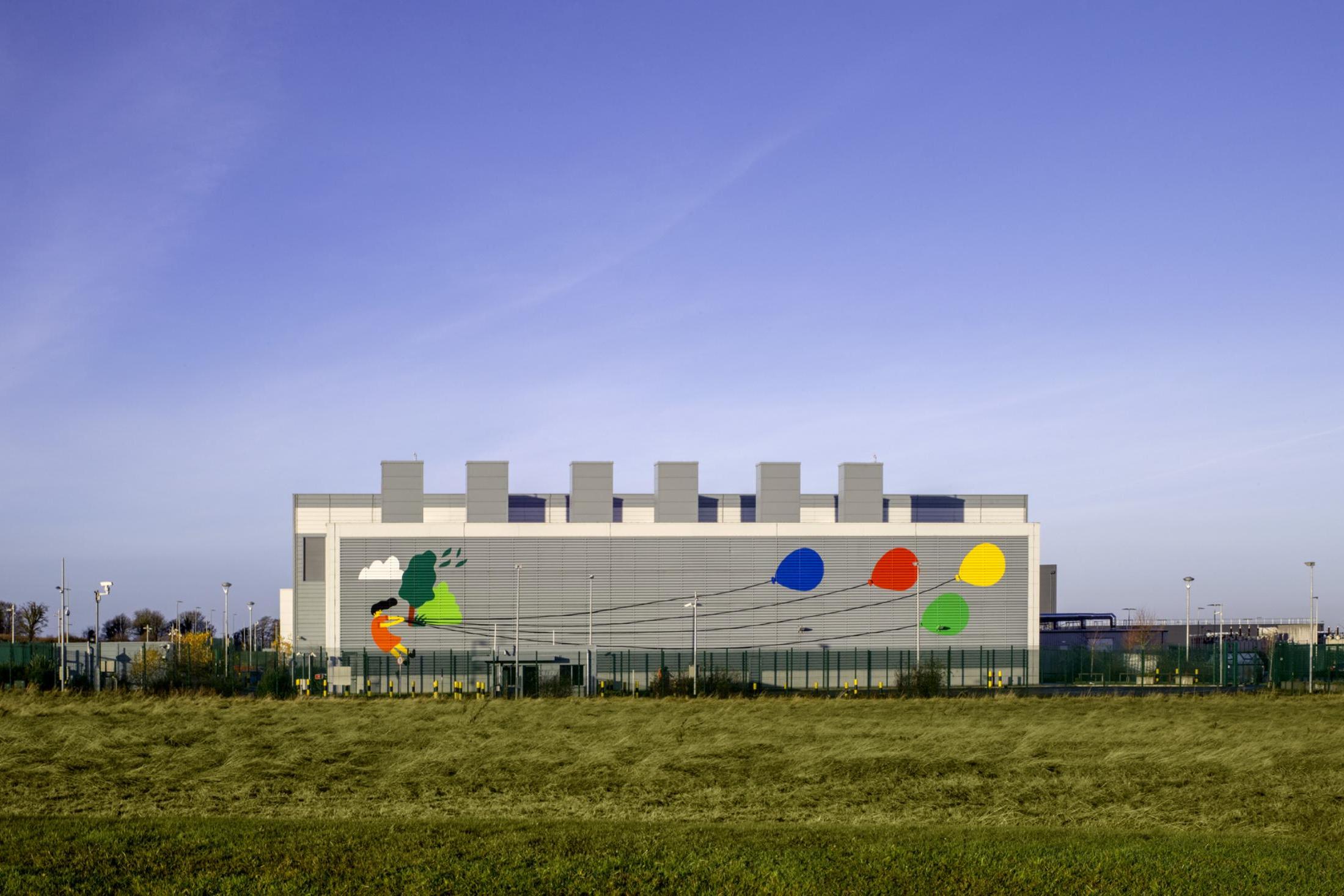
Ireland has become the primary battleground for this transition. At the Grange Castle Business Park in Clondalkin, a substation originally intended to support local housing expansion saw nearly all its capacity diverted to data centers. This trend is repeating across the bloc, with data center energy consumption projected to double by 2030. In Ireland, these facilities already accounted for 23 percent of national electricity demand in 2025, a figure that surges past 50 percent within Dublin itself.
Faced with public pushback and stalled infrastructure, member states are abandoning the traditional first-come, first-served model. Denmark recently implemented a four-tier system that pushes data centers to the back of the queue, prioritizing public interest projects like residential housing and battery storage. Finland and the Netherlands are pursuing similar frameworks, while the European Commission is urging a shift toward prioritizing shovel-ready projects that offer clear societal benefits.
Industry advocates warn that these restrictions could stifle Europe’s competitiveness in the global AI race. Bill Echikson of the Center for European Policy Analysis argues that turning away massive investments during a period of flagging economic growth is short-sighted. Meanwhile, tech giants face increasing pressure to secure their own power sources, such as natural gas or dedicated renewable generation, to avoid grid congestion. As the EU debates the upcoming network charges act, the tension between maintaining digital sovereignty through AI infrastructure and meeting basic domestic needs remains one of the most complex challenges facing the bloc’s energy policy.
Comments (0)
No comments yet. Be the first!