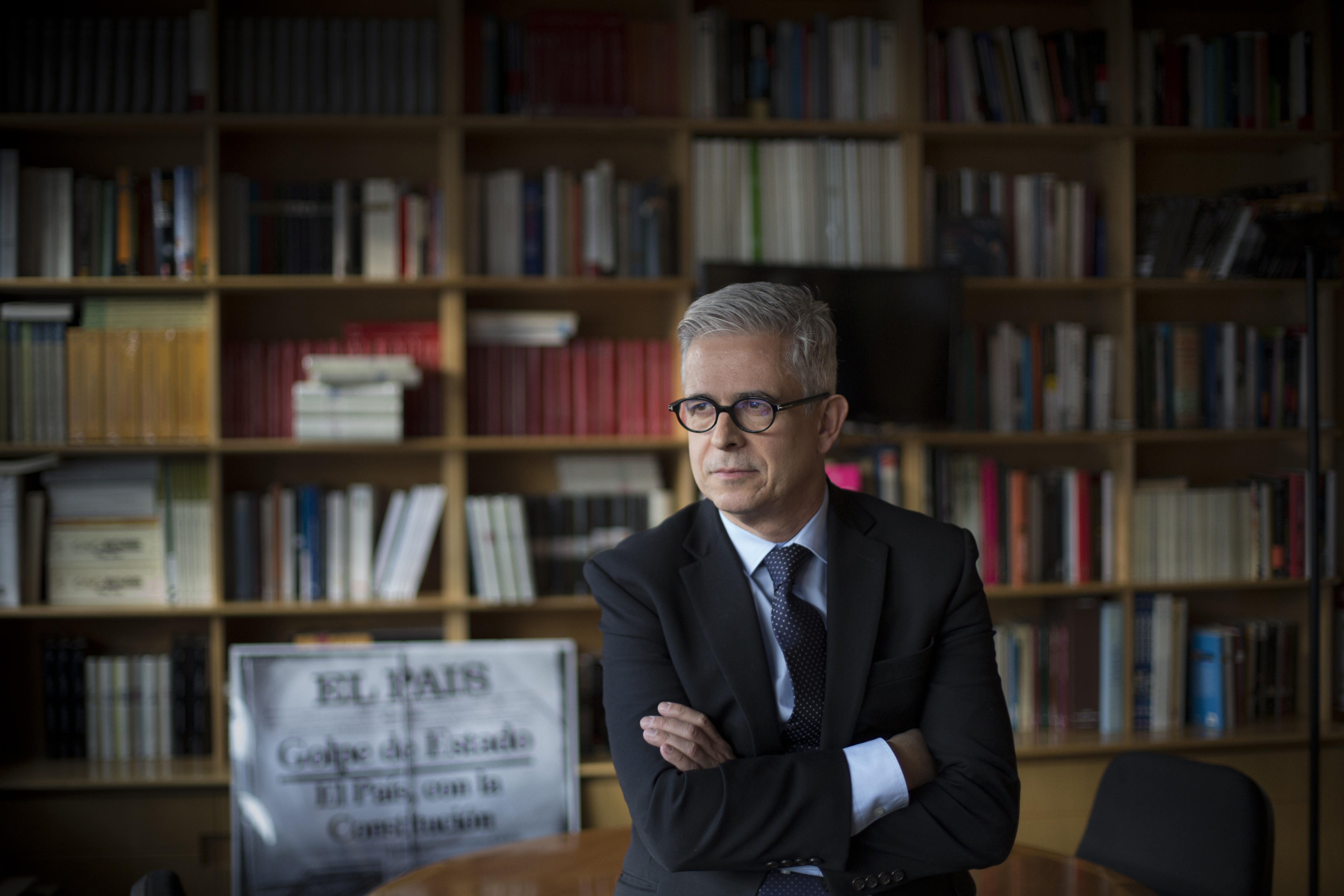
While European capitals remain divided over the formal terminology of an 'associate membership' for Canada, Sánchez argues that political will outweighs treaty constraints. He draws parallels to the creation of the euro and the Schengen Area, noting that institutional evolution often precedes formal legal definitions. For the Spanish lawmaker, the goal is a holistic, horizontal partnership that transcends sector-by-sector cooperation, mirroring the integration levels seen with Switzerland or Iceland.
Ahead of the summit, where Canadian Prime Minister Mark Carney will host European Commission President Ursula von der Leyen, the agenda centers on strategic autonomy. Sánchez highlights a digital trade agreement and cooperation on critical raw materials as immediate priorities, particularly to reduce reliance on Chinese supply chains. He also pointed to Canada’s active interest in joining European programs like Erasmus+ and the Security Action for Europe (SAFE) initiative as evidence of a burgeoning, natural alliance. When asked about the potential for free movement between the two regions, the MEP acknowledged the sensitivity of the topic among EU member states but affirmed that the relationship is trending in that direction.
Comments (0)
No comments yet. Be the first!