The victory of the Student’s List marks a tectonic shift for a nation long dominated by the Serbian Progressive Party (SNS). The movement traces its origins to the aftermath of a November 2024 tragedy in Novi Sad, where a railway station canopy collapse claimed 16 lives. That disaster galvanized a wave of massive, student-led demonstrations that blamed government corruption for the loss of life, eventually coalescing into the political force that secured 140 seats this weekend.
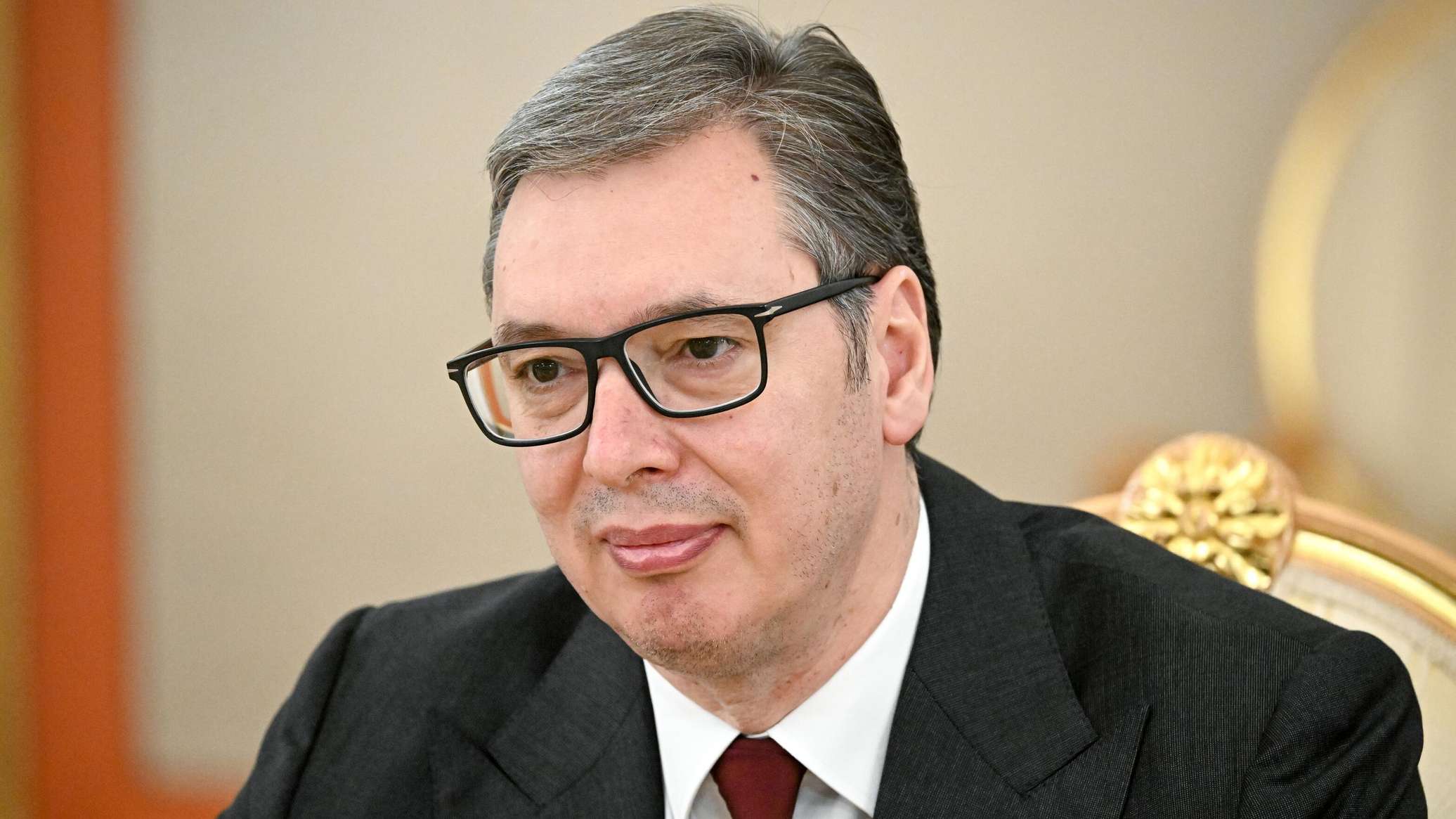
Led by Ilija Srdanović, a professor at the Faculty of Medicine in Novi Sad, the coalition drew support from pro-democracy groups like Kreni-Promeni. By fielding experts and academics rather than traditional career politicians, the movement successfully consolidated an opposition that had previously been crippled by fragmentation. While President Vučić, who held power for over a decade, publicly conceded, he simultaneously framed the results as a foreign-backed revolution, warning of economic instability and risks to gas trade agreements.
Political analysts suggest this rhetoric signals how the SNS plans to operate in opposition. By labeling the victors as a blockade movement rather than a legitimate government, Vučić aims to cast doubt on their ability to manage the state. Despite this, the results stand as a definitive referendum on his governance. With the SNS reduced to 104 seats, the upcoming presidential contest looms as the next major battleground for a country attempting to navigate its path between the European Union, Russia, and China.
Comments (0)
No comments yet. Be the first!