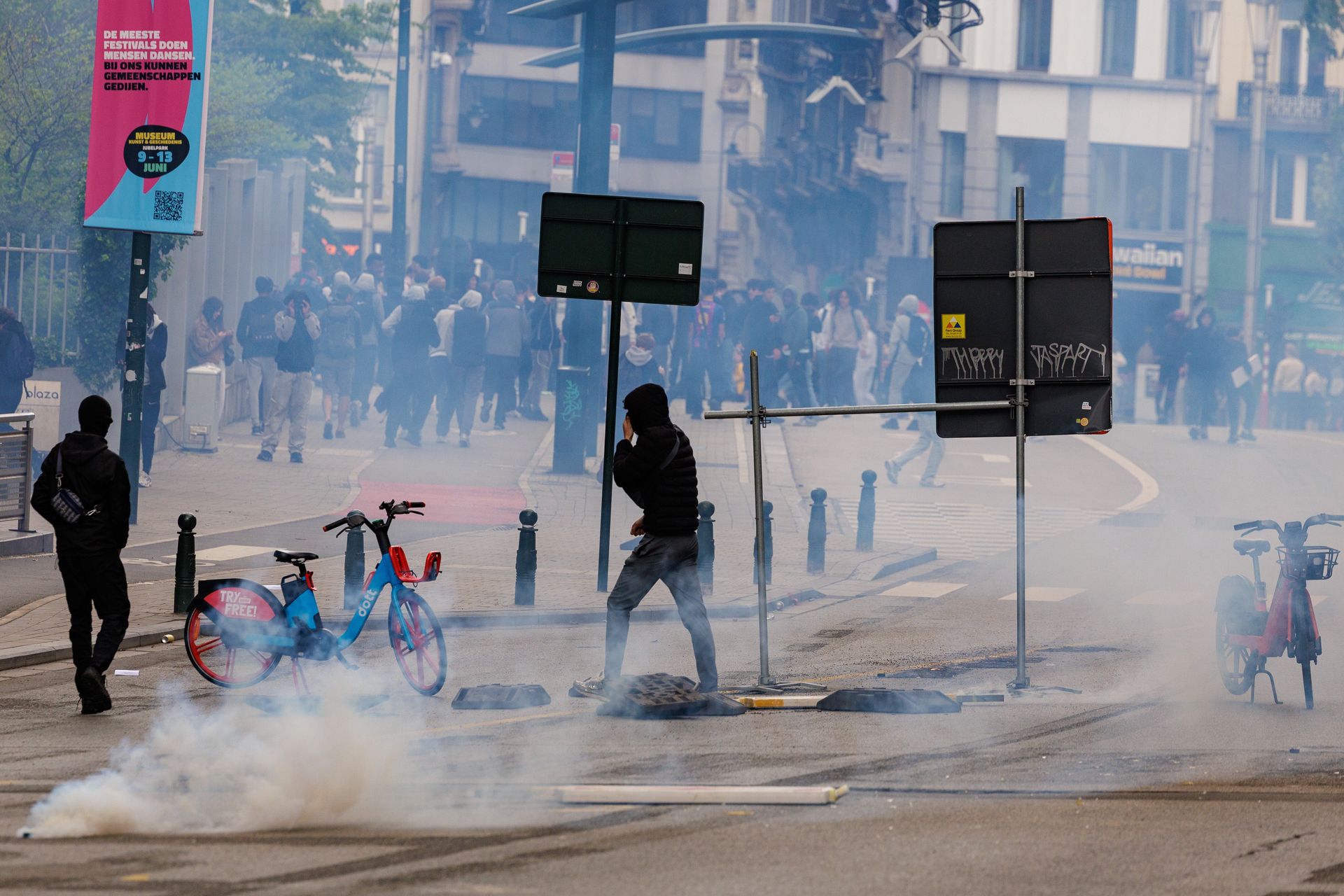
Students are calling for tangible improvements: better teacher-to-student ratios, modernized infrastructure, and an end to admissions systems that entrench class disparities. From Belgium to Greece and Italy, the protests highlight a common thread of economic precarity. Yet, the political response has consistently bypassed these material concerns. In Brussels, leaders including Donald Tusk and representatives from Italy and Denmark have prioritized discussions on securitizing borders, often conflating domestic crime with irregular migration.
This shift in narrative serves a specific purpose. By centering the debate on migration, politicians strip away the economic context of the protests, transforming a cry for justice into a battle of identity. In France, figures such as Marine Le Pen and Jordan Bardella have utilized the unrest to advocate for expanded police powers, while centrists remain largely paralyzed by the political fallout. The result is a cycle where state resources are funneled into defense and rearmament while the social foundations of the future—education and housing—remain underfunded. Relying on military strength while neglecting internal social stability risks hollowing out the very institutions meant to secure Europe’s competitive edge.
Comments (0)
No comments yet. Be the first!