The shift toward a wage-weighted selection process has fundamentally altered the H-1B lottery, moving away from pure randomization. By prioritizing higher salary bands, the current framework disproportionately benefits roles in generative AI and specialized tech sectors. Data scientists and information research scientists have seen a surge in certified applications, as these high-paying fields easily clear the new economic hurdles. According to Catherine Macris of Fragomen, these roles align more readily with updated compliance and compensation requirements, effectively insulating them from the broader decline in visa demand.
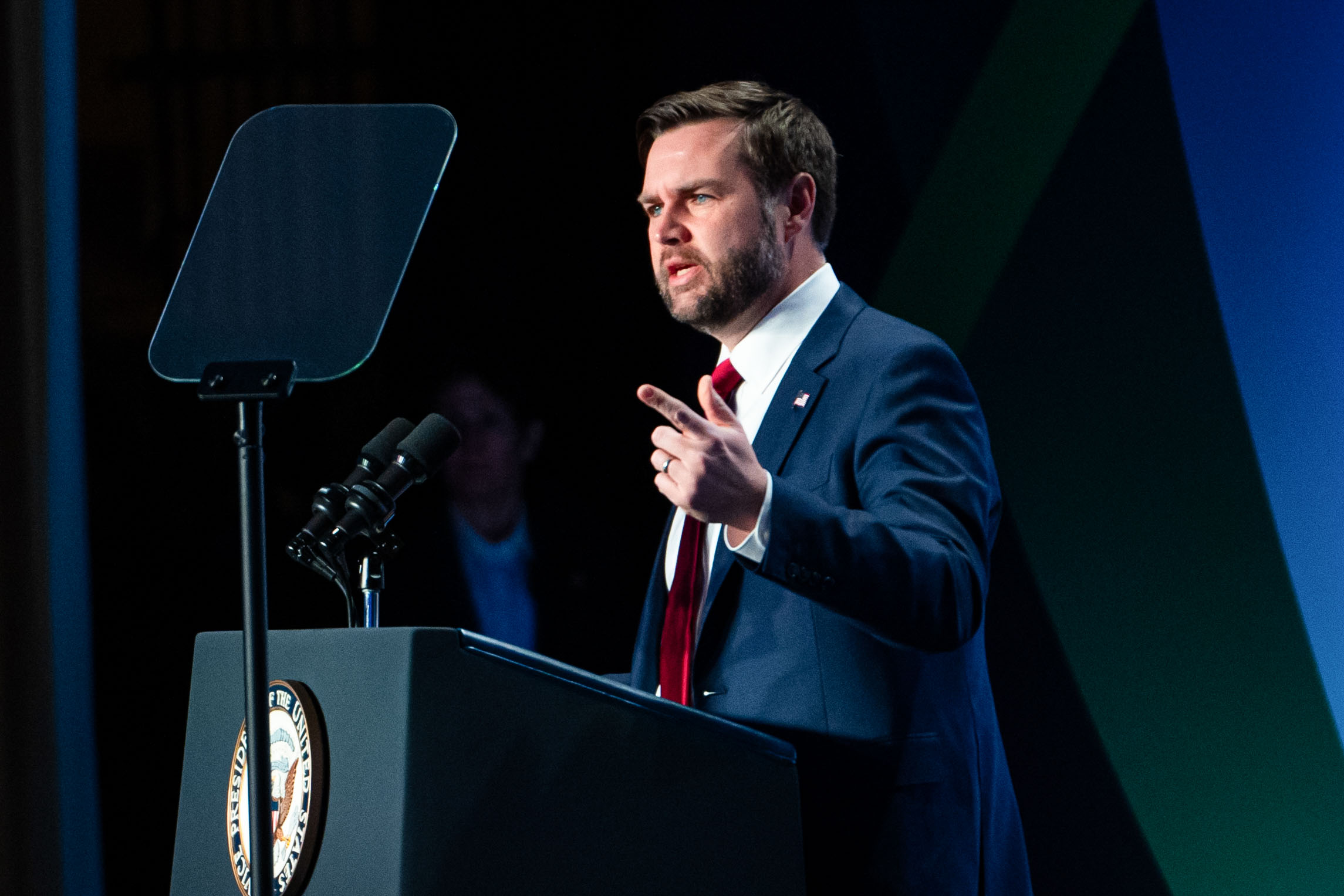
Conversely, the financial barriers have hit smaller startups and outsourcing firms the hardest. The proposed $100,000 fee for new applicants—while currently tied up in legal challenges—has already chilled participation, with total applications for the 2026 cycle dropping by more than 38%. Gaurav Khanna, an associate professor at UC San Diego, notes that while tech titans like Nvidia or Salesforce can absorb these costs, smaller startups are increasingly priced out. Meanwhile, the administration has targeted firms that act as conduits for overseas labor; major outsourcing entities, including Infosys, TCS, and Cognizant, saw their certified applications plummet by 30% year-over-year. As Vice President JD Vance recently argued, the government is intensifying its focus on these firms to prevent what it characterizes as visa fraud, leaving recent graduates and entry-level professionals to face an increasingly restrictive path into the U.S. workforce.
Comments (0)
No comments yet. Be the first!