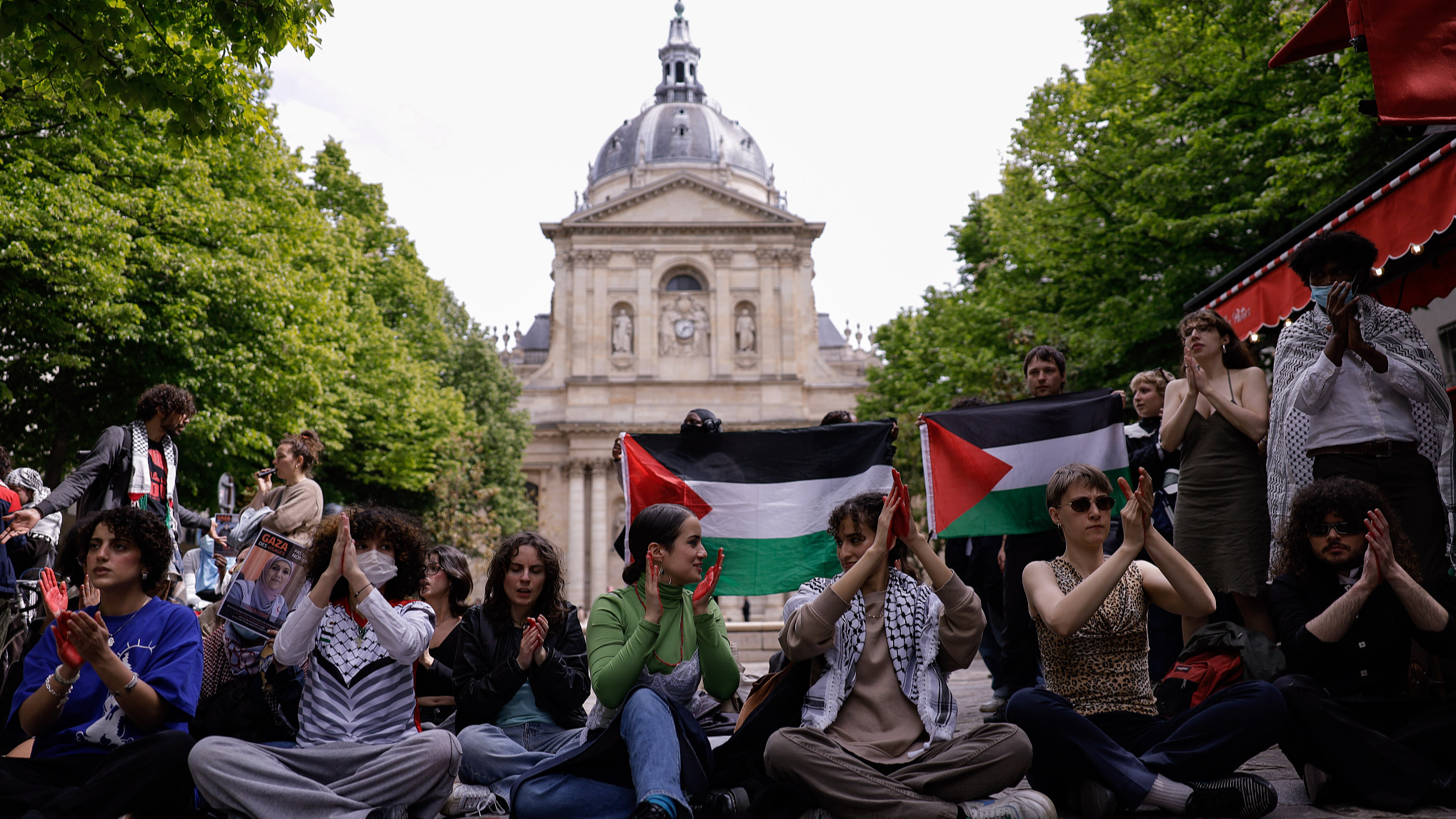
The movement gained momentum after a sweltering June exposed the poor state of school facilities, where temperatures frequently climbed above 35 degrees without adequate ventilation. Beyond the physical decay, students are grappling with a systemic failure to replace absent teachers—an issue underscored by a recent PISA report where 87% of students and administrators confirmed that staffing gaps have crippled the quality of instruction.
Despite official claims that the movement is a calculated orchestration by the LFI, analysts like sociologist Laelia Benoit warn against infantilizing the protesters. Dismissing student grievances as mere political manipulation ignores legitimate demands for better housing grants, affordable meals, and comprehensive building renovations.
Prime Minister Sébastien Lecornu has countered by launching an online platform to collect student demands, reporting 40,000 submissions to date. Alongside a proposed €1 billion increase to the education budget, the government has outlined five priority areas for reform, including timetabling shifts and overhauling university admissions. For now, the administration’s strategy remains a push for dialogue via digital portals, leaving it unclear whether these commitments will address the immediate anger on the streets.
Comments (0)
No comments yet. Be the first!