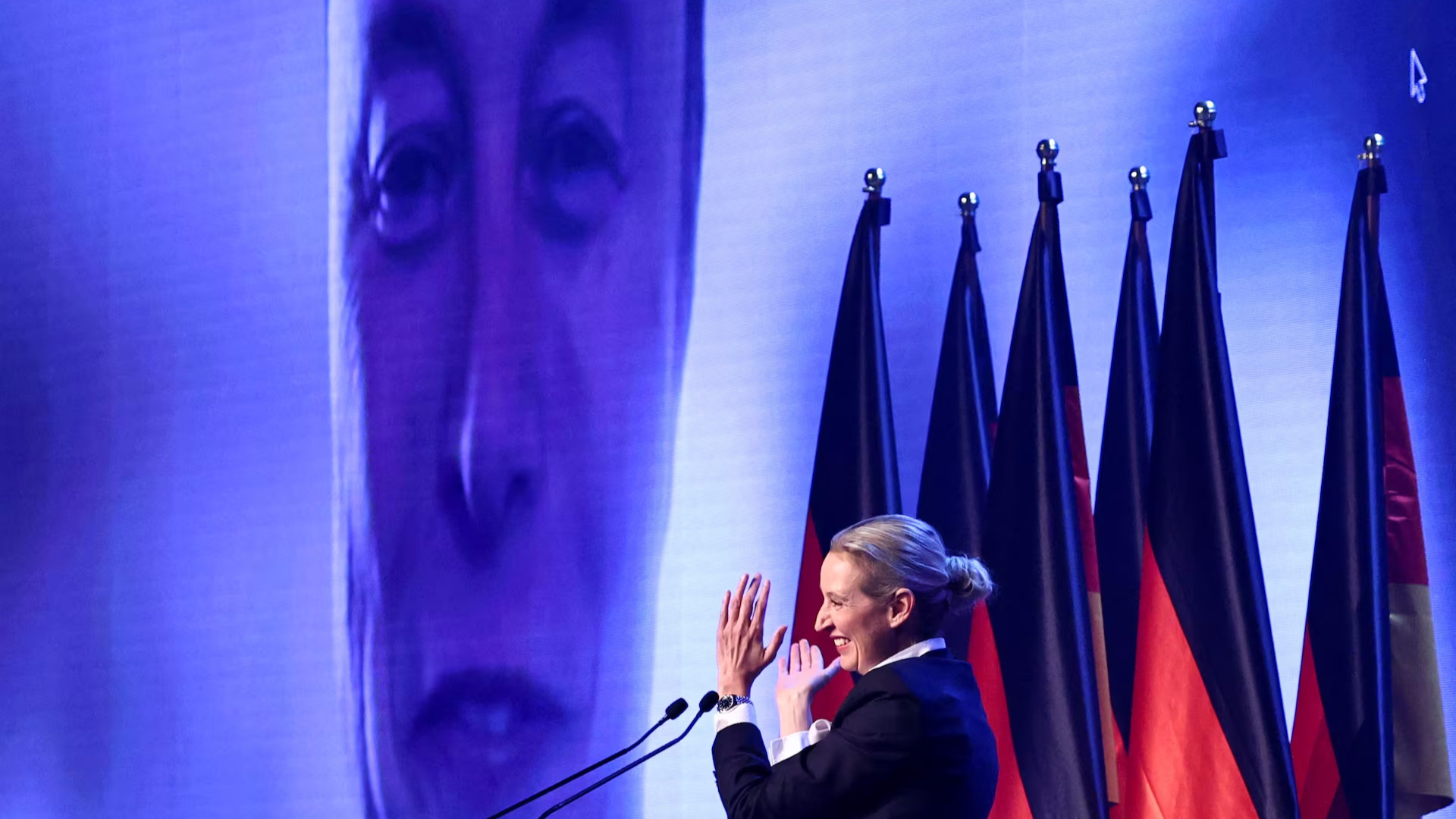
In France, Marine Le Pen finds herself in a delicate position. While the AfD’s success confirms that anti-establishment sentiment remains a potent force, she remains notably silent on the German outcome. Her party, the National Rally, understands that the AfD’s radicalism—including ties to Putin and echoes of a Nazi past—could alienate the moderate, affluent voters Le Pen needs to secure a presidential runoff. Despite her polling lead of 13 to 15 percentage points, her inner circle fears the German results may inadvertently trigger alarm bells among the French electorate.
Italy offers a distinct variation on this theme. Prime Minister Giorgia Meloni faces pressure from the newly formed National Future party, led by former general Roberto Vannacci. Polling at 8%, the party is siphoning support from the populist right by positioning itself as an untainted alternative to the governing coalition. Unlike the AfD, which seeks to displace the establishment, Vannacci’s movement is more likely to force its way into a coalition, potentially acting as a radical anchor for Meloni. While the AfD and National Future draw from the same well of voter frustration, their trajectories remain tethered to the specific historical and systemic constraints of their respective nations.
Comments (0)
No comments yet. Be the first!