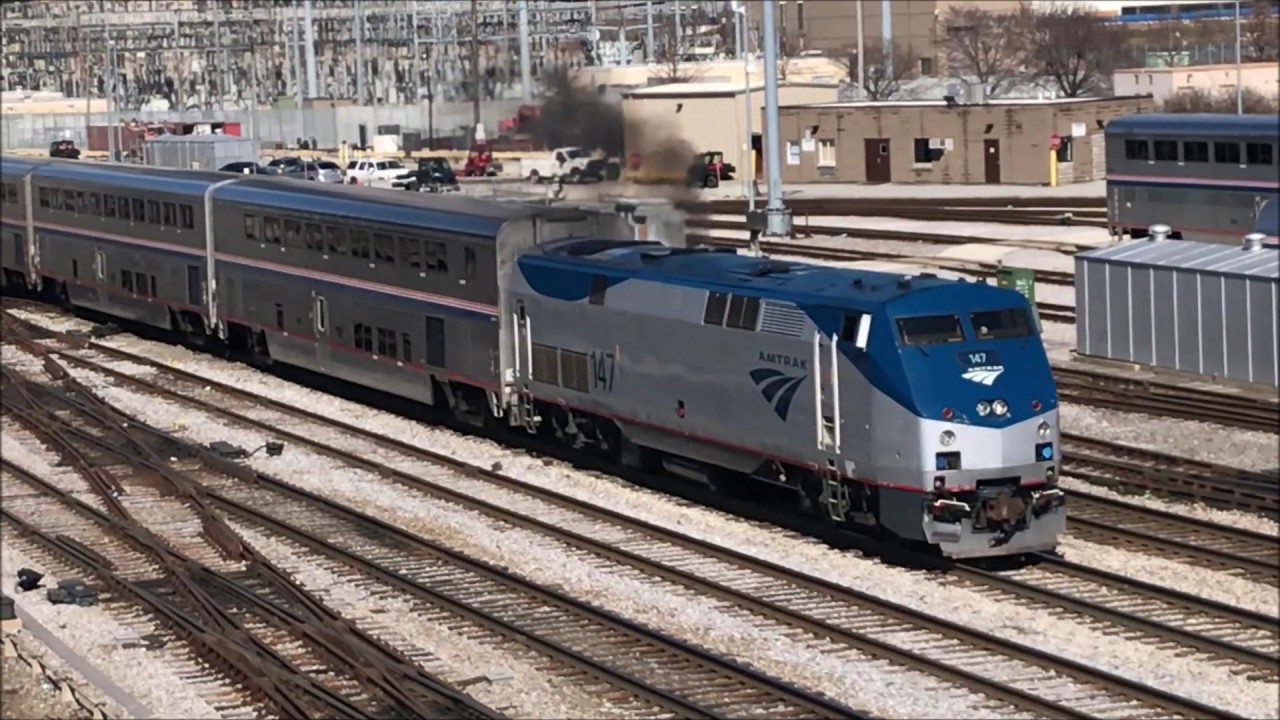
Sullivan’s decision to bridge the gap between a career-defining role in academic publishing and her established life in New York relies on precise logistics. By booking Amtrak tickets five to six weeks in advance, she keeps travel costs to approximately $100 round trip. Staying with family in Northern Virginia during her mid-week office days allows her to avoid the exhaustion of daily travel, making the $400 monthly transit investment a sustainable choice for her career trajectory.
The commute serves as a forced environment for deep work. While many view long-distance travel as lost time, Sullivan uses the quiet hours aboard the Acela or Northeast Regional to complete freelance assignments via a mobile hotspot. This creates a distinct separation between her 9-to-5 responsibilities and her creative side projects, effectively shielding her evenings from the burnout typically associated with dual-role employment. By the time she arrives at her D.C. office, she has already cleared her inbox and finalized invoices.
This lifestyle offers more than just professional utility. Spending time in the capital allows for consistent connection with her parents and the suburban comforts of Virginia, while her return to New York by Thursday morning preserves her social circle and city routine. Far from an anomaly, Sullivan has found that the Northeast Corridor is populated by others managing similar cross-state schedules, proving that unconventional work-life balances are increasingly common for those chasing specific professional opportunities.
Comments (0)
No comments yet. Be the first!