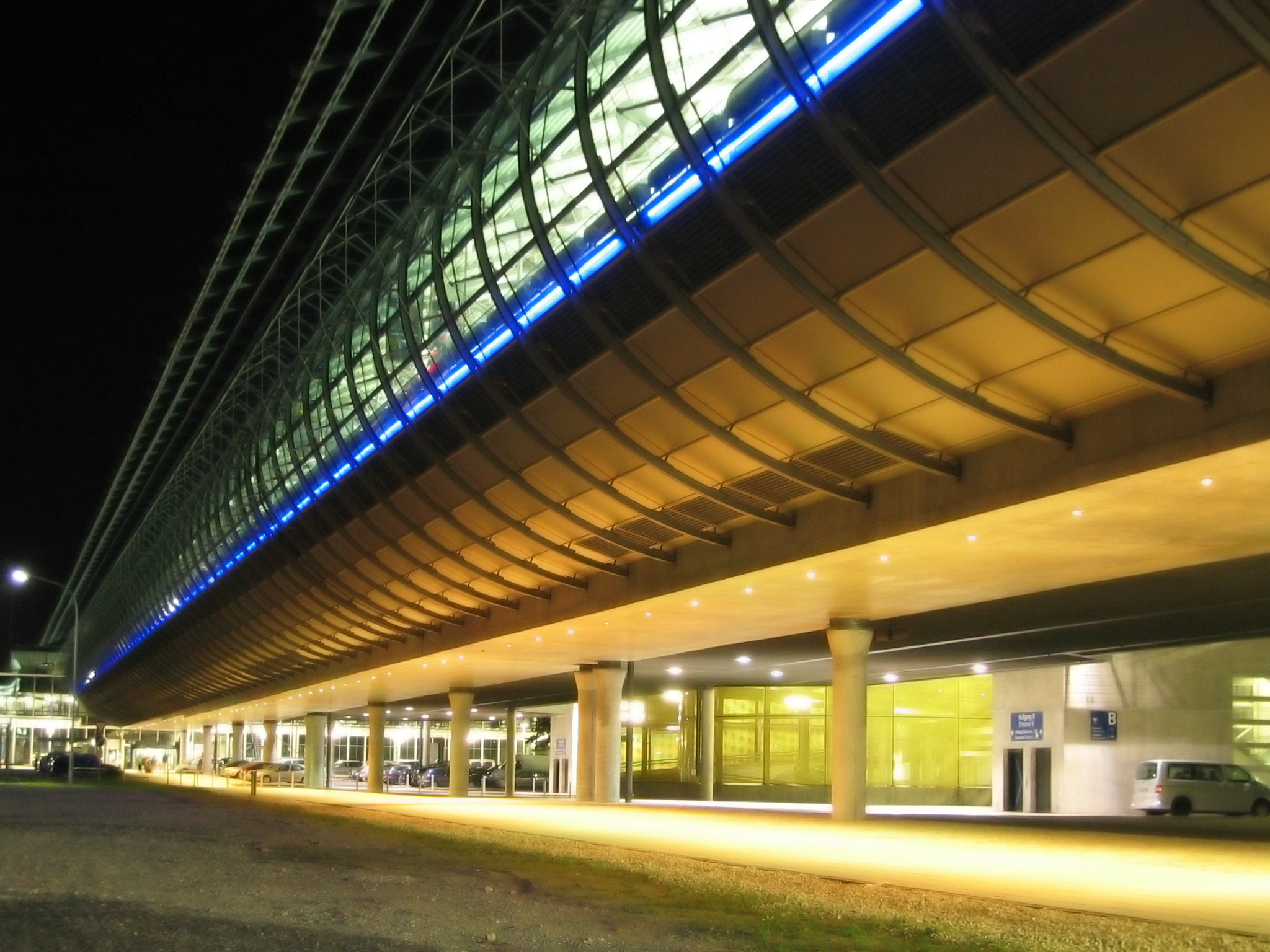
The discovery of military-grade explosives at Leipzig airport—which narrowly avoided a catastrophic detonation—has forced a shift in Berlin’s public posture. For years, the German government navigated these incidents with cryptic references to anonymous foreign actors. According to Lange, a former Bundeswehr official, this hesitation allowed a pattern of arson, power grid tampering, and intelligence operations to flourish under the guise of ambiguity. Interior Minister Alexander Dobrindt’s recent decision to explicitly link these events to Russia marks a departure from that reticence, framing the attacks as a cohesive system rather than isolated failures.
Despite the newfound clarity in rhetoric, deep-seated anxieties remain within the German political establishment. Lange contends that the obsession with avoiding escalation is misplaced, as it ignores the reality that these acts constitute direct aggression. From the Kremlin's perspective, the use of arson against arms manufacturers in Munich or drone plots is merely standard procedure in a broader conflict. As similar patterns emerge across the Baltic states, Poland, and Denmark, the challenge for Germany is no longer just identifying the adversary, but overcoming a culture of fear that has historically crippled its ability to respond decisively to state-sponsored sabotage.
Comments (0)
No comments yet. Be the first!