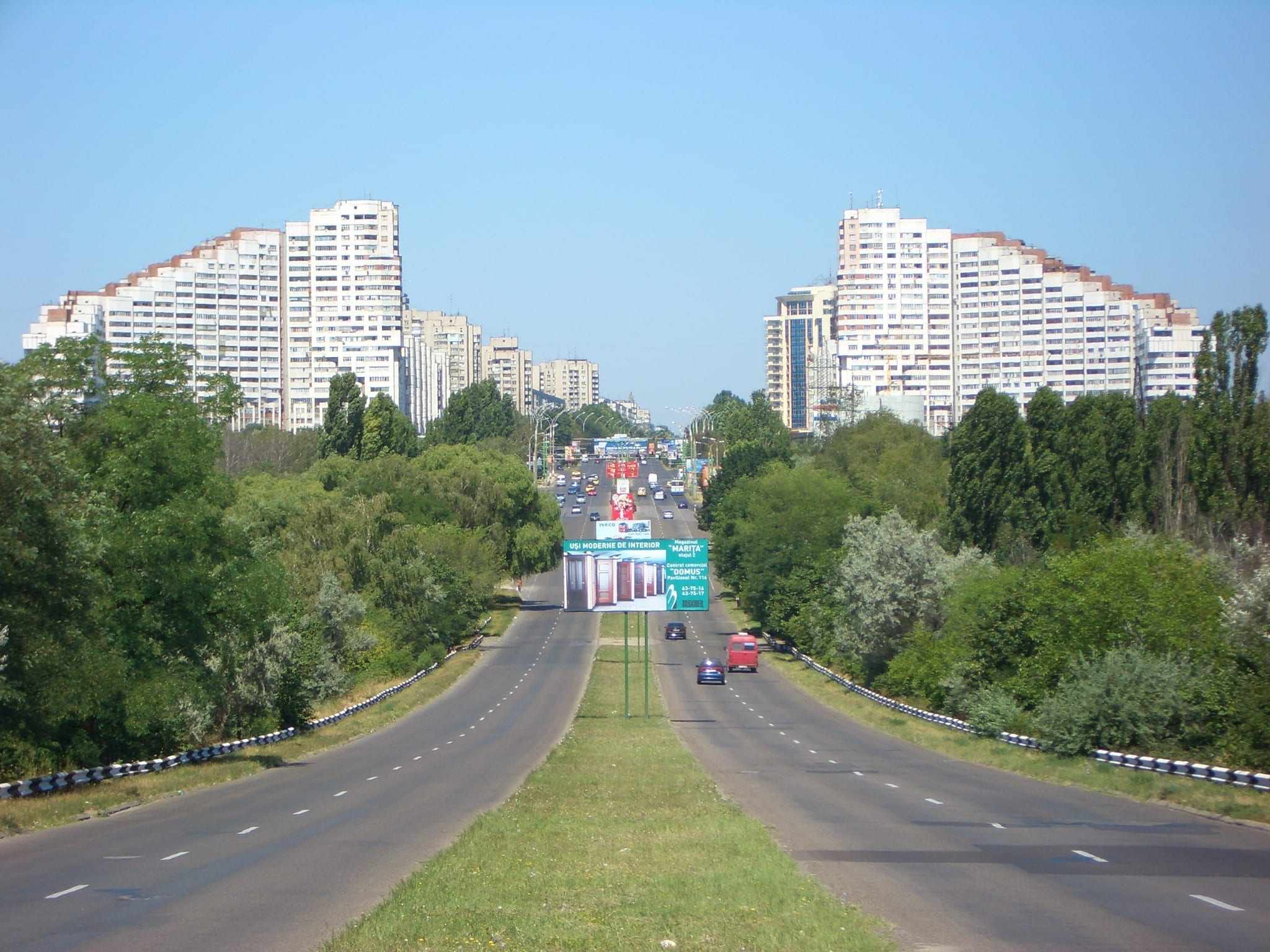
The demographic collapse is stark: since 1991, the population has plummeted from 4.5 million to fewer than 3 million. This exodus has hollowed out the social fabric, leaving behind an aging society where even basic traditions, like finding enough men to dig a grave, have become logistical challenges. For decades, the country served as a labor pool for Russia and later Western Europe, with the 2014 banking scandal and systemic corruption further driving the exodus of the nation's brightest minds.
Today, the political landscape is inextricably linked to those who left. The diaspora, numbering roughly one million, has become a decisive force in domestic elections, consistently tilting the scales toward pro-European parties like Maia Sandu’s PAS. Yet, for those who remained, the "Wild West" atmosphere persists. While the government pushes for EU accession by 2030, the challenge lies in reversing a cycle where success is still synonymous with leaving. As professionals like Vlada Ciobanu note, the expectation to earn degrees abroad was long seen as a survival strategy, not an option. For the current leadership, the task is no longer just about winning votes from afar, but creating an economy that can finally retain its own people.
Comments (0)
No comments yet. Be the first!