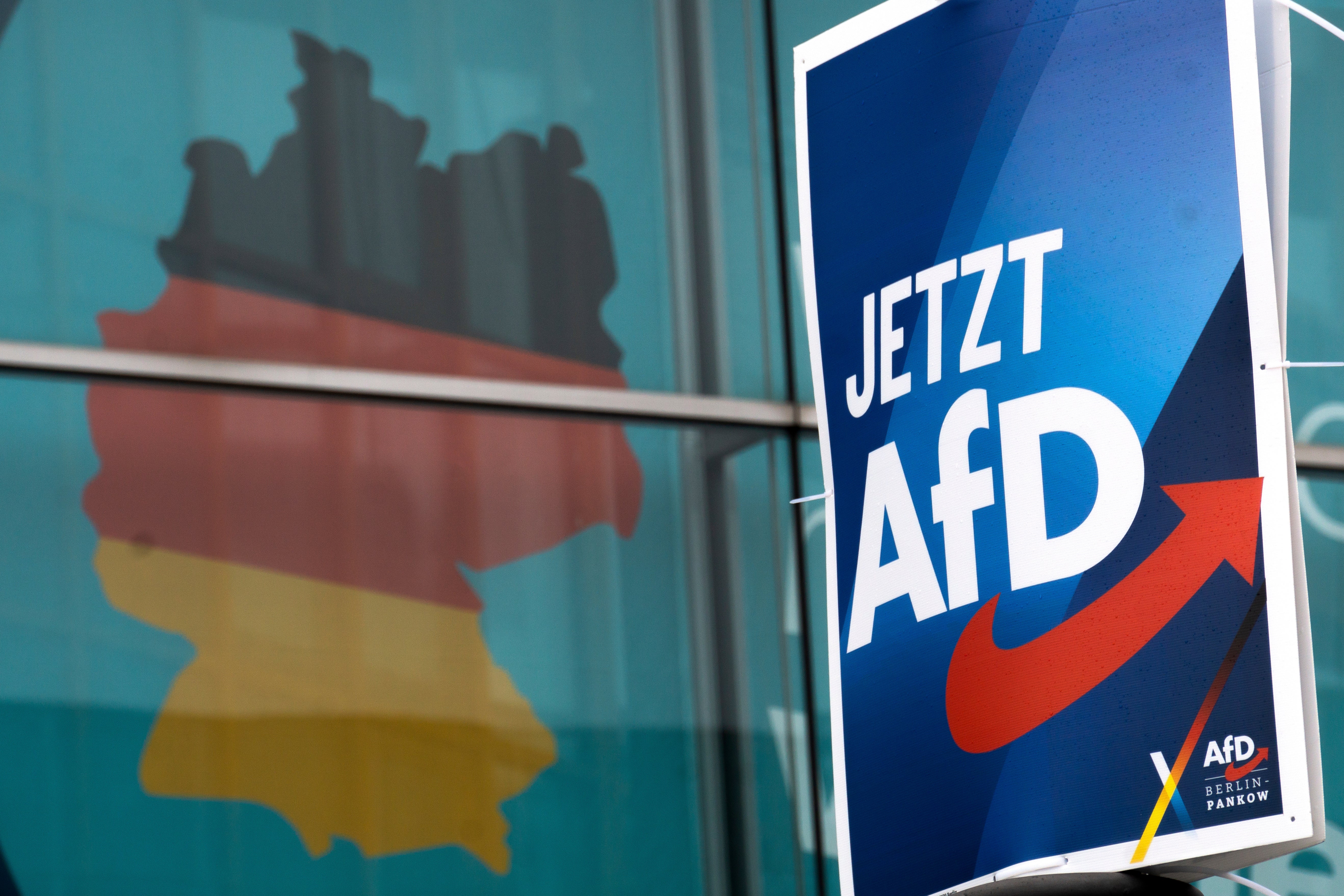
This polarized structure turns democracy into a zero-sum game, which favors challengers who thrive on anti-establishment sentiment. When voters are told the choice is between a singular 'liberal' tent and their opposition, they naturally gravitate toward the side promising to disrupt the status quo. The Alternative for Germany (AfD), for instance, leverages this by branding all other parties as a monolithic 'uniparty,' effectively neutralizing the traditional competition that democracy requires to function. Even the concept of 'liberal democracy' has been weaponized; by defining the system this way, mainstream actors have allowed leaders like Viktor Orbán to claim they are simply championing a different, equally valid form of democracy, rather than dismantling the foundations of pluralism.
To break this cycle, the focus must shift from forced unity under a broad liberal banner toward the protection of diverse political spheres. A healthy system relies on distinct, competing tents where power remains reversible and majorities are constrained by clear, non-ideological red lines. Institutions like the Council of Europe often fail here, prioritizing risk management over the promotion of genuine pluralism. The threat posed by parties like the AfD or the tactics used by the Trump administration in the United States does not stem from conservative policy goals, but from the systemic rejection of the rules of the game. True democratic resilience requires defending the space for choice, rather than policing the ideological boundaries of the players within it.
Comments (0)
No comments yet. Be the first!