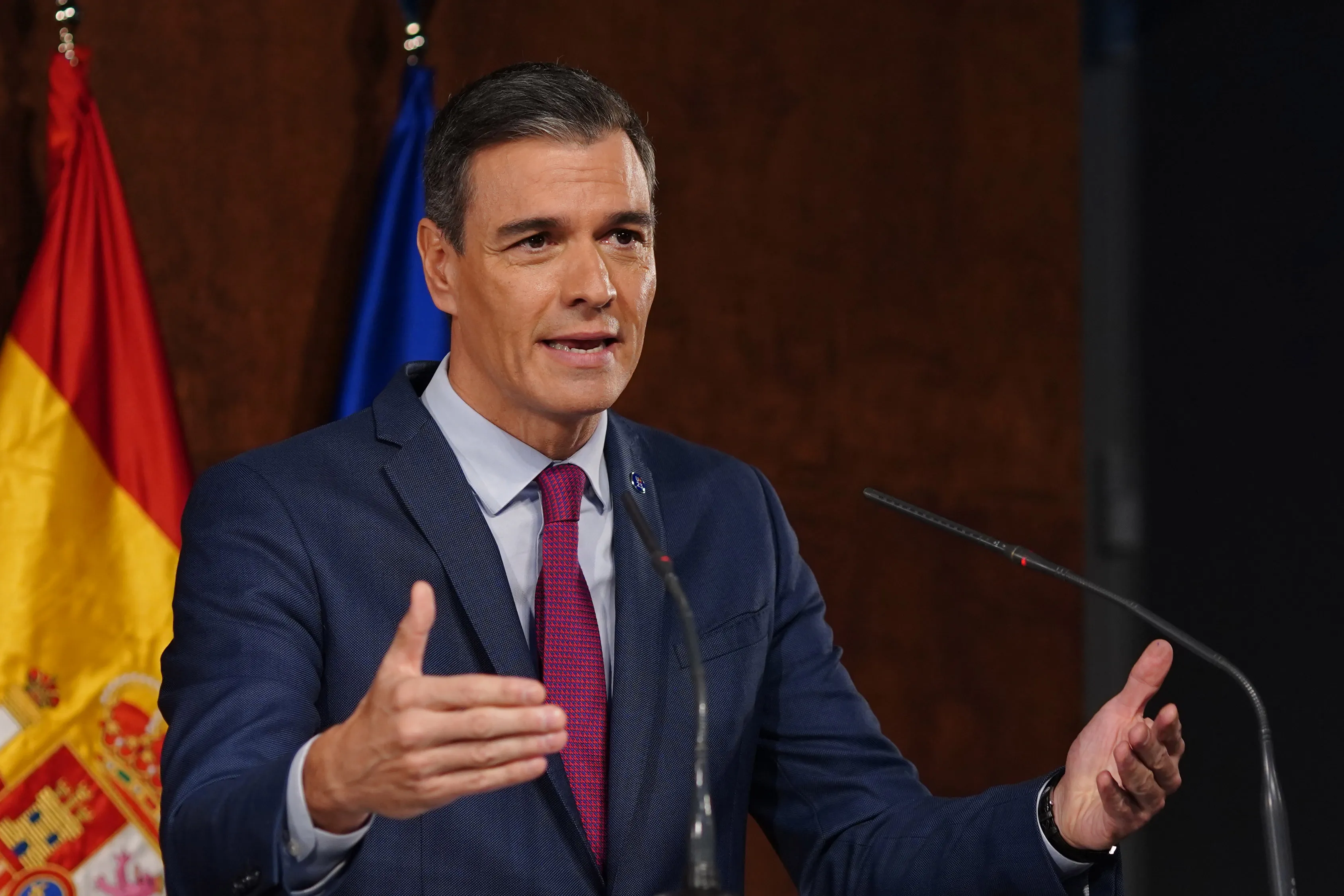
While Spain’s economy outpaces most eurozone peers, boasting growth and a declining public debt ratio of 101 percent, these macroeconomic successes are eclipsed by a series of scandals. Investigations into his inner circle, ranging from influence peddling to contract irregularities, have eroded voter trust despite his popularity on specific issues like the conflict in the Middle East. Nearly 70 percent of Spaniards support his current foreign policy, yet his parliamentary foundation remains brittle.
Sánchez currently navigates a coalition government that lost the crucial support of the Catalan party Junts last year. Standing in opposition, the conservative People's Party (PP) remains a potent threat, especially if they can successfully court a partnership with the far-right Vox. To break this deadlock, some analysts suggest radical gambits, such as a national referendum on the future of the Spanish monarchy. For now, the Prime Minister remains on the defensive, dismissing judicial probes as politically motivated attacks while struggling to keep his coalition from fracturing under the weight of mounting legal controversies.
Comments (0)
No comments yet. Be the first!