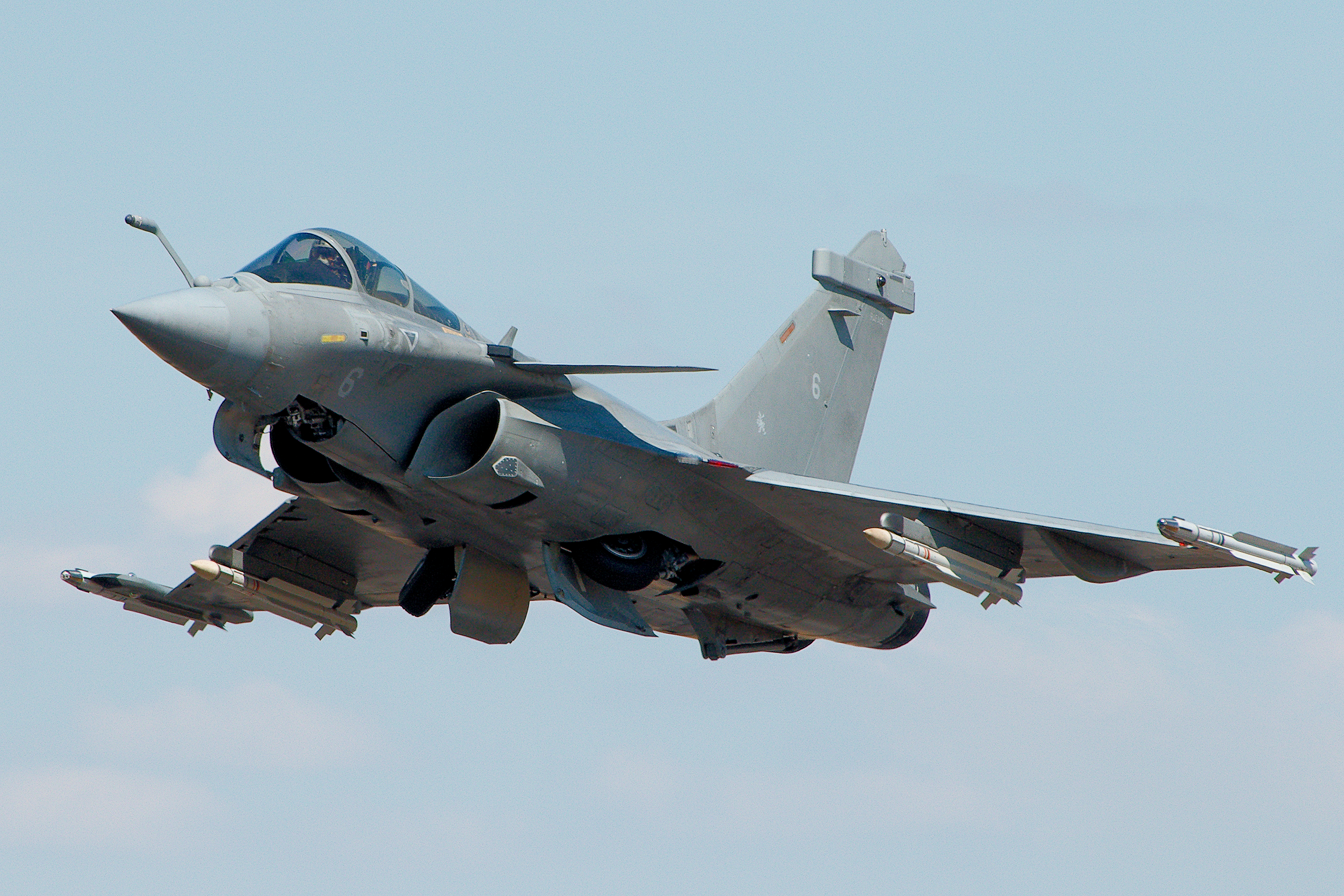
The transition to a unified Western fleet involves a complex mix of F-16s, Swedish Gripens, and the sophisticated French Rafales. While the current inventory remains a logistical challenge, the Rafale F4 stands out as the most potent asset in Ukraine's future arsenal. Equipped with AESA-class radar and long-range Meteor missiles capable of striking targets beyond 200 km, these aircraft are designed to force a change in Russian tactical behavior. However, their scarcity means they will not immediately dominate the skies; their success depends heavily on the precision of intelligence and the quality of integration with ground-based air defenses.
Simultaneously, domestic instability complicates the strategic picture. The recent government reshuffle and the departure of former defense minister Mykhailo Fedorov have provided a rare morale boost for Russian observers, who view the internal friction as a sign of potential administrative chaos. While front-line skirmishes near the border village of Kozacha Lopan and the Kramatorsk sector continue to serve as local pressure points, the broader conflict remains defined by Ukraine's relentless drone campaign against Russian naval assets and the ongoing investigation into the catastrophic ammunition depot explosion in Vyshneve. As both sides trade strikes, the reliance on specialized, high-tech weaponry continues to redefine the nature of the engagement.
Comments (0)
No comments yet. Be the first!