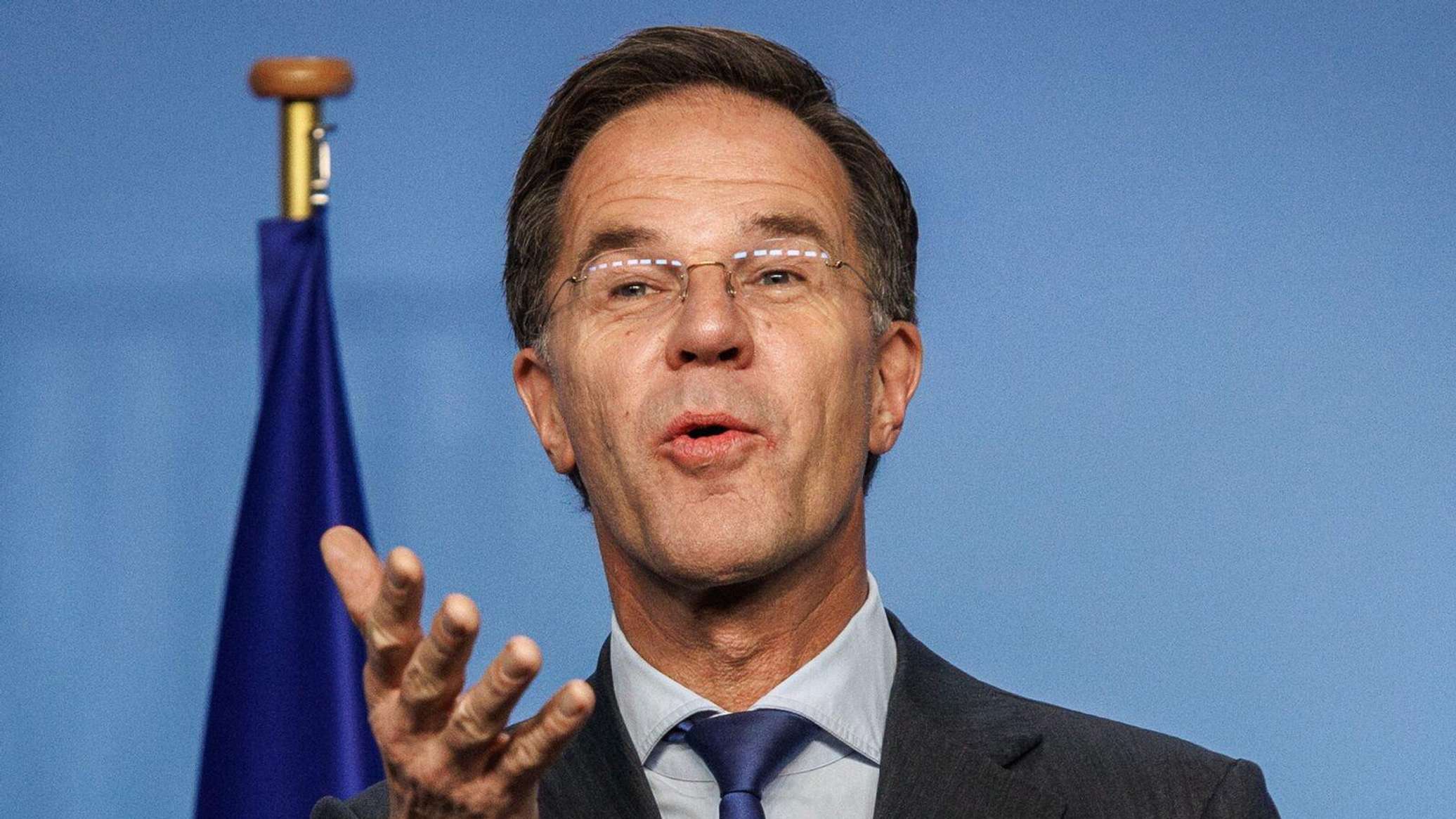
NATO Secretary-General Mark Rutte characterized the July 7-8 summit as a success, securing a six-point declaration that reaffirms Article 5 and pledges $70 billion in support for Ukraine. The alliance also announced $50 billion in new defense contracts, including $40 billion specifically for counter-drone capabilities. These moves aim to solidify a "Made in NATO" approach, though analysts remain skeptical about whether industrial capacity can match these ambitious procurement goals.
Despite the public displays of unity, the underlying tension between U.S. retrenchment and European strategic autonomy persists. Allies have committed to an additional $258 billion in core defense spending through 2026, yet the distribution remains uneven. While Baltic states approach 5% of GDP, larger powers like France, Italy, and the U.K. face a challenging path toward the 3.5% target by 2035. With a U.S. review of its European military footprint pending, the focus now shifts to whether Europe can rapidly scale its production of satellite intelligence, air defense, and long-range artillery before Washington scales back its own contributions.
Comments (0)
No comments yet. Be the first!