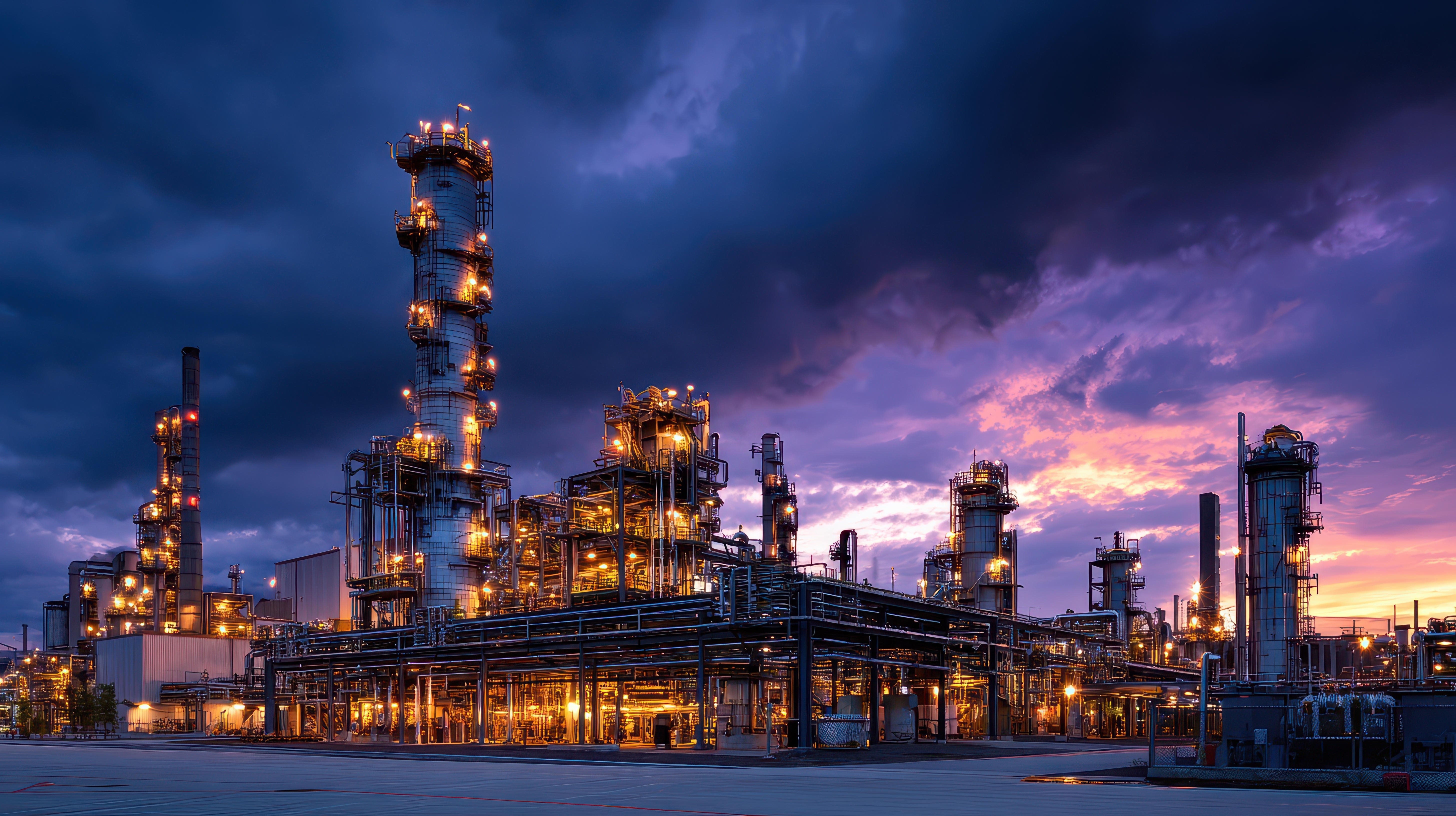
Launched at the Chemelot industrial park in Limburg, the alliance was intended to identify molecules vital to the European economy. Instead, investigative findings from the Corporate Europe Observatory and the European Environmental Bureau show a steering board dominated by corporate interests, including the European Chemical Industry Council. Industry representatives currently chair or vice-chair three of the four working groups responsible for drafting policy.
This structural capture allows companies like BASF, INEOS, and TotalEnergies to determine the eligibility of their own products for state support. Under an industry-designed methodology, approximately two-thirds of sampled molecules were classified as critical, including hazardous substances like benzene and precursors to PFAS. Critics argue this process ignores the sector’s history of prioritizing shareholder dividends over facility upgrades, with the industry having distributed three-quarters of its 322 billion euro net profits to investors between 2010 and 2023.
The European Ombudsman is now investigating similar 'Reality Check' consultations that grant large businesses exclusive access to shape deregulation agendas. In response, a coalition of thirty civil society organizations has demanded that the Commission either fundamentally reform the alliance or shutter it, insisting that future funding be tied to strict detoxification requirements rather than corporate convenience.
Comments (0)
No comments yet. Be the first!