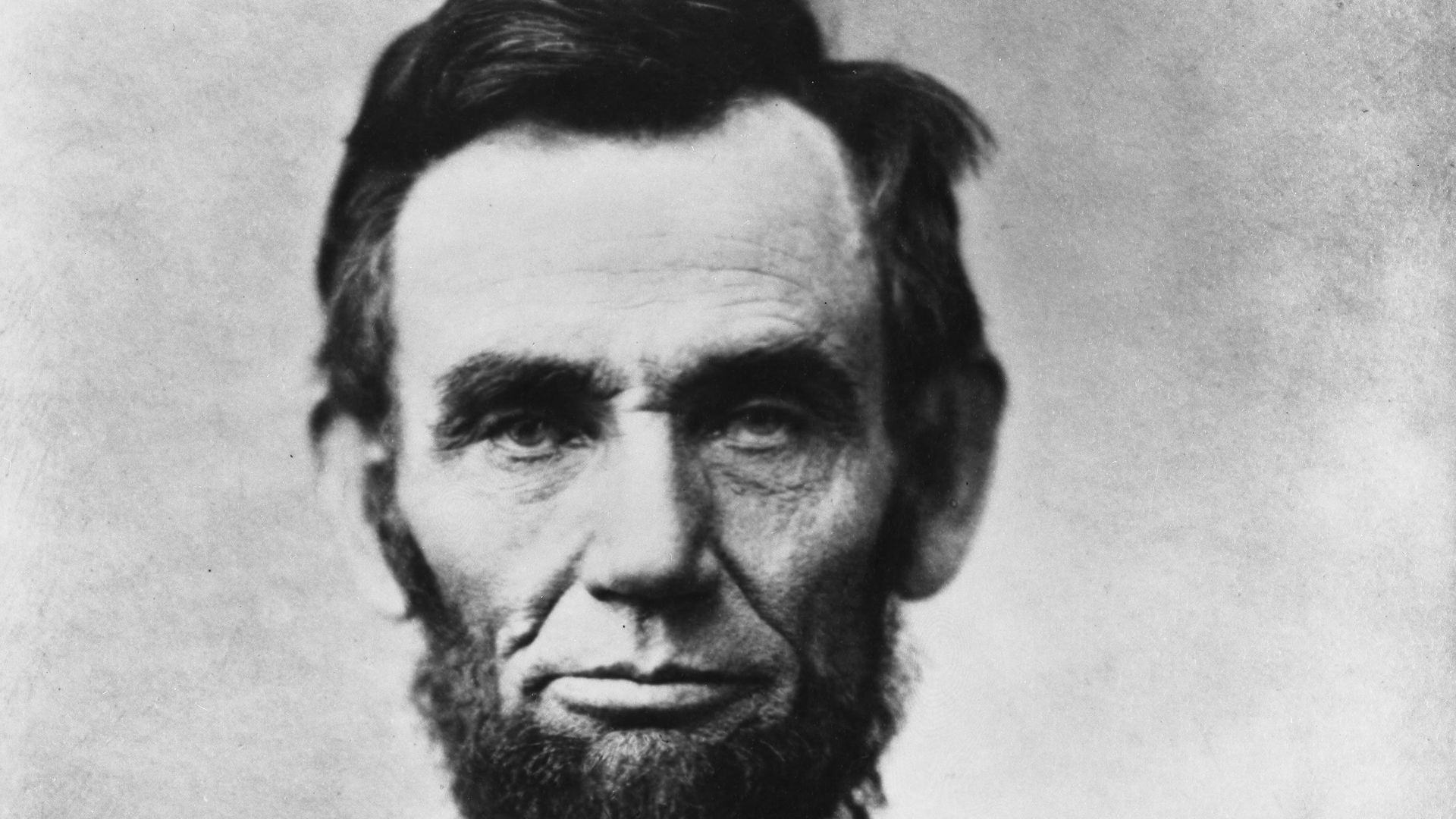
Abraham Lincoln’s early life included a stint as a postmaster in New Salem, Illinois, where he took the initiative to hand-deliver mail to residents who failed to collect it. Similarly, Andrew Johnson spent his youth as a tailor in Greeneville, Tennessee, a trade he credited with teaching him the value of punctuality and precision. Other leaders navigated more unconventional roles: Grover Cleveland served as the sheriff of Erie County, New York, where he was tasked with overseeing local executions, while Herbert Hoover spent three years as a mining engineer in China.
The academic and media sectors also provided a training ground for future commanders-in-chief. Woodrow Wilson served as the president of Princeton University for eight years, a tenure that would eventually be scrutinized for his racial policies. In the media sphere, Warren Harding transformed the failing Marion Star into a success, while Ronald Reagan spent nearly a decade as the face of the General Electric Theater. John F. Kennedy briefly worked as a foreign correspondent for Hearst Newspapers, covering the Potsdam Conference, and Donald Trump built a public profile hosting the reality series The Apprentice.
Agricultural roots remained a recurring theme for many. Jimmy Carter managed his family’s peanut farm in Georgia, and Harry Truman took on the operation of his family’s farm in Grandview, Missouri, after a stint in banking. Meanwhile, some presidents leveraged specialized professional skills: Barack Obama practiced as a civil rights lawyer in Chicago, focusing on voting rights, and George H.W. Bush co-founded the Zapata Petroleum Corporation. These varied experiences—ranging from Lyndon B. Johnson’s year spent teaching impoverished students in Texas to Dwight Eisenhower’s command of Allied forces—illustrate the disparate backgrounds that have shaped the American executive office.
Comments (0)
No comments yet. Be the first!